Is the Wild Coast Safe for Tourists? An Honest Guide
The Wild Coast has a reputation for being remote and off the beaten track, which leads many travellers to ask whether it's safe. Here's an honest answer from people who live here.
 Allan Hein9 February 2026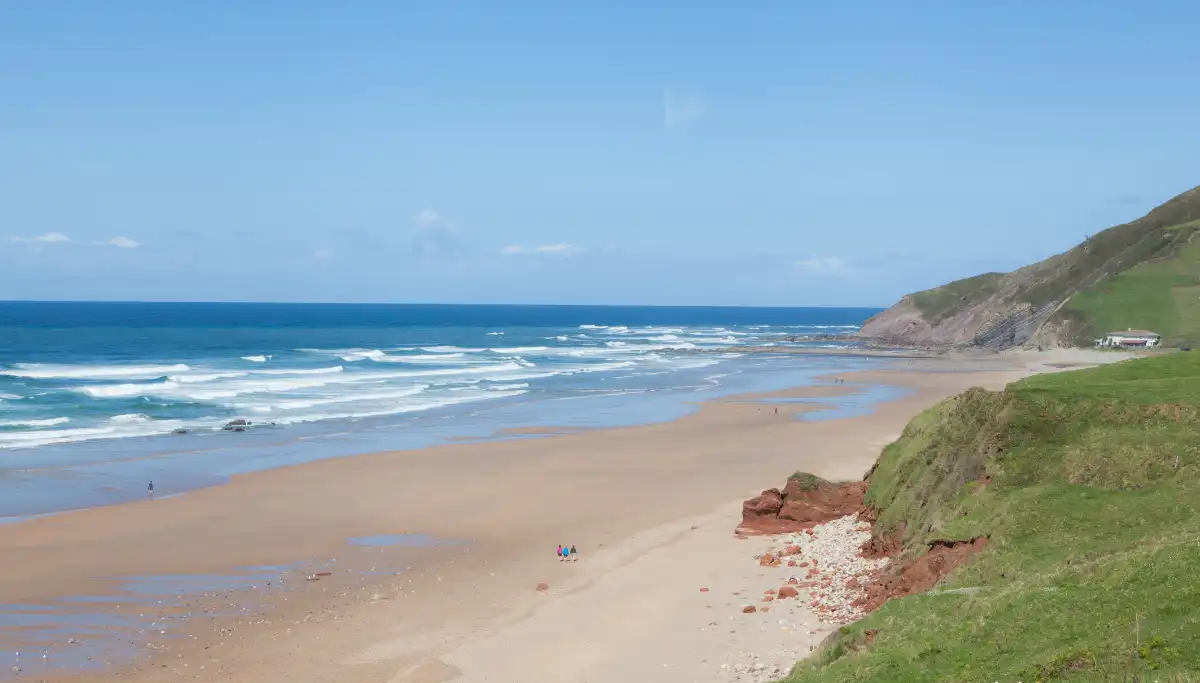
I've been living on the Wild Coast for the better part of twenty years. Elena and I raised our family here, built a business here, and hosted thousands of guests from all over the world along this stretch of coast. So when people ask me whether it's safe, I'm not going to give you the polished answer. I'm going to give you the honest one.
Yes. The Wild Coast is safe. But it deserves more than a one-word answer, because the place is genuinely remote and that remoteness has its own set of things to understand before you arrive.
Table of Contents
The Short Answer
Yes, the Wild Coast is safe for tourists who travel with a bit of common sense and, where possible, with local guidance.
Like any remote destination it has risks. But they are manageable, not reasons to stay away. The same common sense that serves you anywhere unfamiliar applies here. Don't flash valuables around, travel with people who know the area, be aware of your surroundings, respect local customs, and don't be the tourist who ignores every warning sign because they've read too many adventure blogs.
Thousands of South Africans and international travellers hike, surf, and explore the Wild Coast every year without incident.
What Remoteness Actually Means Here
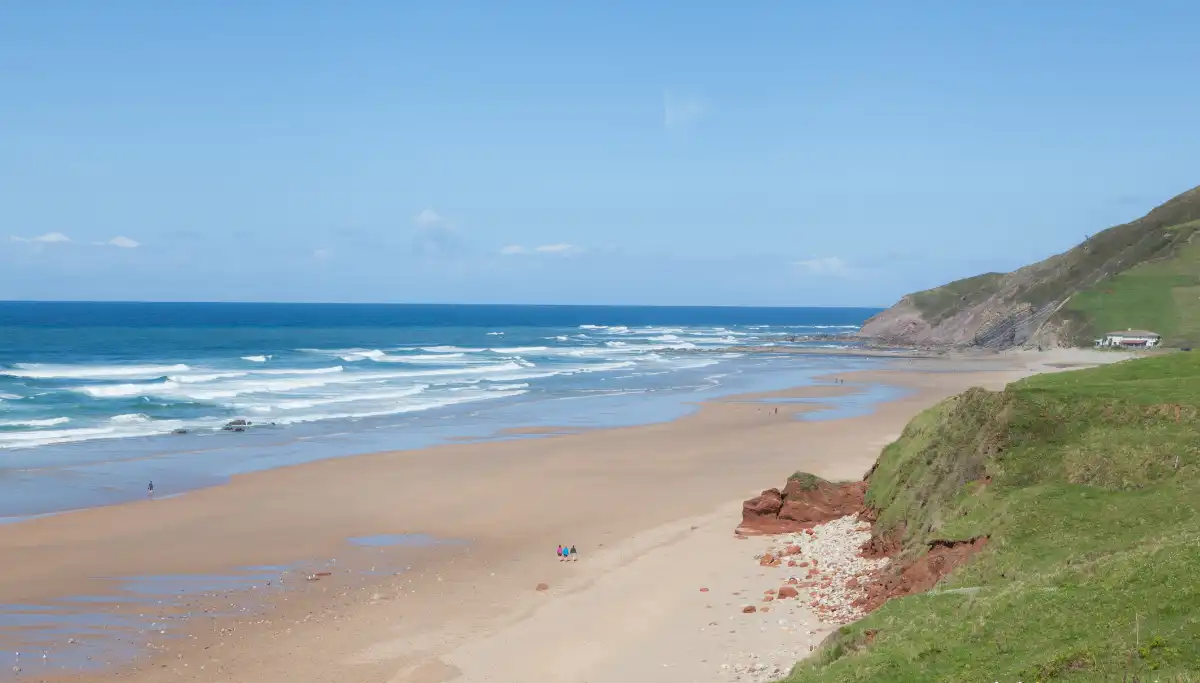
Wide sandy Wild Coast beach with red clay cliffs and green headlands under a clear blue sky, Eastern Cape South Africa
The Wild Coast's remoteness is both its greatest appeal and the thing people most misunderstand about it.
Remote does not mean dangerous. It means mobile signal is limited or nonexistent, there are no ATMs beyond Port Edward, if you have a medical emergency the nearest hospital is a long drive away, and there is no pharmacy around the corner.
That's why preparation matters more here than at most destinations. A sprained ankle on a mountain with good cell coverage is inconvenient. The same ankle in a river gorge with no signal is a different situation entirely. Travel insurance that covers outdoor activities and emergency evacuation is not optional out here. It is essential.
The communities along the Wild Coast are, in our experience, among the most welcoming in South Africa. The amaPondo people have been hosting travellers on this coastline for generations. Respect is a two-way thing, and it works well here.
Petty Crime: What to Know
South Africa has a well-documented issue with petty theft, particularly in cities and tourist areas. The Wild Coast is a very different environment.
In all the years we've been hosting guests along this coastline, serious incidents involving our guests have been extremely rare. The communities here are small and tight-knit. People know each other. Strangers who cause problems for visitors get noticed very quickly.
That said, sensible precautions apply everywhere:
- Don't leave valuables unattended on the beach
- Don't carry your passport on the trail. Keep a photocopy with you.
- Don't walk around with expensive cameras hanging off you unnecessarily
- Don't hike alone at night in areas you don't know
- Withdraw cash before entering the Wild Coast and don't carry more than you need for the day
Natural Hazards: The Real Risks
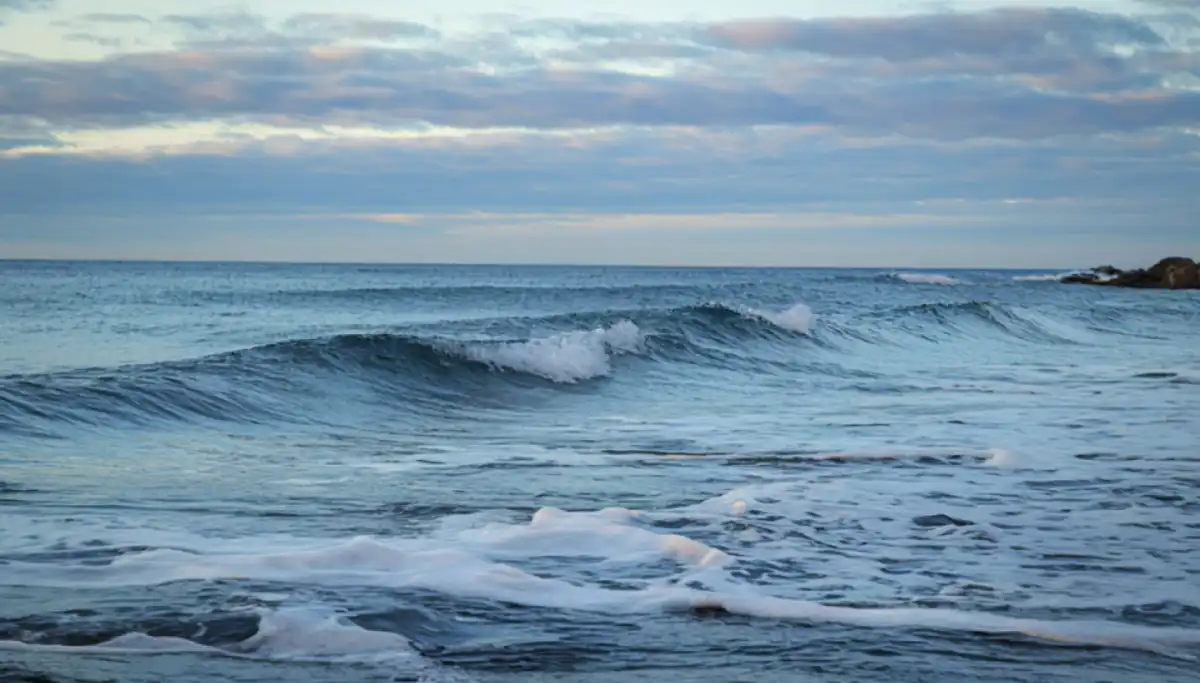
Rolling Indian Ocean waves breaking on the Eastern Cape Wild Coast shoreline at dusk
If I'm being straight with you, natural hazards are a much bigger practical concern on the Wild Coast than crime. This is what I tell every guest before they arrive.
River crossings
The rivers here can rise fast after rain. A knee-deep wade in the morning can be a dangerous crossing by afternoon if a storm has passed through upstream. Never attempt a river crossing alone, and always ask locals about conditions before you go in. On the Mtentu Ramble our guides assess every crossing and make the call. That's their job and they're good at it.
Rip currents
The Wild Coast beaches are beautiful and almost entirely unpatrolled. Rip currents are common and they can catch strong swimmers off guard. Always ask your guide or host where it's safe to swim before you go in. This matters.
Sun and heat
The Eastern Cape sun is intense, especially on open coastal trails with no shade. Heatstroke and sunburn are genuinely more likely risks for most tourists than anything criminal. Sunscreen, a hat, and drinking more water than you think you need are not optional.
Afternoon thunderstorms
Summer storms on the Wild Coast arrive fast and with little warning. If you're on an open headland when lightning starts, you need to know what to do. Your guide will.
Is It Safe for Solo Travellers?
Solo travel on the Wild Coast is possible, but it requires more preparation and local knowledge than most places.
For solo travellers who are new to the area, I'd strongly recommend starting with a guided tour rather than going it alone. Not because the Wild Coast is particularly dangerous, but because the river crossings, the navigation in remote terrain, and the limited emergency response are all much more manageable when you're travelling with someone who knows this coast intimately.
On the Mtentu Ramble, solo travellers join small groups of up to 12 people. It's a good way to meet like-minded hikers while having the safety and depth of local knowledge behind you. Is the Mtentu Ramble suitable for beginners? →
Is It Safe for Women?
Many of our guests are women, travelling solo, in pairs, and in mixed groups. We have never had a safety incident involving a female guest in all the years we've been running hikes.
The practical advice for women travelling here is the same as for any remote destination. Let people know your itinerary, travel with a reputable operator, trust your instincts, and don't hike alone in unfamiliar areas after dark.
The Wild Coast is not a place where harassment of tourists is something you need to expect or plan for. The communities here take pride in welcoming visitors well.
Is It Safe for Families?
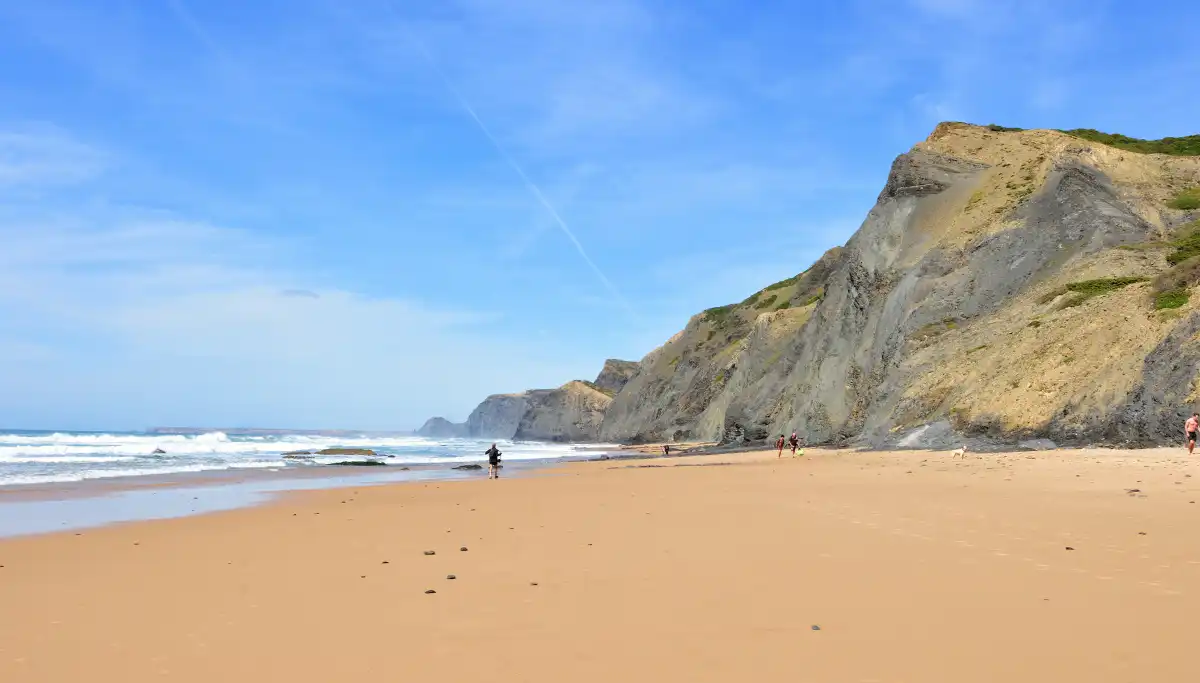
Lone hiker on a vast empty sandy beach beneath towering cliffs on the Wild Coast, Eastern Cape, South Africa
Yes, with sensible preparation. The Wild Coast is genuinely wonderful for families who want a real adventure rather than a packaged one.
For younger children, the main things to think through are river crossings (we assess these individually and carry small children where needed), sun exposure on long trail days, and the distance from medical facilities.
For families with children over roughly 8 to 10 years old, a 4-day guided hike like the Mtentu Ramble is a genuinely achievable and memorable experience. Some of our best groups over the years have been families. Kids take to this coast in a way that's lovely to watch.
Contact us to talk through a family booking →
How a Guided Tour Changes Things
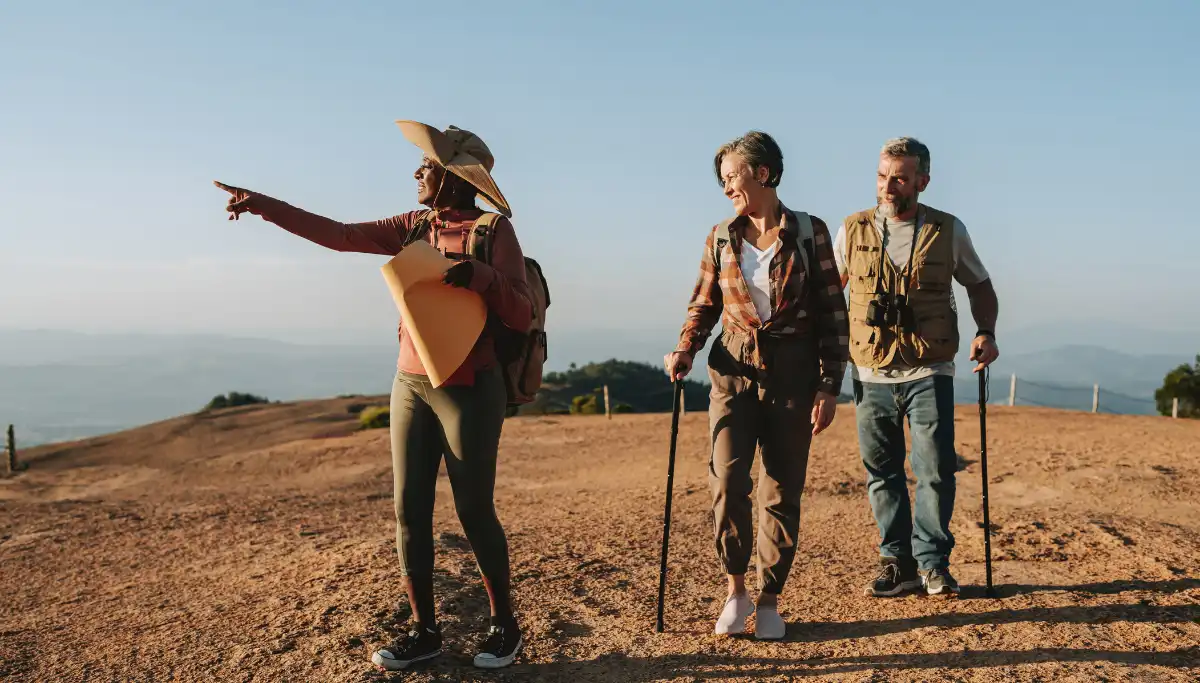
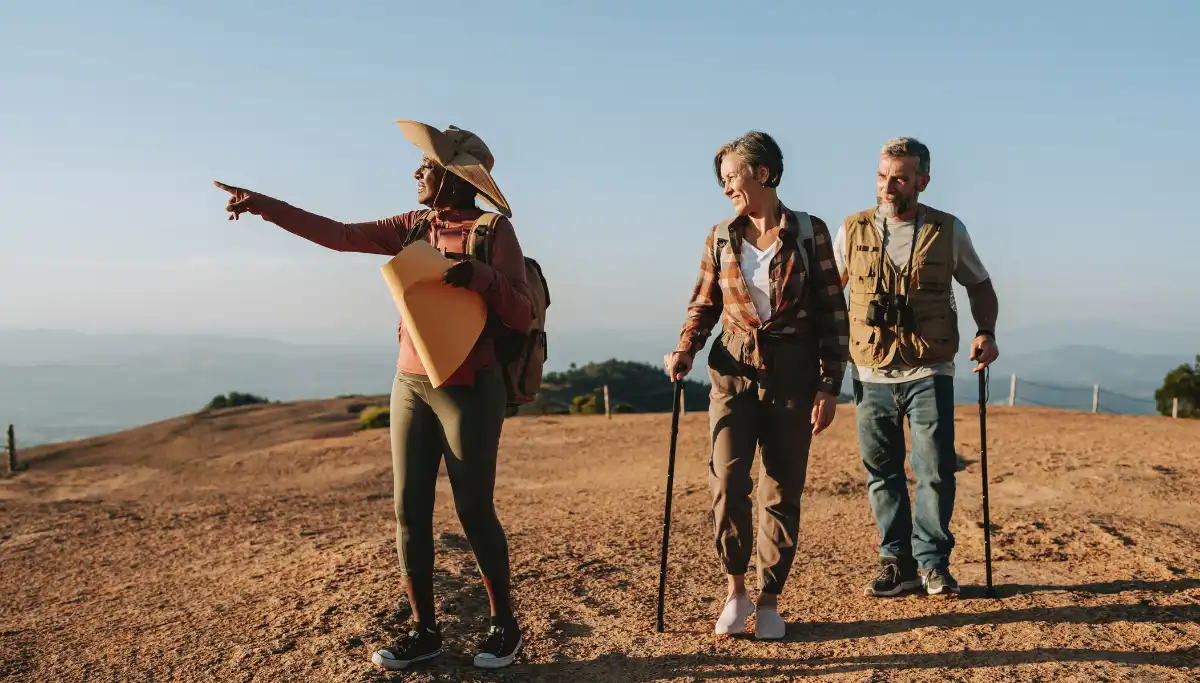
Guide pointing toward the ocean while leading two hikers on a hilltop during a guided Wild Coast hiking tour, South Africa
The single most practical thing you can do to look after yourself on the Wild Coast is travel with a guide who knows this specific stretch of coast.
Our guides grew up here. They know which rivers are crossable and when, which beaches are safe for swimming on which days, which weather to watch for, and where to go if something goes wrong. They know the communities, the shortcuts, and the places that aren't on any map.
A guided hike is not just a more comfortable experience. It is a genuinely safer one.
Practical Safety Tips for the Wild Coast
- Get travel insurance that explicitly covers hiking and outdoor activities, and check whether evacuation is included
- Withdraw cash in Port Edward, the last reliable ATM before Mtentu
- Download offline maps on Google Maps or Maps.me before you lose signal
- Share your itinerary with someone who isn't on the trip
- Bring a basic first aid kit including blister care, antiseptic, and any personal medication
- Carry more sunscreen than you think you'll need
- Ask locals before swimming anywhere you're not certain about
- Never attempt a river crossing alone in rainy season
See also: What to Pack for a Multi-Day Hike in South Africa →
FAQs
Is it safe to drive to Mtentu?
Yes, in a sensible vehicle. A high-clearance vehicle helps on the final rural roads but isn't essential if you take it slowly. The main things to watch for are potholes and livestock on the road, both common in rural South Africa and both manageable with a bit of attention.
What do I do in a medical emergency?
Alert your guide or host immediately. The nearest hospital is in Port Shepstone, roughly 90 minutes away by vehicle. This is exactly why travel insurance with evacuation cover matters out here.
Is the water safe to drink?
At homestays and lodges, yes. On the trail, treat any river or stream water before drinking. We advise guests to carry water from trusted sources or use purification tablets as a backup.
Are there dangerous animals?
No large predators on the Wild Coast trail. Baboons you'll likely encounter, give them space and don't feed them. In the water, stay out of river mouths around dusk and dawn as a sensible precaution, and be aware that sharks are present in the ocean as they are anywhere along the South African coast.
Do I need vaccinations?
The Wild Coast is a malaria-free area of South Africa, which is one less thing to worry about. Standard travel vaccinations like Hepatitis A and Typhoid are sensible precautions. Check with your GP or a travel clinic before you travel.
---
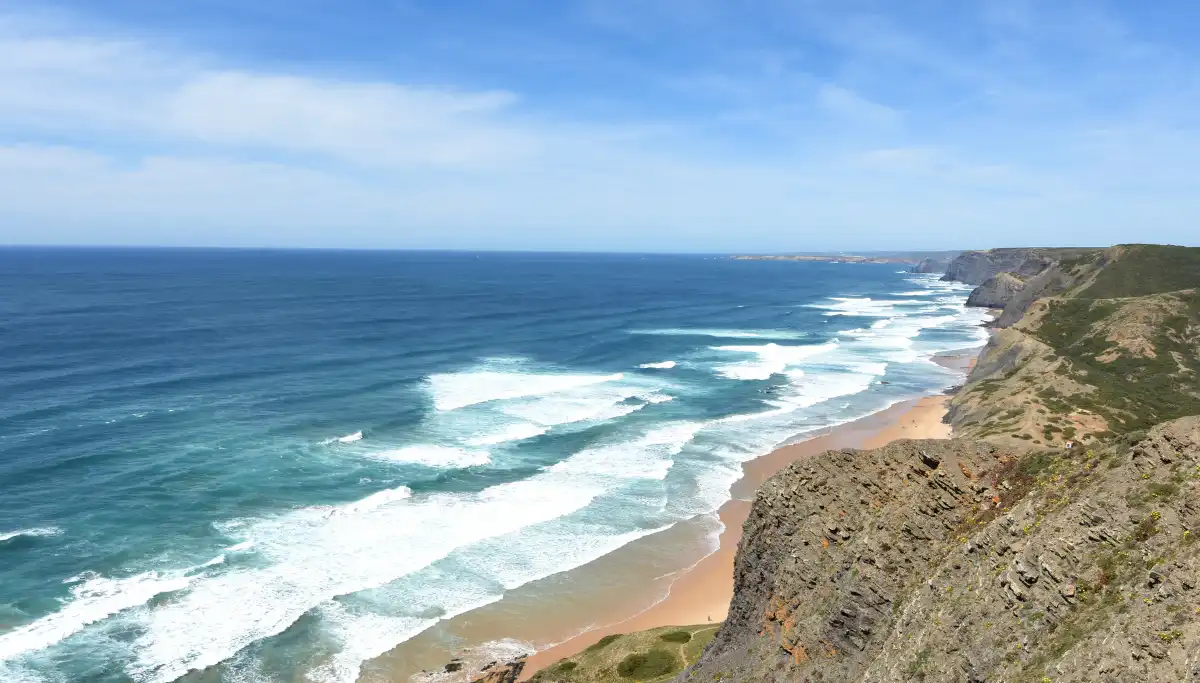
Clifftop view of the Wild Coast stretching into the distance, with golden sandy beach, crashing Indian Ocean surf and rugged green cliffs, South Africa
The Wild Coast is one of the most rewarding places I've ever walked. And I've been walking it for twenty years. The wildness is the point. It comes with real things to think about, but for people who prepare properly and travel with local knowledge, it delivers experiences you genuinely won't find anywhere else.
We'd love to show it to you.
New to this coastline? Start here: The Complete Guide to the Wild Coast →
Comparing your options? Read: Wild Coast vs Garden Route: Which Should You Choose? →
Ready to Experience This Yourself?
The Wild Coast is waiting. Book your guided hike with Mtentu Ramble and create memories that will last a lifetime.