What to Pack for a Multi-Day Hike in South Africa: The Complete List
Packing right makes the difference between a trip you love and one you spend suffering. Here's exactly what to bring for a multi-day hiking trip on South Africa's Wild Coast, and what to leave at home.
 Allan Hein16 March 2026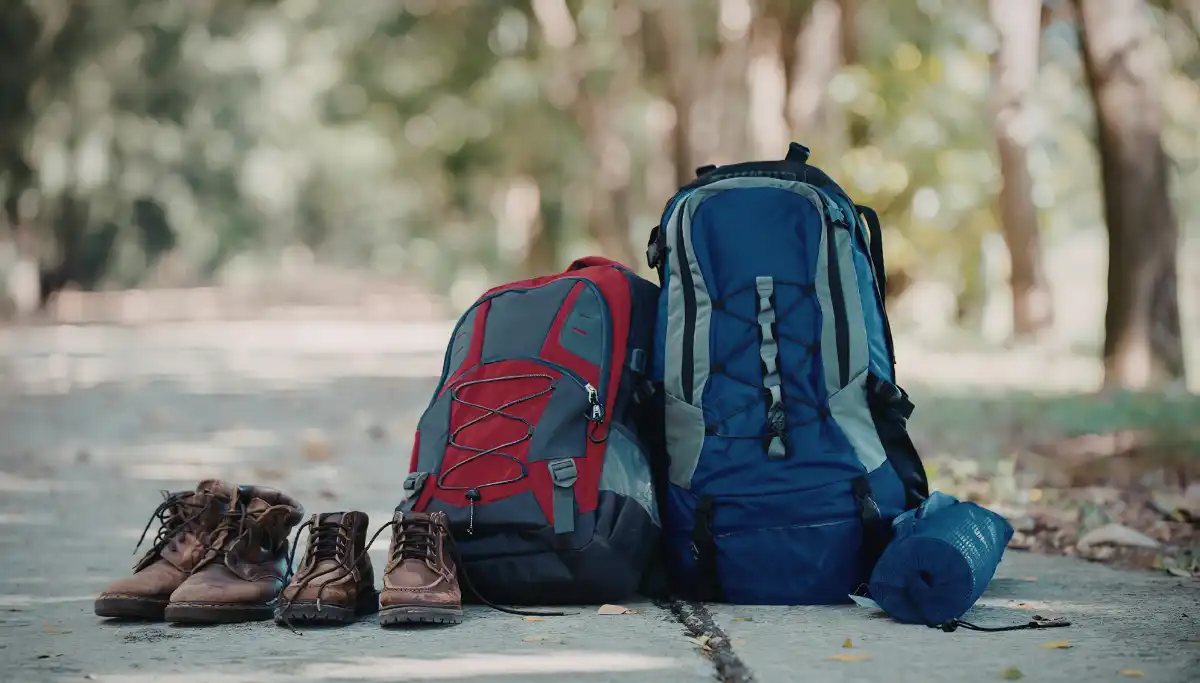
Every few weeks I get a message from someone asking what to pack. And every few weeks I write back a version of the same list, because the Wild Coast has its own demands that catch people off guard.
This isn't the Drakensberg. You're not going to need technical gear or a twelve-point gaiters. But you're also not heading to a resort. River crossings, coastal heat, afternoon rain that arrives with no warning, and nights that get properly cool in winter. Get the kit right and you'll barely think about it for four days. Get it wrong and you'll spend the whole trip managing yourself instead of enjoying the place.
This is the list we send every guest before they join the Mtentu Ramble.
The Short Answer
Pack light: trail shoes or lightweight boots, quick-dry layers, a wide-brimmed sun hat, a waterproof jacket, and swimwear. Bring high-SPF sunscreen, a blister kit, and cash, as there are no ATMs beyond Port Edward. On the Mtentu Ramble you carry only a day pack and need no tent or sleeping bag.
Table of Contents
Footwear
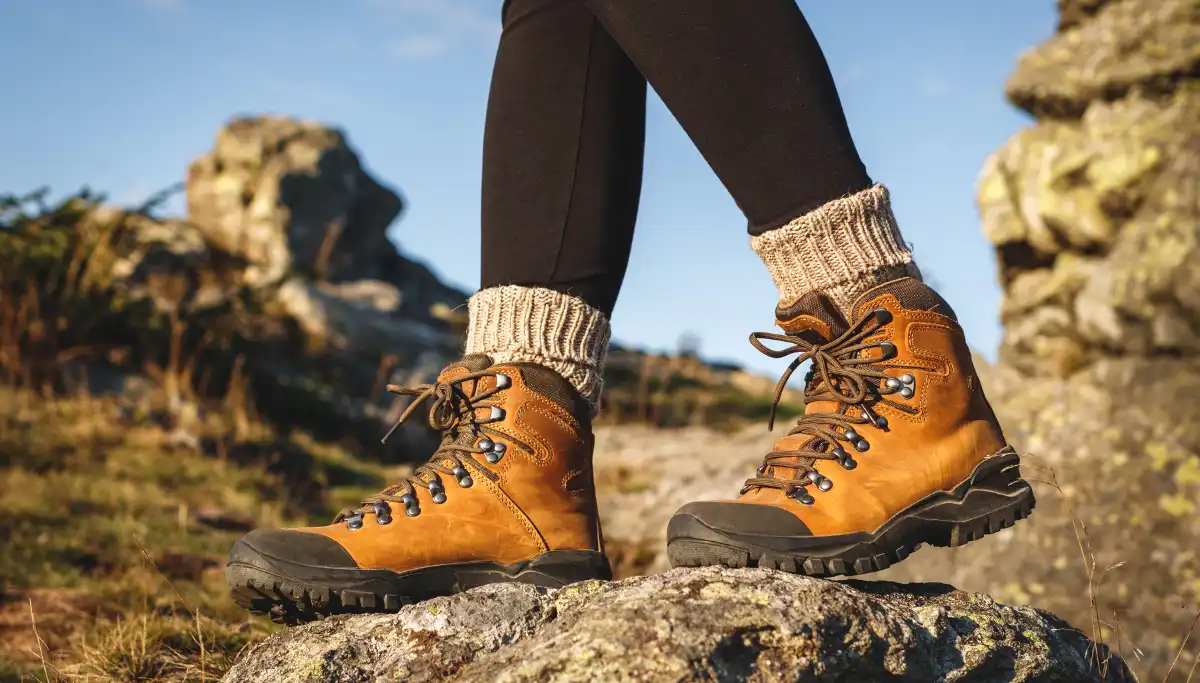
Close-up of sturdy leather hiking boots on rocky ground, essential footwear for multi-day South Africa trail hiking
Your feet are your vehicle. Don't scrimp here.
Trail shoes or lightweight hiking boots (essential)
You need grip, ankle support, and something that can get soaked crossing a river and dry out overnight. Heavy leather boots are too much for the Wild Coast. A good trail runner or lightweight waterproof hiking boot is the sweet spot. I've seen guests show up in fashion trainers and spend the whole hike miserable. Don't be that person.
Sandals or camp shoes (strongly recommended)
After a full day on the trail your feet need to breathe. A pair of Tevas, Crocs, or plain flip flops makes a huge difference come evening.
Avoid:
- Brand new shoes you've never walked in before, break them in first
- Road running shoes with no grip
- Sandals as your only footwear
Clothing
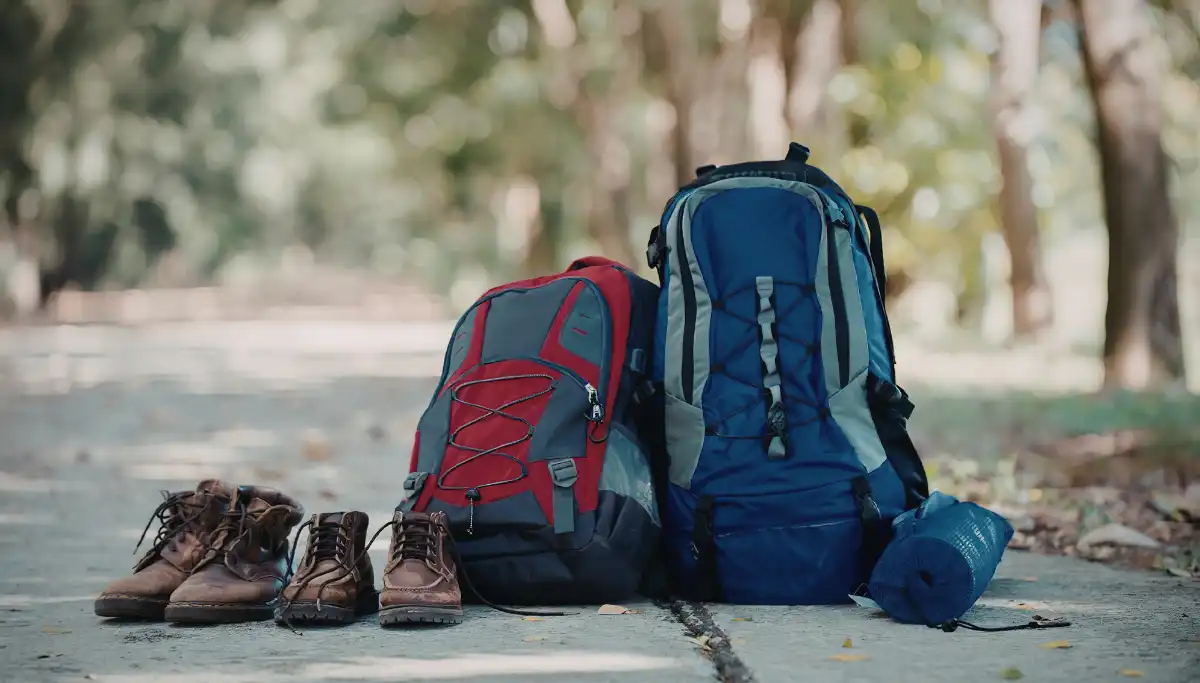
Red and blue hiking backpacks with leather boots laid out ready for a multi-day hike in South Africa
The Wild Coast is subtropical and coastal, which means layers matter more than bulk.
Day hiking:
- 2 to 3 moisture-wicking T-shirts (quick-dry fabric, not cotton, cotton stays wet and chafes)
- 1 long-sleeve layer for sun protection and cool early mornings
- 1 pair of lightweight hiking shorts or convertible trousers
- A wide-brimmed sun hat. Non-negotiable. The coastal sun on the Eastern Cape is not forgiving.
Evenings and cooler days:
- 1 fleece or light midlayer. Wild Coast evenings surprise people, especially in winter.
- 1 lightweight waterproof jacket. Afternoon thunderstorms happen and they happen fast.
Swimwear:
You will swim. Multiple times. Bring a proper swimsuit or board shorts, not just your underwear.
Laundry:
On a 4-day trail you can rinse clothes overnight. Two sets that rotate is plenty. You don't need a fresh outfit for every day.
Sleeping and Camp Gear
On the Mtentu Ramble we put you up in community homestays, real beds with linen, under a solid roof. You do not need a sleeping bag or a tent.
If you're doing a self-guided route or staying in basic trail huts somewhere else, bring:
- A lightweight sleeping bag rated to 10 degrees Celsius for summer, 5 degrees for winter
- A sleeping bag liner (adds warmth and packs down to almost nothing)
- Ear plugs (rural South Africa has its own soundtrack at night)
Toiletries and Health
Must-haves:
- High-SPF sunscreen, SPF 50 minimum. The Eastern Cape sun is serious and you're out in it all day.
- Insect repellent. DEET-based works best out here.
- Lip balm with SPF
- Blister kit: moleskin, micropore tape, and a needle. Blisters on day two will ruin your trip if you're not prepared.
- Electrolyte sachets for hot days
- Personal medication in enough supply for the full trip plus a day or two extra
First aid basics:
- Antiseptic wipes or cream
- Plasters in a few sizes
- Antihistamine tablets for bites or reactions
- Imodium or similar. A sensible precaution when your gut is adjusting to new food and water.
- Ibuprofen or paracetamol
Toiletries:
- Biodegradable soap and shampoo. Homestays provide basics but bring your own to be safe.
- Small quick-dry travel towel
- Toothbrush and toothpaste
- Wet wipes. Genuinely invaluable on the trail.
Water:
- A 1.5 to 2 litre water bottle or hydration bladder
- Water purification tablets as backup. Most homestays have clean water but it's good practice to carry tabs in remote areas.
Documents and Money
Cash is king on the Wild Coast.
There are no ATMs beyond Port Edward. Withdraw before you leave town. On the Mtentu Ramble your main costs are covered because it's all-inclusive, but you'll want cash for tips, cold drinks, and anything you pick up along the way.
Bring:
- A photocopy of your passport or ID. Keep the original somewhere secure, not in your day pack.
- Emergency contact card inside your bag
- Travel insurance details, and make sure the policy actually covers outdoor hiking activities
- Credit card as backup. Limited use in the area but useful if you need anything in Port Edward
See our full guide: Currency, SIM Cards and Connectivity on the Wild Coast →
Photography and Electronics
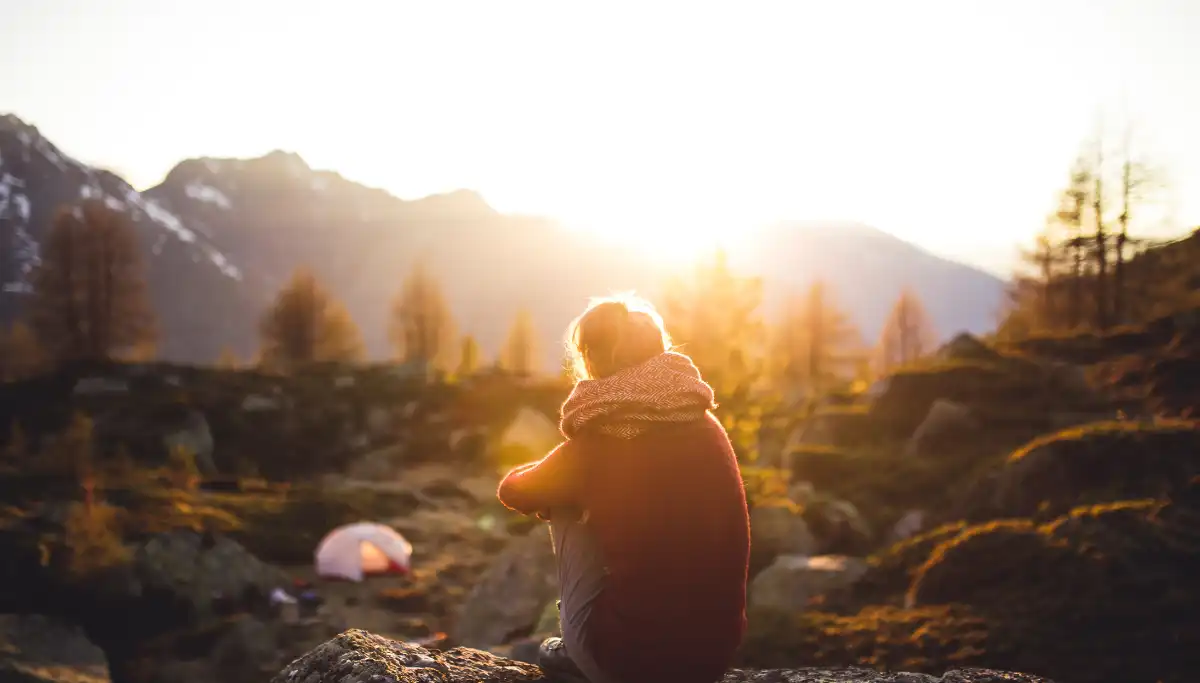
Solo hiker sitting on a rock watching a blazing golden sunset over a mountain valley in South Africa, tent visible in the background
The Wild Coast is one of the most photogenic places I've ever been. And I've been looking at it for twenty years so I'm not exactly saying that to sell you something.
- Camera or phone with plenty of storage. You will fill it.
- Waterproof case or dry bag for your phone. River crossings will get your kit wet. This is not a maybe.
- Portable power bank. No charging points on the trail and limited charging at homestays.
- Universal travel adapter. South Africa uses Type M, C, and N plugs. A universal adapter sorts all of that.
What about mobile signal?
Very limited on the trail. Download offline maps on Google Maps or Maps.me before you leave, tell people you'll be out of contact, and enjoy the break. We cover this properly here: Currency, SIM Cards and Connectivity →
What NOT to Bring
This matters as much as the rest of the list.
- A large suitcase. You are hiking. Everything goes in a backpack. Aim for 10 to 15 kilograms maximum.
- Jewellery or valuables. Leave them at home.
- Multiple pairs of jeans. Heavy, slow to dry, completely wrong for this terrain.
- Glass bottles. Practical and environmental problem on a coastal trail.
- Anything you'd be devastated to lose or damage. The trail is beautiful but it is unforgiving.
What Should You Pack for the Mtentu Ramble?
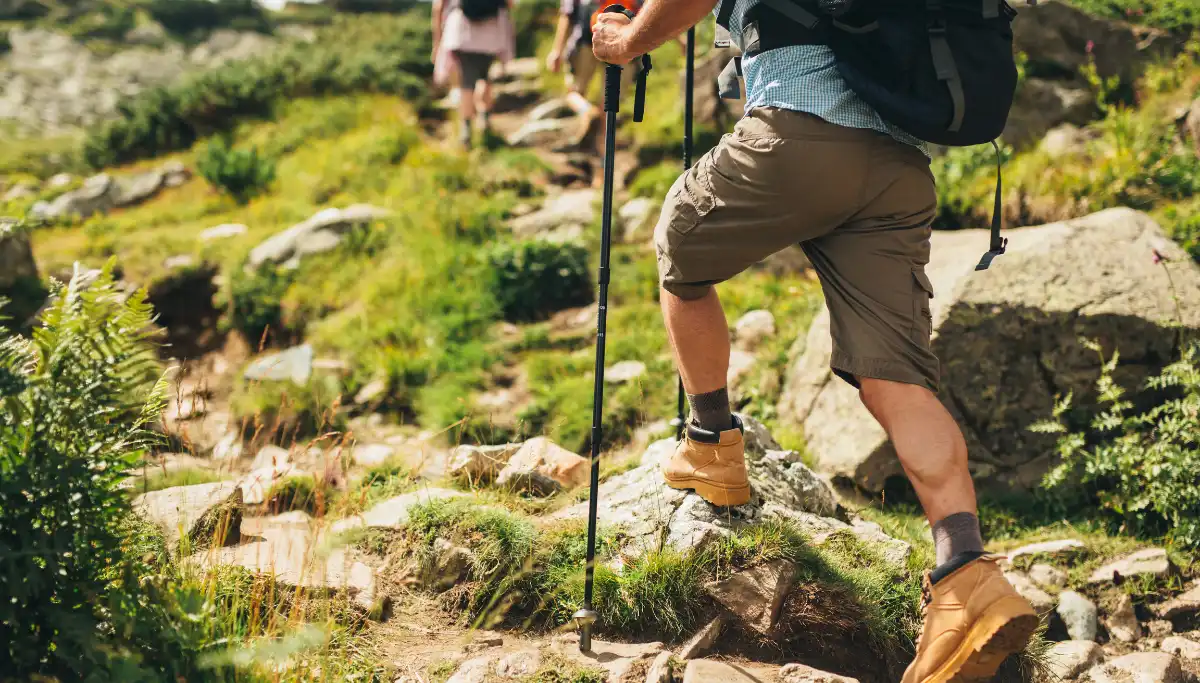
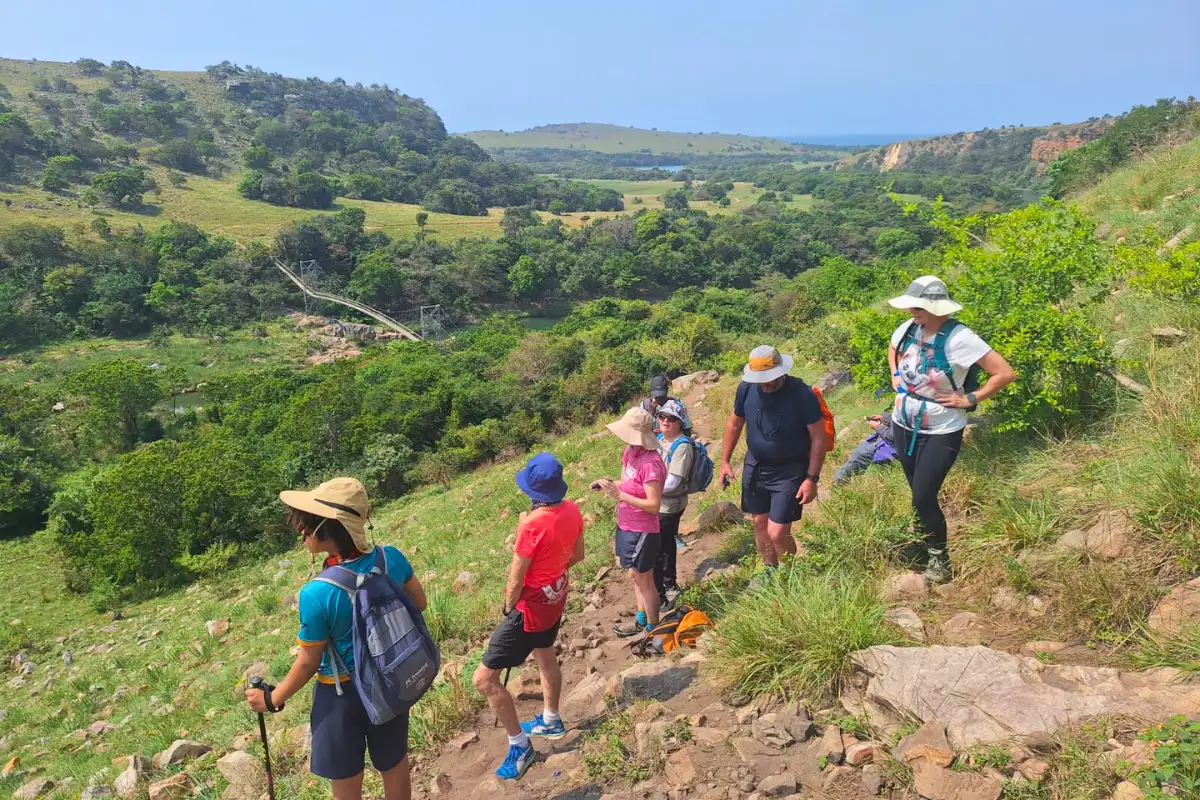
Hiker's boots and trekking poles navigating a rocky green trail on a multi-day hike in South Africa
Because the Mtentu Ramble is all-inclusive you can pack lighter than any self-supported route.
You don't need to bring:
- Food or cooking equipment. All meals are provided.
- Tent or sleeping bag. Homestay beds with linen.
- Purification tablets. Clean water is available at all stops.
- Packed hiking lunches for day trips. We prepare these for you.
What to pack in your day bag for trail days (a small 10 to 15 litre daypack):
- Water bottle
- Sun hat and sunscreen
- Swimwear
- Camera
- Personal medication
- Light snack
- Waterproof jacket
Your main bag stays at the homestay each day. We only move luggage when we move between overnight stops.
FAQs
How heavy should my pack be?
Aim for no more than 10 to 15 percent of your body weight. On the Mtentu Ramble with meals and accommodation included, most guests come in comfortably under 10 kilograms.
Do I need specialist hiking clothing?
No. Good quality moisture-wicking activewear is fine. You don't need to spend a fortune on branded gear.
What about laundry?
On a 4-day hike, rinsing clothes overnight is sufficient. Homestays have basic washing facilities.
Is a rain jacket really necessary?
Yes. Afternoon storms on the Wild Coast are brief but heavy. A lightweight packable waterproof takes up almost no space and you'll be grateful for it every time a storm rolls in off the sea.
Can I hire gear locally?
Not reliably. Bring everything you need from your home city. Port Edward has very limited outdoor retail.
---
Pack well, pack light, and don't overthink it. If you have questions about what to bring specifically for the Mtentu Ramble, get in touch → and we'll help you sort it out before you travel.
New to multi-day hiking? Is the Mtentu Ramble suitable for beginners? →
Still deciding between the Wild Coast and the Garden Route? Wild Coast vs Garden Route: Which Should You Choose? →
Ready to Experience This Yourself?
The Wild Coast is waiting. Book your guided hike with Mtentu Ramble and create memories that will last a lifetime.