The Wild Coast's First Hikers: San People, Shipwreck Survivors & the Trails They Left Behind
Long before guided tours, the Wild Coast was walked by San people and shipwreck survivors. The forgotten history beneath every trail on South Africa's eastern coast.
 Allan Hein22 November 2025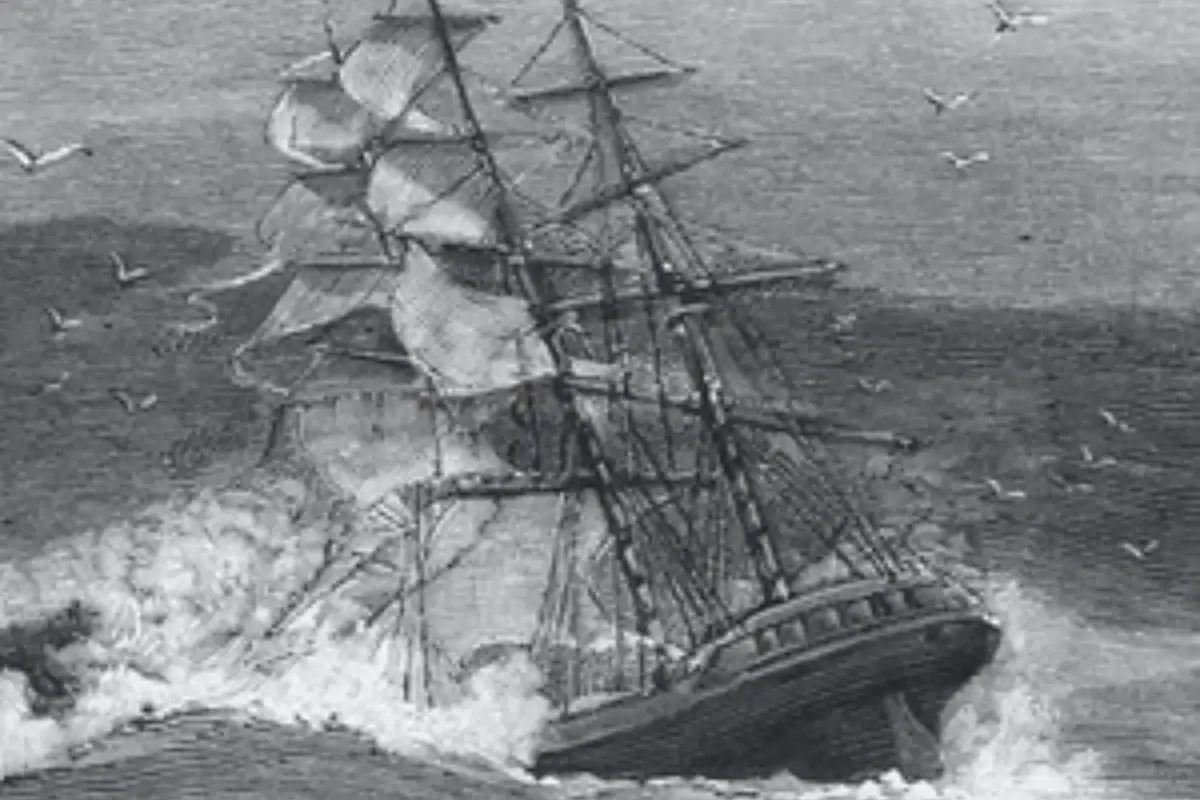
If you’ve ever huffed and puffed your way along the Mtentu Ramble, stopping every few minutes to admire the view, or to reconsider your life choices, take a moment to thank your lucky stars. At least, you chose to be here.
The very first “hikers” on this coast were not so fortunate. The reality show Survivor pales into insignificance with these real-life survivors.
Table of Contents
The Very First “Hikers”
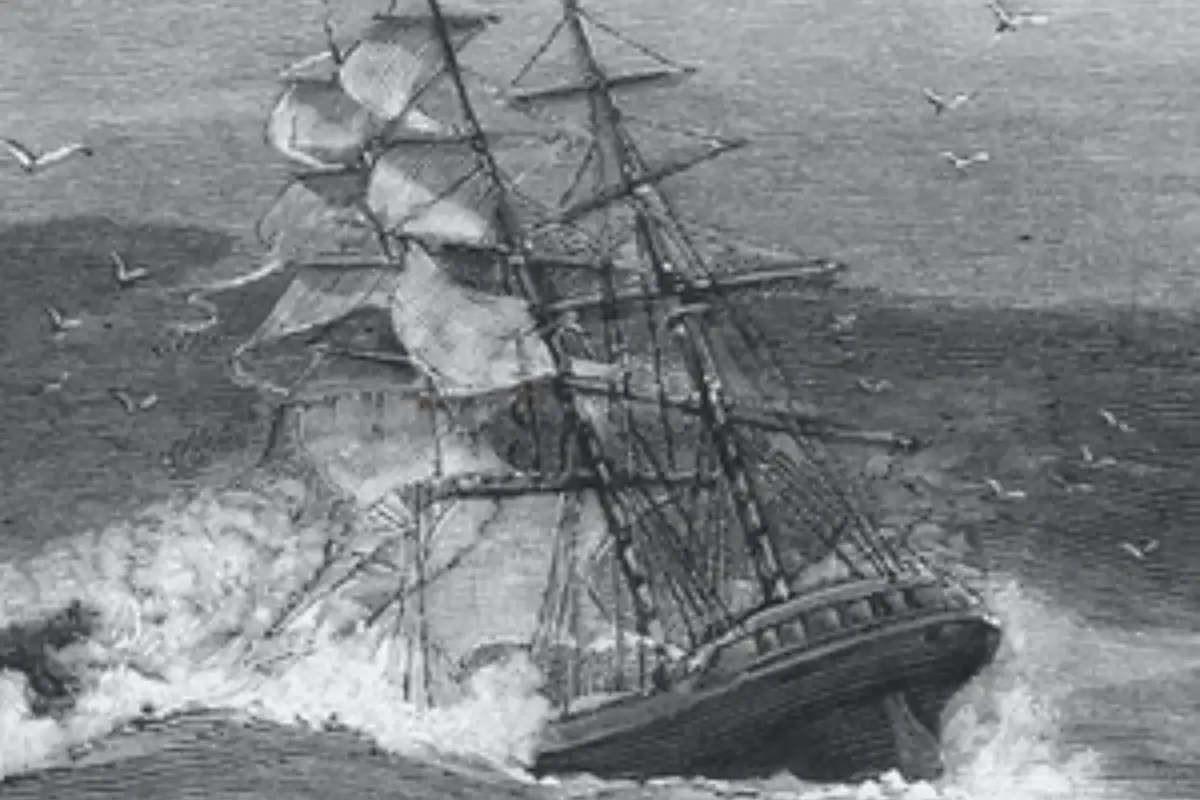
Historical engraving of a Portuguese galleon sinking in stormy seas off the Wild Coast of South Africa
Many people erroneously believed that the first hikers on the Wild Coast were from the galleon São João, which also sank in a storm near the Wild Coast in 1552 and ran aground near modern-day Port Edward. The boat's contingent was about 500 souls aboard. The sea claimed about a hundred souls. The rest, bruised, battered, and probably wondering what on earth the coastline had in store for them, began the long walk north toward Delagoa Bay, today’s Maputo. A journey of desperation, not adventure… but proof that the Wild Coast unpredictability has been testing travellers for centuries.
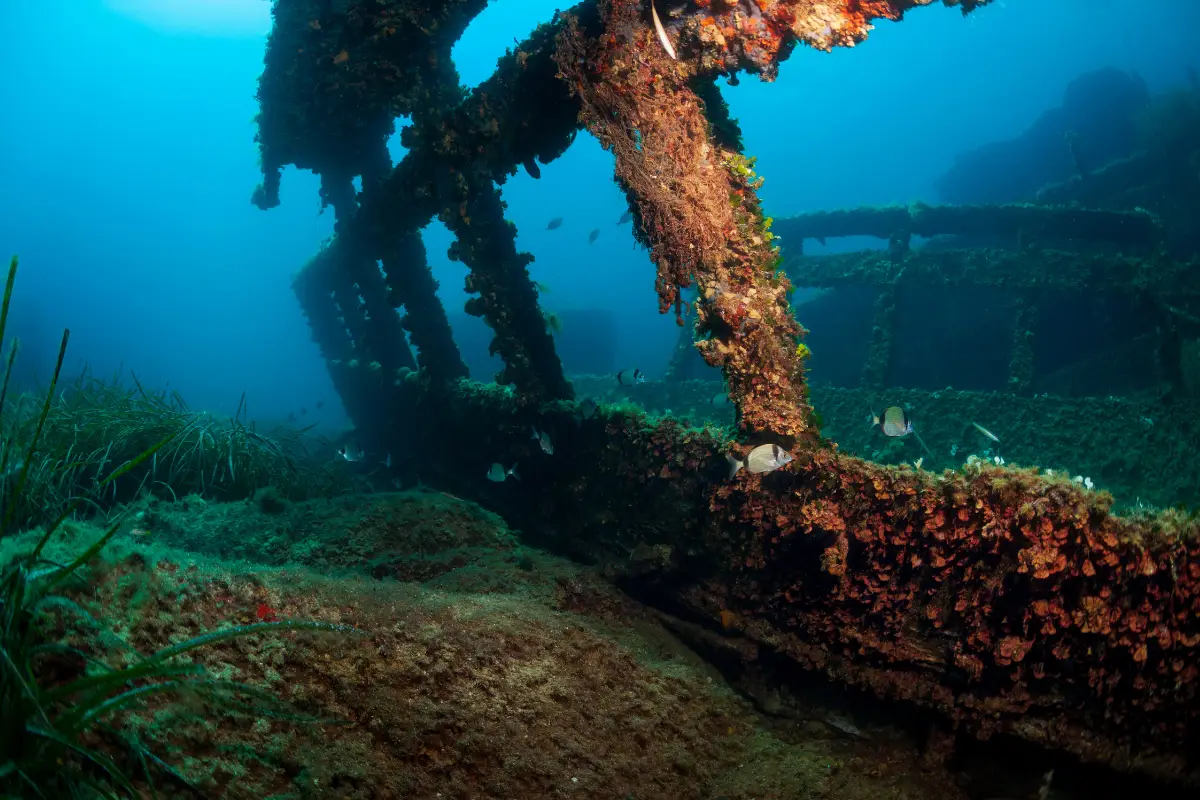
Underwater remains of a shipwreck anchor and bowsprit encrusted with coral on the Wild Coast ocean floor
1554, a Portuguese ship called The São Bento crashed near the Maikaba island at the Msikaba river mouth. The sea finally allowed 322 survivors to reach the shore, but claimed approximately 150 people.
To the local Amapondo, this must have looked like something straight out of a folktale. Hundreds of pale-skinned aliens, bedraggled strangers washing up on the sand in strange fabrics and metal buckles, well, you can understand why the news probably spread fast.
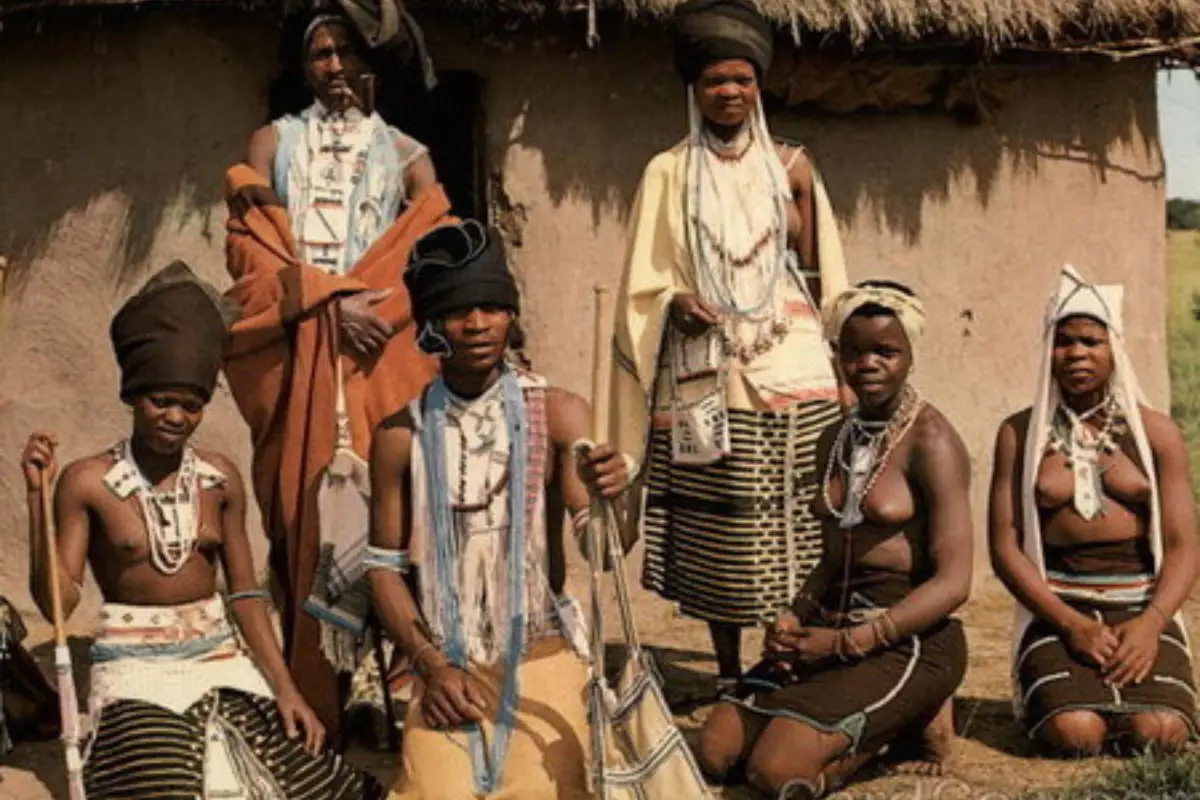
Amapondo people in traditional beaded clothing and headdresses gathered outside a mud hut in Pondoland, Eastern Cape
I imagine the conversations went something like:
- “Uncle, the sea is bringing people again.”
- “Leave them. Maybe it will take them back.”
A March Born of Desperation
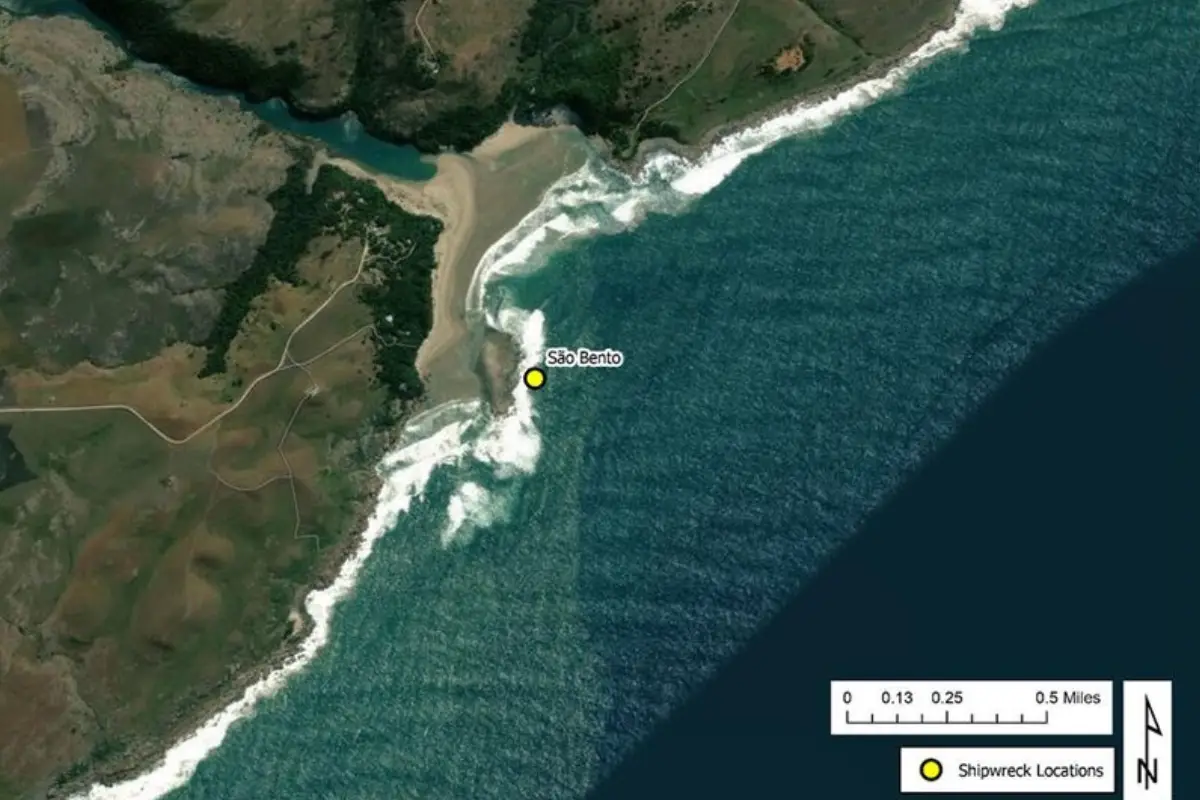
Satellite map marking the exact Wild Coast location where the São Bento Portuguese galleon ran aground in 1554
After a few days recovering from shock, exhaustion, and the terrifying realisation that no rescue would ever materialise, the survivors began their long walk north. Apparently, one lady and one man were left behind at the shore near the wreckage with broken legs. A grim decision that no group ever wants to make, but necessity and the urgency of reaching a known land hastened the decision.
From there, the survivors headed inland. Approximately 25% of these survivors were injured and used timber to fashion crutches, which assisted them in walking.
Some modern writers and oral traditions suggest they more than likely followed the large game paths, which in those days were often carved by elephants. It’s a reasonable assumption that early travellers across southern Africa frequently followed elephant paths, but it's not something written down by the São Bento survivors themselves. So let’s call it an educated guess, with one foot in history and the other in local lore.
What we do know for certain is that one member of the party kept meticulous notes. According to his record, the group took 13 days to reach the Mtamvuna Gorge.
Thirteen long, hungry, footsore days.
Modern hikers on the Mtentu Ramble cover a similar distance in about 10 hours, and that’s with:
- river ferries,
- good shoes,
- snacks,
- And no one is shouting in Portuguese
Mapping the Unknown
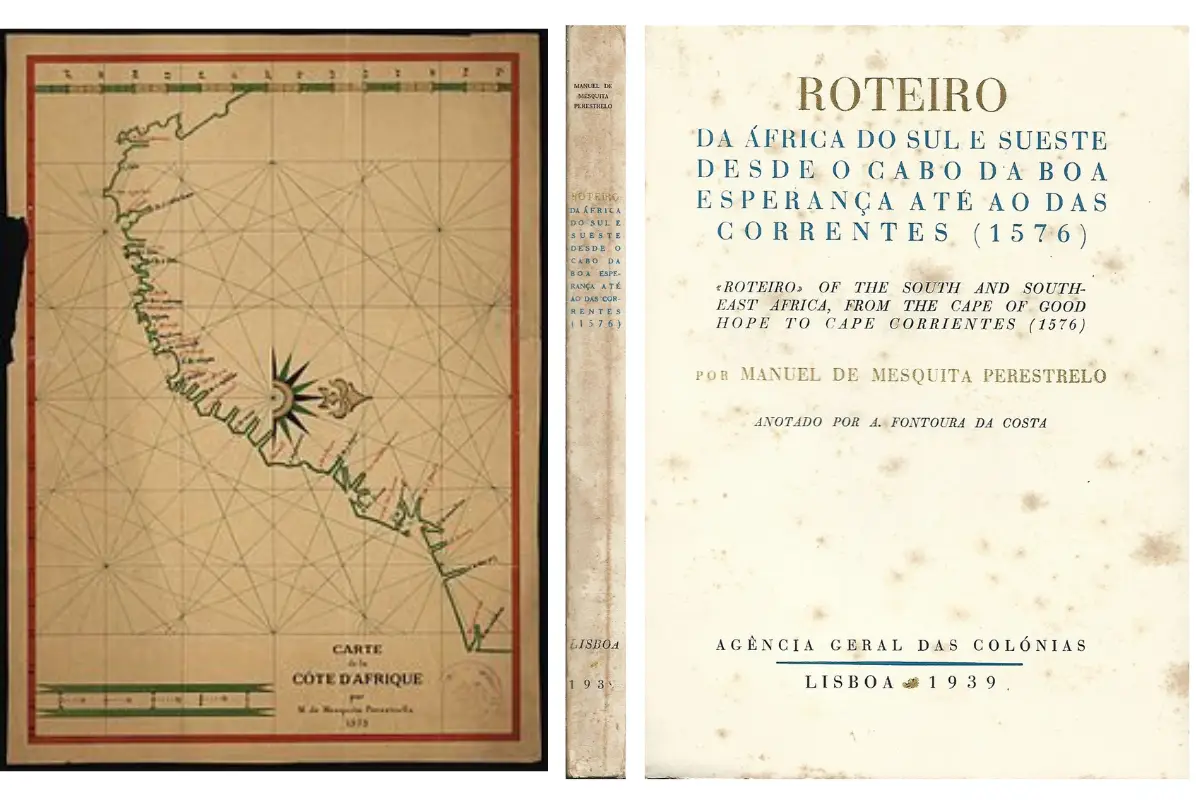
Portuguese Roteiro navigation book by Manuel de Mesquita Perestrello beside a hand-drawn map of Africa's southern coastline
Manuel de Mesquita Perestrello was one of the survivors of the wreck, who managed to survive the journey to Mozambique. He was also the author of the Sao Bento report. Perestrello's account is a remarkably lucid and concise document, most of which can now be correlated with the landscape with little difficulty.
The journal kept on the march is so detailed that it includes the site of the São João Wreckage, discovered north of the Mtamvuna River, and the latitudes for Durban, Richards Bay, and St Lucia, remarkable for someone who’d just lost their ship, their food, and most of their worldly possessions.
But here’s the hardest part of the story:
Of the 320 people who set out from Msikaba, only 23 arrived in what is now Maputo. A staggering distance of about 850 kilometres, to which another 200 must be added for their forays inland. Find out more about the São Bento Monument here.
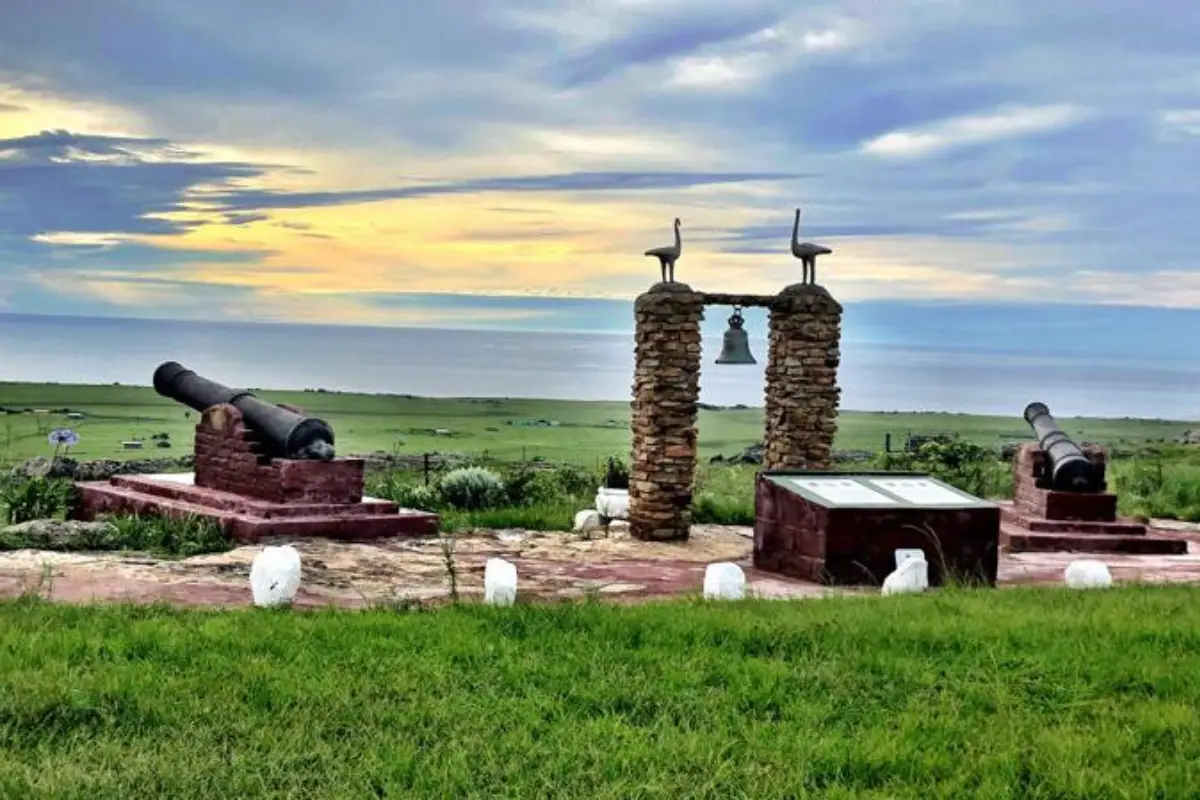
São Bento shipwreck monument with cannons and bell on Wild Coast headland overlooking the Indian Ocean at sunset
Just twenty-three. To add insult to injury, here they waited for 5 months for a ship to arrive. To top it off, the vessel could only sail home after another 5 months, awaiting favourable winds.
It’s sobering. I’ve been on this coastline for more than a decade, and I think about those survivors every time I walk that same stretch of sand. When you’re strolling along our coastline today, watching fish eagles circle, or foraging for a viewpoint to eat your sandwiches, it’s good to remember that the Wild Coast hasn’t always been the friendly, remote playground that hikers adore. Once, it was a frontier of survival.
Yet people kept coming, kept wrecking their ships and being stranded ashore, kept weaving themselves into the land.
And this brings us to one of the most extraordinary bits of local history.
A Legacy Beyond the Wrecks: The abeLungu Clans
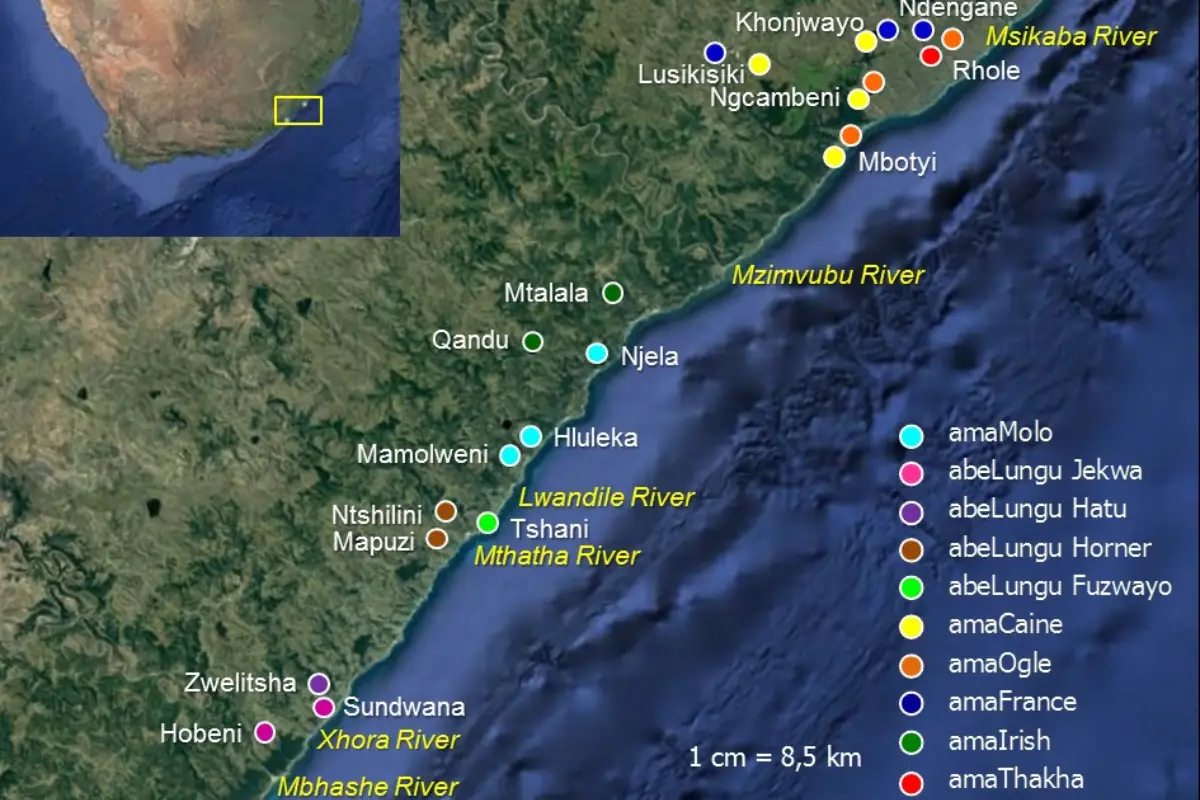
Colour-coded map of Wild Coast Eastern Cape showing clan territories descended from European shipwreck survivors in Pondoland
Along the Eastern Cape, especially in the Mpondo and Bomvana areas, there exists a clan group known as abeLungu, literally “the white people.”
Now, before you imagine anything dramatic, let me explain:
The abeLungu are fully integrated Nguni clans whose ancestry traces back to European shipwreck survivors who washed ashore between the 1700s and 1800s and later married into local families.
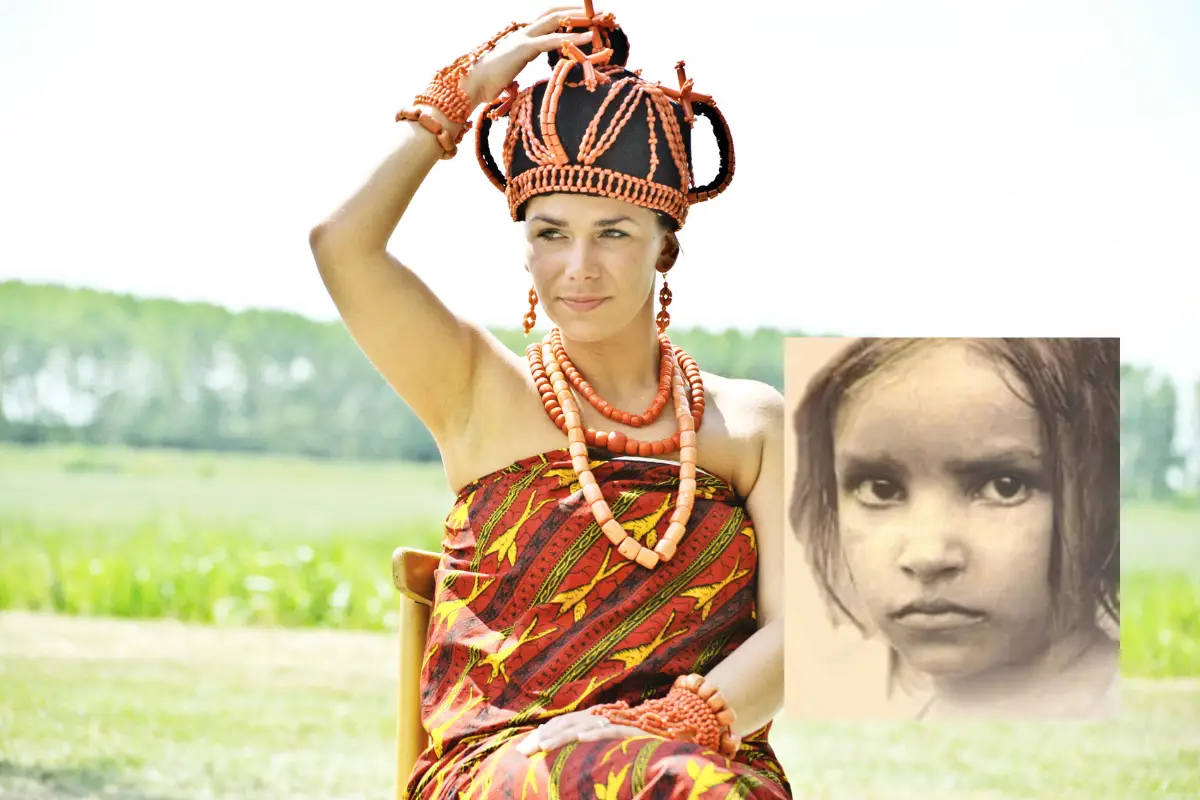
Woman in traditional Mpondo beaded crown and orange dress representing the indigenous people of the Wild Coast, South Africa
This isn’t a fairy tale; historians, anthropologists, and even genetic research support the broad outline:
- Europeans were indeed shipwrecked frequently along the Wild Coast.
- Many were absorbed into local communities.
- Their descendants became part of Xhosa and Mpondo cultural life, speaking isiXhosa, taking clan names, and living as locals.
- Certain clan names still reflect this ancestry (like amaFrench, amaScots, and abeLungu).
- The AbeLungu found at Xora River Mouth in the Eastern Cape are linked to a woman called Bessie, who, according to oral and written history, is said to have been a 7-year-old English castaway. She washed up on the Wild Coast of the Eastern Cape at Lambasi Bay in about 1736 and was adopted by the amaMpondo. Eventually rising to a high position within the tribe.
Now, we can’t say the São Bento survivors founded these clans; that part is not documented, and the timelines don’t perfectly line up, but the story does show something remarkable:
The Wild Coast and the Amapondo people have always had a way of taking in strangers and turning them into family.
FAQ
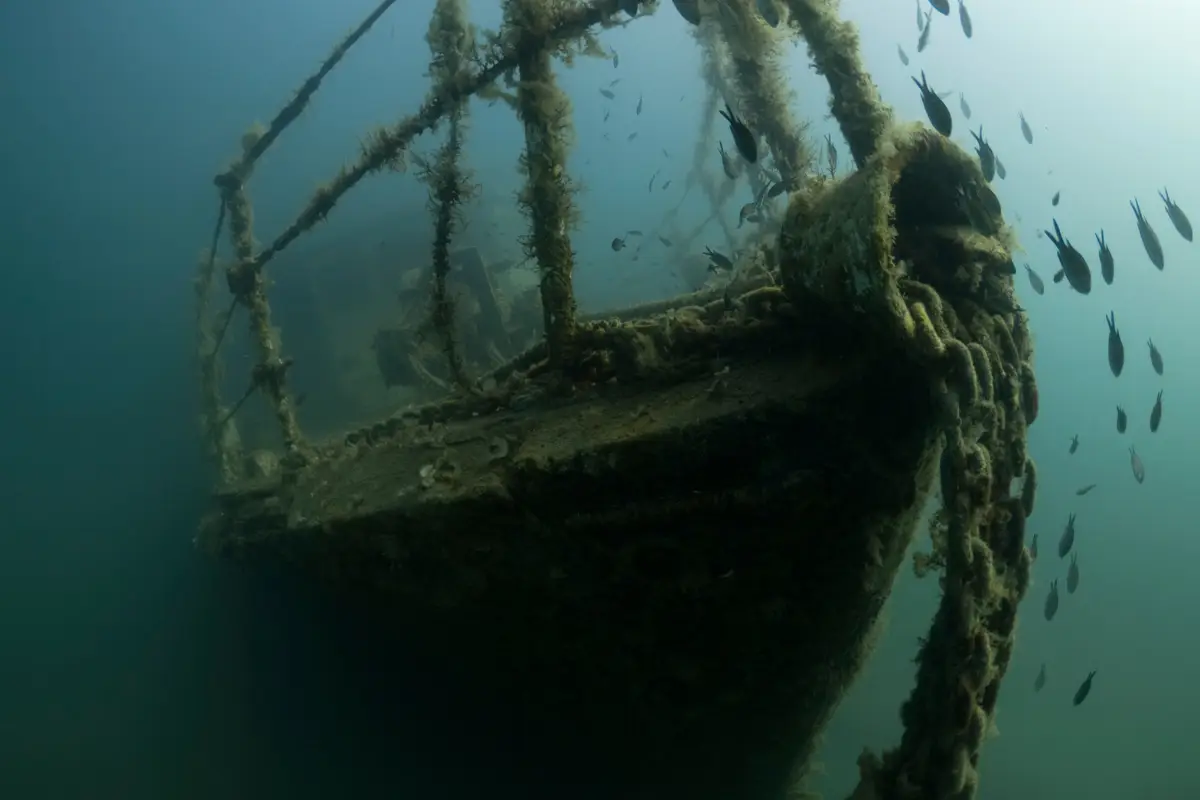
Encrusted hull of a sunken shipwreck on the Wild Coast seabed with fish swimming through the wreckage
Did the São Bento survivors really walk to Maputo?
Yes. Historical accounts confirm that the survivors marched north, though only a small fraction arrived at their destination in Mozambique. Documented by a survivor, Manuel de Mesquita Perestrello.
Did they follow elephant paths?
It’s possible and consistent with how people navigated then, but it wasn't directly recorded, so we treat it as likely a "terminological inexactitude" rather than a proven fact. They tried the inland route, but later headed back along the coast as food was easier to obtain from the sea.
Is the abeLungu clan real?
Yes. They are recognised Nguni clans with ancestry tied to shipwreck survivors who integrated into local communities.
Fun Facts
- The Wild Coast is one of the most shipwrecked coastlines in the world, thanks to unpredictable seas and hidden reefs.
- Some early maps of South Africa’s east coast exist because of castaways who documented their journeys home.
- Modern hikers do in half a day what the São Bento survivors did in nearly two weeks, and with far fewer complaints (usually).
- Modern hikers also do not run galleons aground to begin their hikes.
Read our latest blog: Shipwrecks on the Wild Coast | A Local’s Ramble Through 500 Years of Wrecks and Wonders
Ready to Experience This Yourself?
The Wild Coast is waiting. Book your guided hike with Mtentu Ramble and create memories that will last a lifetime.