Shipwrecks on the Wild Coast | A Local's Ramble Through 500 Years of Wrecks and Wonders
Explore 500 years of shipwrecks along South Africa's Wild Coast. A local's guide to the ships lost to these beautiful, treacherous shores near Mtentu.
 Allan Hein9 December 2025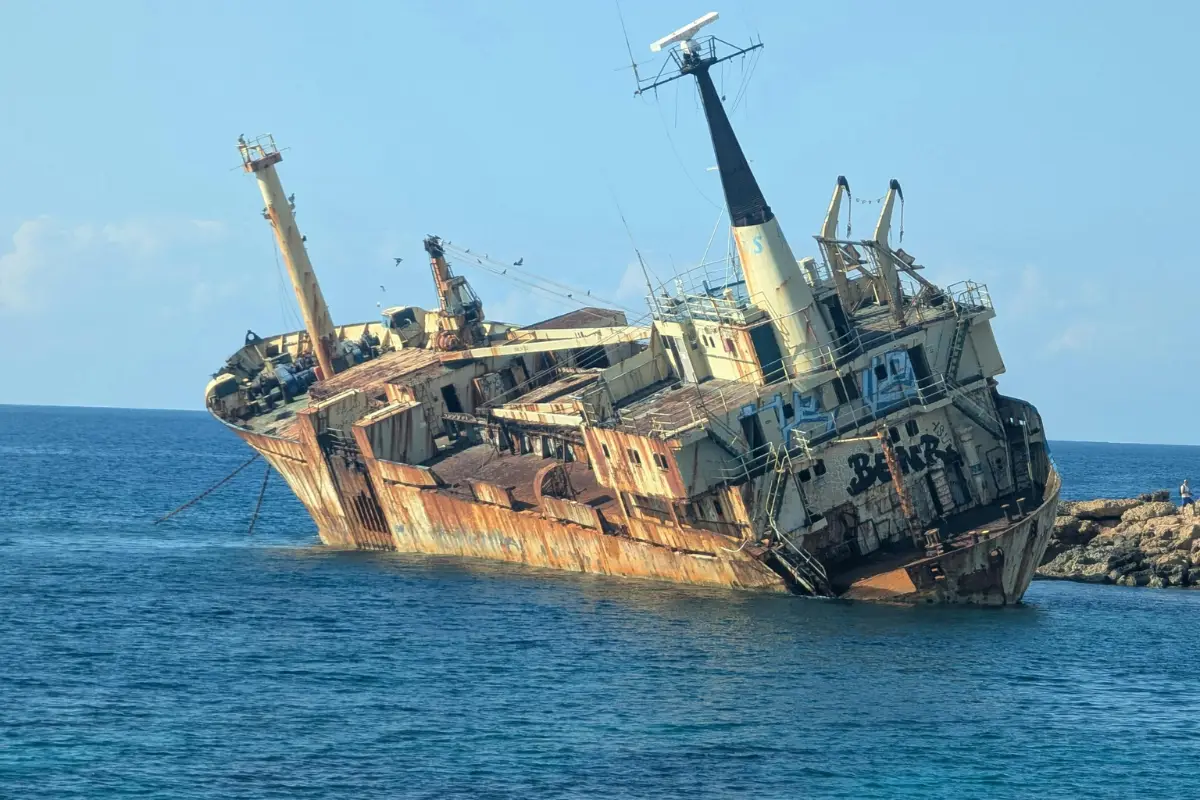
Fortunately, Elena and I were drawn to the Mtentu area through our work managing Mtentu Lodge, tucked right at the edge of the Mtentu River mouth. Being here often pulls me back to childhood, that little spark of wonder you feel when someone tells you to make a wish on a star.
And stay with me here, because this is where my mind goes sometimes. Long before compasses or proper maps existed, sailors crossed whole oceans with nothing but those same stars to guide them. They weren’t wishing on them as we did as kids; they were following them, just like the three wise men in the old stories. I often wonder: were those sailors brave, or just desperate? Adventurous, or simply naive? And how many of them, halfway through a brutal night at sea, wished they’d never set off at all?
This blog isn’t meant to be a list or a guide. Think of it more as a remembrance, a way of honouring the ships that never came back, and the lives that somehow became part of the Wild Coast’s long, restless story. In the bigger picture of South Africa’s coastline, surprisingly few ships were lost specifically along the Wild Coast. But “few” still feels like a lot when you think of what (and who) was lost.
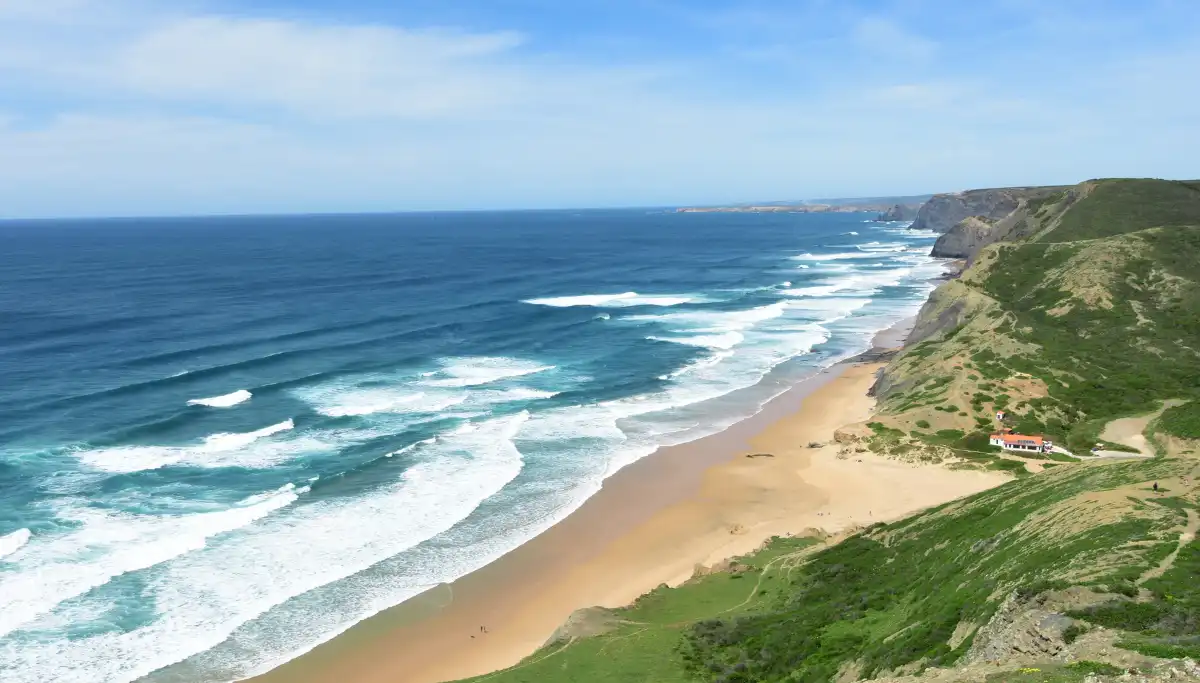
From far away, the Wild Coast looks gentle enough: rolling green hills, quiet winds, cattle wandering right down to the beach. But the sea here has a mind of its own. It’s taken many sailors to Davy Jones Locker, and only a lucky few ever fought their way back to shore.
Table of Contents
The Wild Coast: A Beautiful, Dangerous Border
When you walk along this coastline, especially in the early morning, everything looks innocent.
The black rocks shine as wet cattle hides, and the surf comes in pounding, steady breaths. But the sailors who rounded this shore in wooden caravels or steel-hulled steamers knew it differently: reefs lurking under the milky water, storms that rose without warning, equipment failure, and a shoreline that offered almost no safe harbour.
Local elders say the sea here is like a proud woman: beautiful, unpredictable, and unforgiving when disrespected.
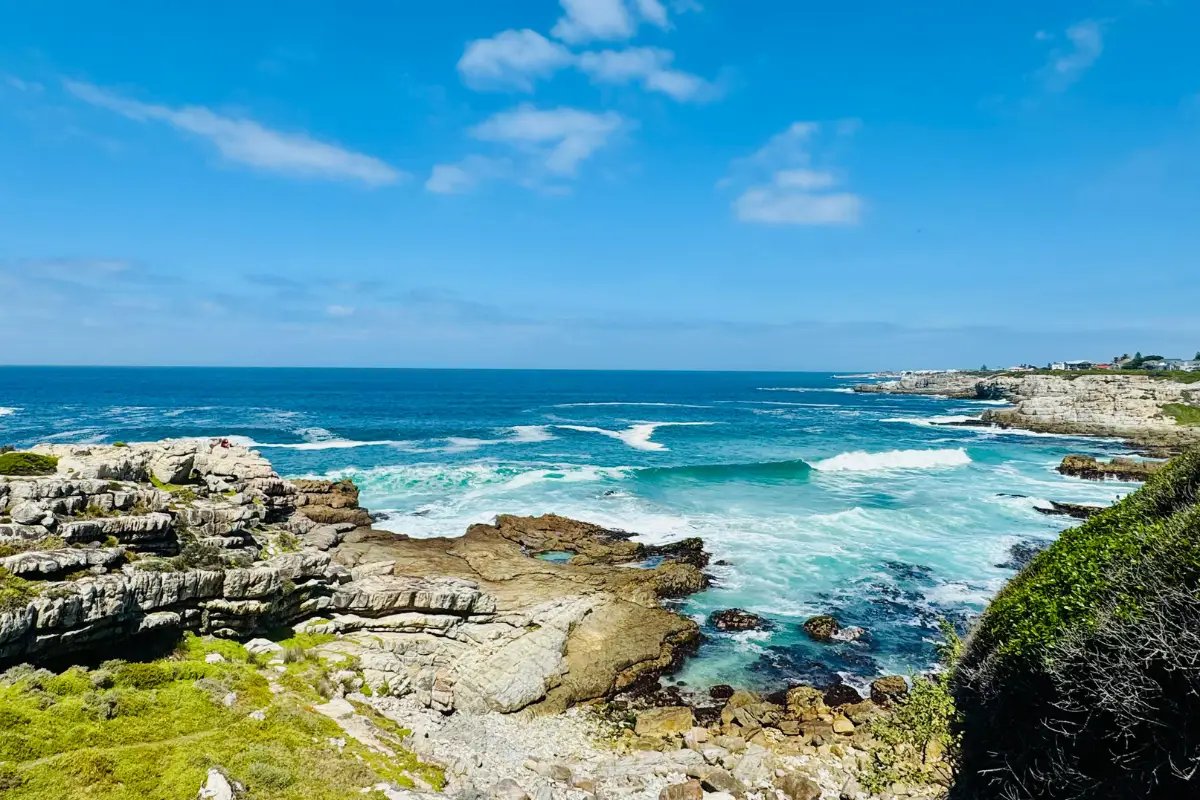
Wild Coast rocky shoreline with white surf crashing over boulders under a blue sky, the unforgiving coastline that has swallowed hundreds of ships
The First Europeans to Fall: Portuguese Wrecks (1505-1686)
These were the early days, long before roads, long before any charts were worth trusting, long before cameras and no GPS.
The Portuguese hugged our coastline on their way to India, and many paid the price for trying.
Historic tall sailing ship with full white sails gliding at golden sunset, evoking Portuguese carracks lost on the Wild Coast route to India
1554 - São Bento
The wrecked ship São Bento was a Portuguese carrack from the mid-16th century, lost in 1554 off the Wild Coast of what is now South Africa, en route from India to Lisbon, carrying spices and luxury goods.
Wrecked at Msikaba, not far from where the Mkambati River sings its way to the sea.
The survivors began a journey north so brutal that people still tell parts of it in whispers.
1593 - Santo Alberto
Lost en route to Portugal after springing a leak in mid-ocean, the nau Santo Alberto is thought to have run aground close to the mouth of the Umtata River, on the east coast of South Africa, in 1593.
Another march through hunger, sickness and unknown lands.
1635 - Nossa Senhora de Belém
The wrecked ship (Our Lady of Bethlehem) was from Portugal, a large cargo ship that sank off the coast of what is now South Africa (Pondoland) in July 1635 while returning from Goa, India, with a cargo of spices, with no lives lost during the wreck itself. The wrecked ship sank in June 1635 off the coast of what is now South Africa, near Port St. Johns. It was carrying goods from India back to Portugal when it sank, with survivors becoming some of the first European residents in the region.
Ran aground at the Mzimvubu River, the same mouth Port St Johns sits beside today.
These old stories remind us how little the world knew about this coast back then… and how little the sea cared.
1642 - SANTO ESPIRITO
A Portuguese galleon carrying cannons and gold coins sank off South Africa's Wild Coast, with artefacts found on the Beach.
British Wrecks (1686-1964): The Longest List of All
You can’t walk half a day on this shoreline without finding the name of a British vessel resting in a village memory.
Classic tall ship under full sail on open blue ocean, representing British vessels that sailed treacherous Wild Coast waters for centuries
1730s - Unknown Vessel (“The Sunburnt Queen”)
The ship that carried the girl who became known as "The Sunburnt Queen" (Bessie 'Gquma') was an unknown English East Indiaman. The specific name of the vessel has been lost to history.
The ship was wrecked in the late 1730s in Lambasi Bay on the Wild Coast of South Africa. Seven-year-old Bessie was the sole white survivor and was adopted by the local amaMpondo people, eventually marrying into the Xhosa royal family, which is the basis for the book The Sunburnt Queen by Hazel Crampton.
1782 - Grosvenor
The wrecked ship was a British East Indiaman. It was on its return voyage to England for the British East India Company from Ceylon (now Sri Lanka) when it ran aground off the Pondoland coast of South Africa in August 1782.
The ship was built in England and was owned by a private individual but operated under charter to the British East India Company. The wreck is one of South Africa's most famous maritime disasters and has been the subject of numerous treasure hunts and books.
Ah, the famous one. Reputed to carry a vast treasure and the Peacock Throne
Children in the villages still grow up with this story.
Many survivors tried to walk north.
Most did not make it.
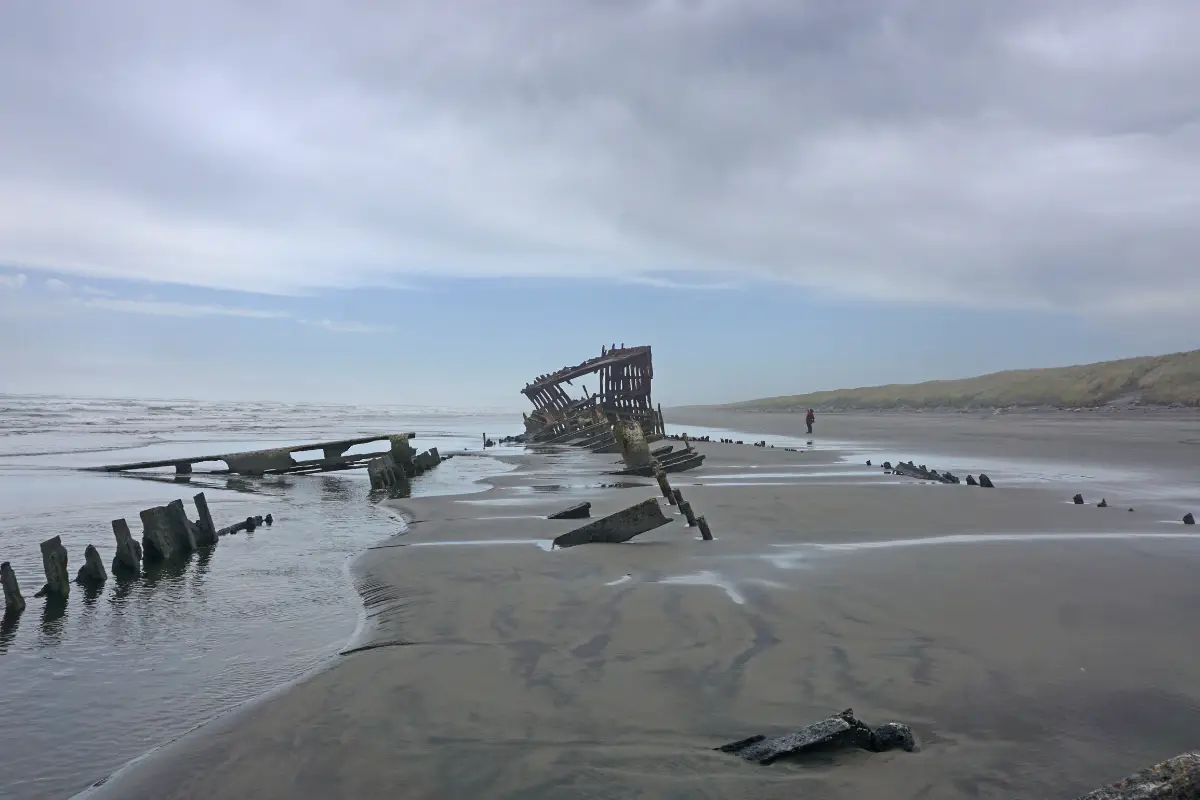
Rusted wooden shipwreck remains half-buried on a wide Wild Coast beach under an overcast sky, slowly claimed by the South African shore
1861 - Alice Smith
The wrecked ship, named the Alice Smith, was a British sailing schooner.
It was wrecked in 1861 at Port St Johns on the east coast of the Eastern Cape, in what is now South Africa.
1873 - William Shaw
The vessel was built in the United Kingdom but was wrecked at the mouth of the Mzimvubu River in Port St. Johns, on the Eastern Cape of South Africa, in 1873
1882 - Adonis
In December 1882, a separate sailing schooner (with some steam capacity), also named Adonis, wrecked in Port St Johns, in the Eastern Cape of what was then the Cape Colony (now part of South Africa). The ship was likely registered in the UK or a British colony.
1887 - Alfredia
This ship, which was wrecked in 1887 near Port St. Johns while carrying sugar, was a British vessel.
While specific information on this particular wreck is limited in the search results, historical accounts of shipwrecks in the Port St. Johns area around that time frequently mention British and Portuguese vessels. The cargo of sugar suggests it was likely a merchant vessel trading in colonial routes. The wreck is part of the extensive and often tragic maritime history of the South African Wild Coast.
1887 - Idomene
The wrecked ship was from the United Kingdom.
The iron sailing vessel was built in 1874 by Oswald & Co. in Pallion, Sunderland, England. It was registered at the Port of Registry in Liverpool, and its first owner was H. Fernie & Sons, also based in Liverpool.
1895 - Fascadale
The wrecked ship was a British vessel registered in Glasgow, Scotland.
The steel, four-masted barque was wrecked on the wild coast.
1909 - The Waratah
The SS Waratah was a British passenger and cargo steamship. It was built in Scotland for a British shipping company to operate between Europe and Australia.
The ship disappeared in July 1909 off the coast of South Africa, with 211 people on board, and no trace of its wreckage has ever been found. Therefore, there is no physical "wrecked ship" from a specific country in terms of the location of the wreck itself, but the ship's origin was the United Kingdom.
The legend of legends. Commonly known as the Ghost Ship of the Wild Coast.
A 9,000-ton passenger steamship that vanished without a trace.
Some nights, when the mist hangs low, folks along Coffee Bay say they’ve seen her ghost lights offshore.
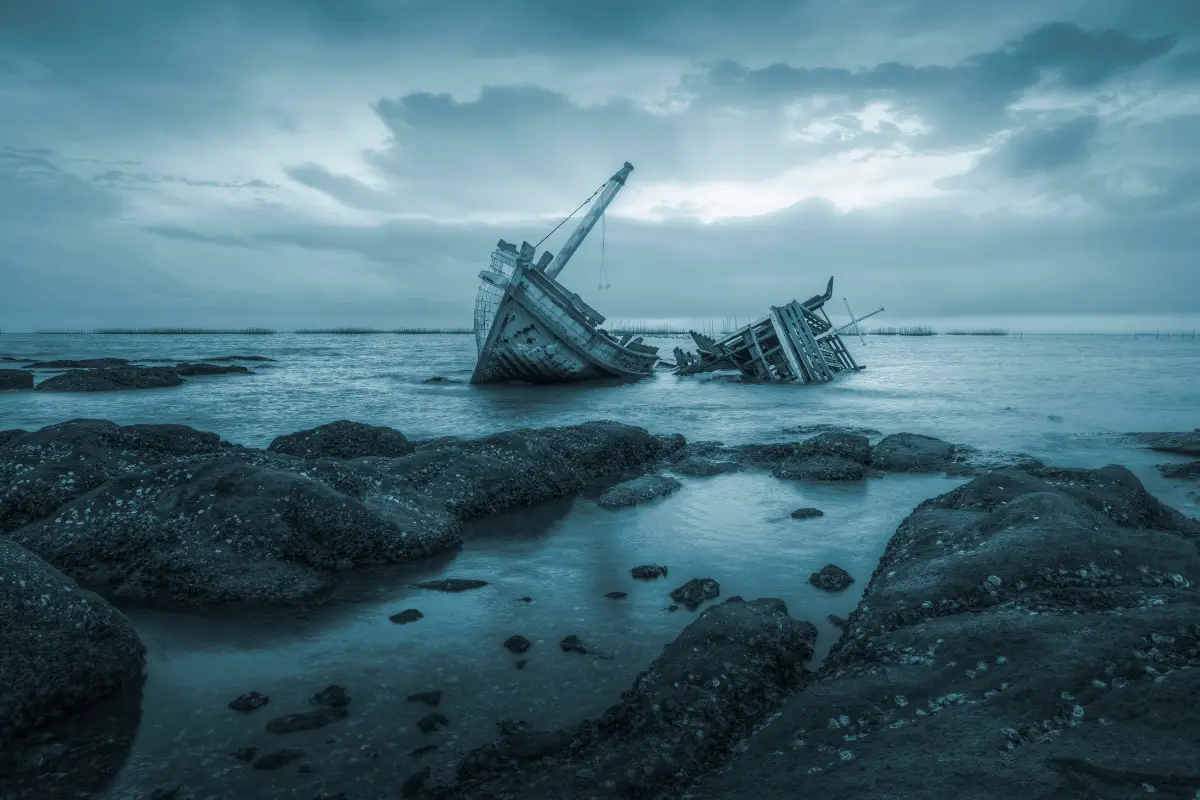
Broken fishing vessel listing on rocky Wild Coast shoreline at dusk, a haunting wreck silhouetted against stormy blue coastal skies
1898 - SS Clan Lindsay
The wrecked ship was a merchant steamship from the United Kingdom.
1917 - SS Orbell
Wrecked in 1917, was a British ship (likely owned/operated by Union-Castle Line, sailing UK routes) that sank while transporting troops from Madagascar to England, a tragic event linked to WWI, with its bell eventually returned to South Africa by the UK government.
1958 - MV Forresbank
The wrecked ship was from the United Kingdom. It was built in Govan, Glasgow, Scotland, and owned by the British shipping company Bank Line Ltd. (A. Weir & Co.) of Glasgow.
The vessel caught fire and was abandoned in November 1958, eventually drifting ashore near the Wild Coast of South Africa, where its remains can still be seen.
German and American Wrecks
1881 - Calcutta
The wrecked ship, which ran ashore on the Wild Coast of South Africa in 1881, was an American sailing schooner.
The ship was wrecked near Twine Point in the Eastern Cape on July 28, 1881, and was battered to pieces by the waves. Thirteen lives were lost in the incident.
1938 - MV Frontier 11
The wrecked ship, built in 1938, is located in South Africa, specifically at Shixini Point on the Wild Coast in the Eastern Cape, making it a well-known local shipwreck site in the country.
1942 - SS Nova Scotia
The wrecked ship was a British steam-powered troop and passenger transport vessel. It was sunk by the German U-boat U-177 on November 28, 1942, off the coast of KwaZulu-Natal (which is near the northern part of the Wild Coast region of South Africa).
The sinking resulted in a heavy loss of life, including 765 Italian prisoners of war, 134 British and South African servicemen, and 118 crew members. Only 192 people survived, many of whom were rescued by the Portuguese frigate NRP Afonso de Albuquerque, dispatched from neutral Lourenço Marques (now Maputo, Mozambique).
A British freighter hit off Port St Johns.
Old timers say the sea shook that night.
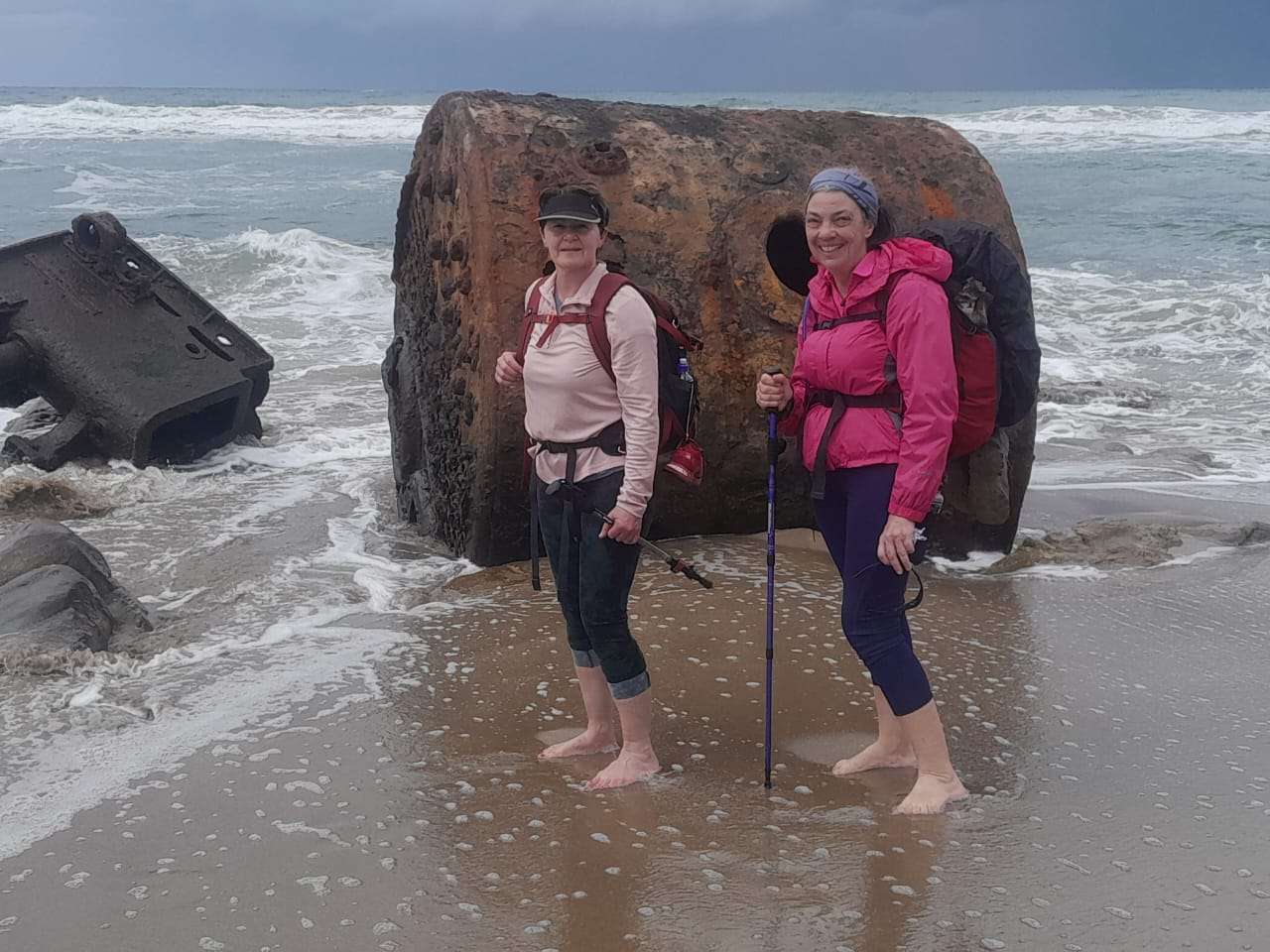
Two hikers standing barefoot beside a massive rusted shipwreck boiler washed ashore on the Wild Coast, South Africa
2004 - BBC China
In 2004, the vessel ran aground off the coast of South Africa. The wreck was subsequently demolished with explosives.
Norwegian, Dutch, and Greek Wrecks
1686 - Stavenisse
Believed to have sunk near Coffee Bay
1943 - Meliskerk
The wrecked ship was a Dutch cargo ship, though it was originally built in Germany.
The vessel ran aground and was lost off the coast of Port St. Johns, South Africa, in January 1943 while transporting war supplies during World War II.
1971 - MV Jacaranda
It was a Greek-owned and Greek-registered freighter. It ran aground off the Wild Coast of South Africa in September 1971.
The ship was a 2,000-ton coaster known as one of the "sugar boats" that delivered sugar along the South African coast. At the time of its wrecking, the vessel suffered engine trouble during strong winds, causing its anchors to drag and eventually leaving it stranded near Qolora Mouth, South Africa.
Many hikers visit her now. She feels more like a landmark than a disaster.
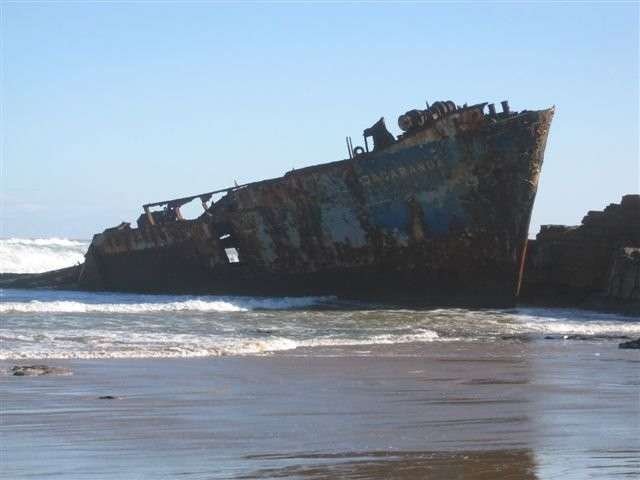
Rusted hull of the MV Jacaranda shipwreck stranded on the Wild Coast shore, Eastern Cape South Africa
The Last of the List: Mixed and Modern Wrecks
1829 - L'Eole
The wrecked ship l'Eole was a French vessel from Bordeaux, France.
It was owned by Mr. de Launay and under the command of Captain Videt when it was shipwrecked on the Wild Coast of South Africa on April 12, 1829, during a return voyage from Calcutta to France.
The story of the survivors' journey through the Eastern Cape to safety in Cape Town was detailed in a famous narrative written by Charles-Etienne Boniface, likely the first book printed in French in the Cape.
1964 - Weolmi 303
The wrecked ship "Weolmi" was a North Korean tuna trawler.
The vessel, also known as the Weolmi 303, ran aground off the coast of Mkambati, South Africa. Its rusted remains are still a visible attraction today.
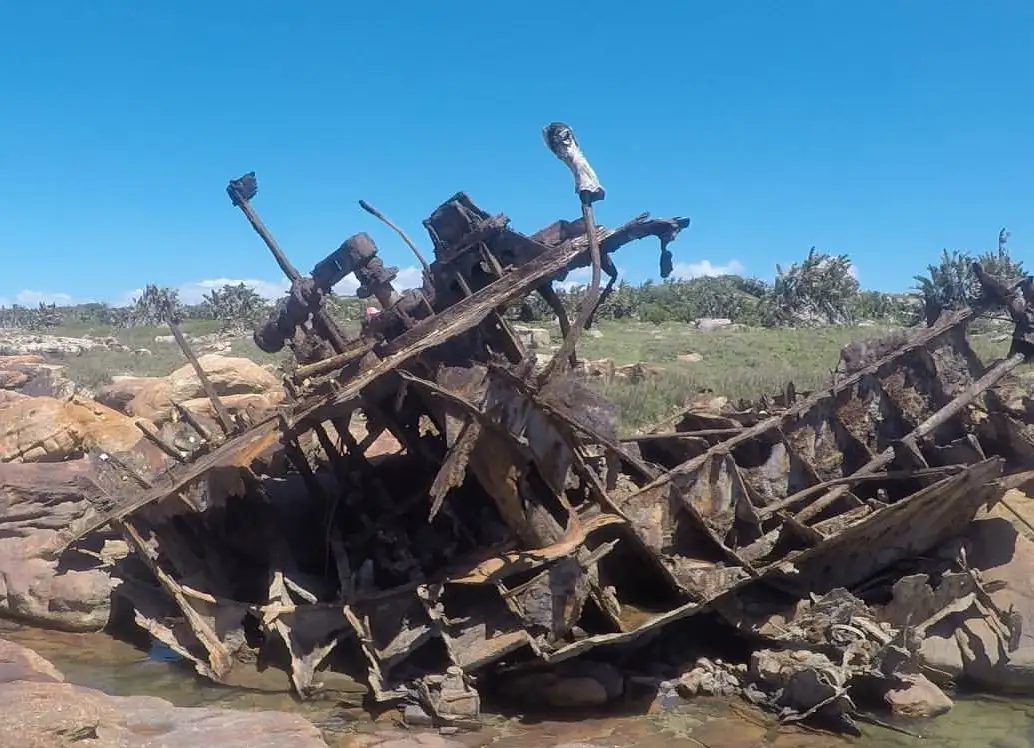
Rusted twisted hull of the Weolmi shipwreck collapsed on rocks at Mkambathi, Wild Coast, Eastern Cape
1967 MV Horizon
The wrecked ship, from 1967, was a South African cargo vessel that sank off the coast of South Africa, near Port St. Johns, and was known for a significant salvage operation afterwards.
1991 - Oceanos
It was a French-built, Greek-owned cruise ship that sank off the coast of South Africa in 1991.
She sank off Coffee Bay, and every single person was rescued by helicopter, orchestrated by the South African Navy.
The one people still talk about. When the Captain, with his whole crew, skedaddled, abandoning all their passengers to their own fate. Fortunately, the entertainment staff assisted and brought a bit of sanity back to the bewildered passengers.
I’ve met men who watched the choppers whirring across the sky.
They say it felt like watching a miracle unfold.
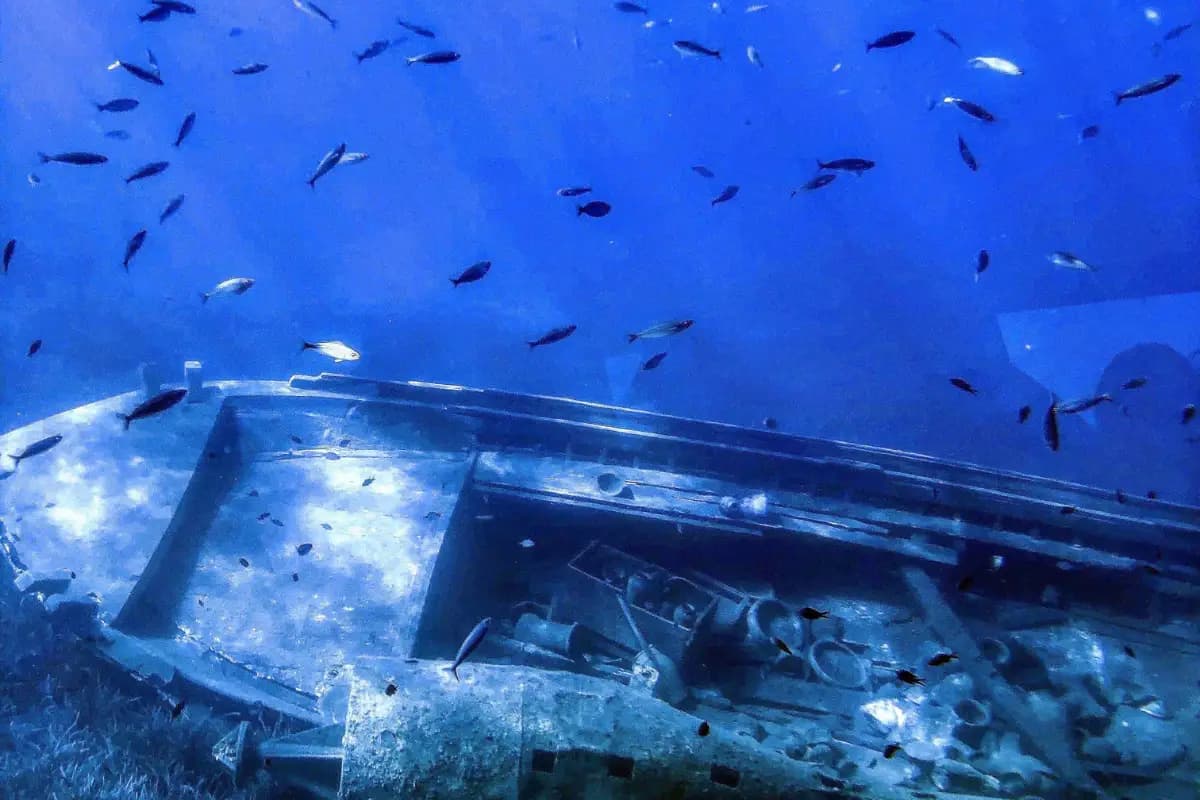
Underwater view of a sunken shipwreck on the seabed surrounded by shoals of small fish in deep blue South African coastal waters
1995 - USS VOYAGER
This ship, USS Voyager (NCC-74656), has not sunk yet and is apparently doing very well in Star Trek. Live long and prosper.
FAQs
What is the Wild Coast's most famous shipwreck?
The Grosvenor, a British East Indiaman that ran aground off the Pondoland coast in 1782, is the most famous, reputed to carry a vast treasure and the Peacock Throne, and the subject of numerous treasure hunts. Running it close is the SS Waratah, the "Ghost Ship of the Wild Coast", which vanished in 1909 with 211 people aboard and has never been found.
What was the earliest recorded shipwreck on the Wild Coast?
The earliest wrecks were Portuguese, dating back to the 1500s. The São Bento, a Portuguese carrack lost at Msikaba in 1554 while carrying spices and luxury goods from India to Lisbon, is among the oldest still remembered.
Can you still see shipwrecks on the Wild Coast today?
Yes. The MV Jacaranda, a Greek freighter stranded near Qolora Mouth in 1971, is now more a landmark than a disaster and is visited by many hikers. The rusted remains of the Weolmi 303, a North Korean tuna trawler wrecked off Mkambati in 1964, are also still a visible attraction.
What happened to the Oceanos?
The Oceanos was a French-built, Greek-owned cruise ship that sank off Coffee Bay in 1991. Every single person aboard was rescued by helicopter in an operation orchestrated by the South African Navy, even after the captain and crew abandoned ship ahead of the passengers.
---
A Coastline That Remembers
While I sit on the rocks at Mtentu mouth and gaze at the seemingly peaceful, slumbering sea, surging in regular waves, marching to the shore, I marvel at the inventiveness and fortitude of the human race. Why? Why risk life and limb to see foreign shores? For King and country, or for fame and fortune? No, only because they could! Again, one can only admire the absolute bravery shown by those early explorers.
Centuries ago, strangers washed up on these very shores, exhausted, desperate for fresh water, kindness, and a path back to the world they knew.
Today, hikers wander these same stretches of sand, often unaware of the footsteps beneath their own. Those souls had no idea where their steps were taking them, or if they would ever see home again.
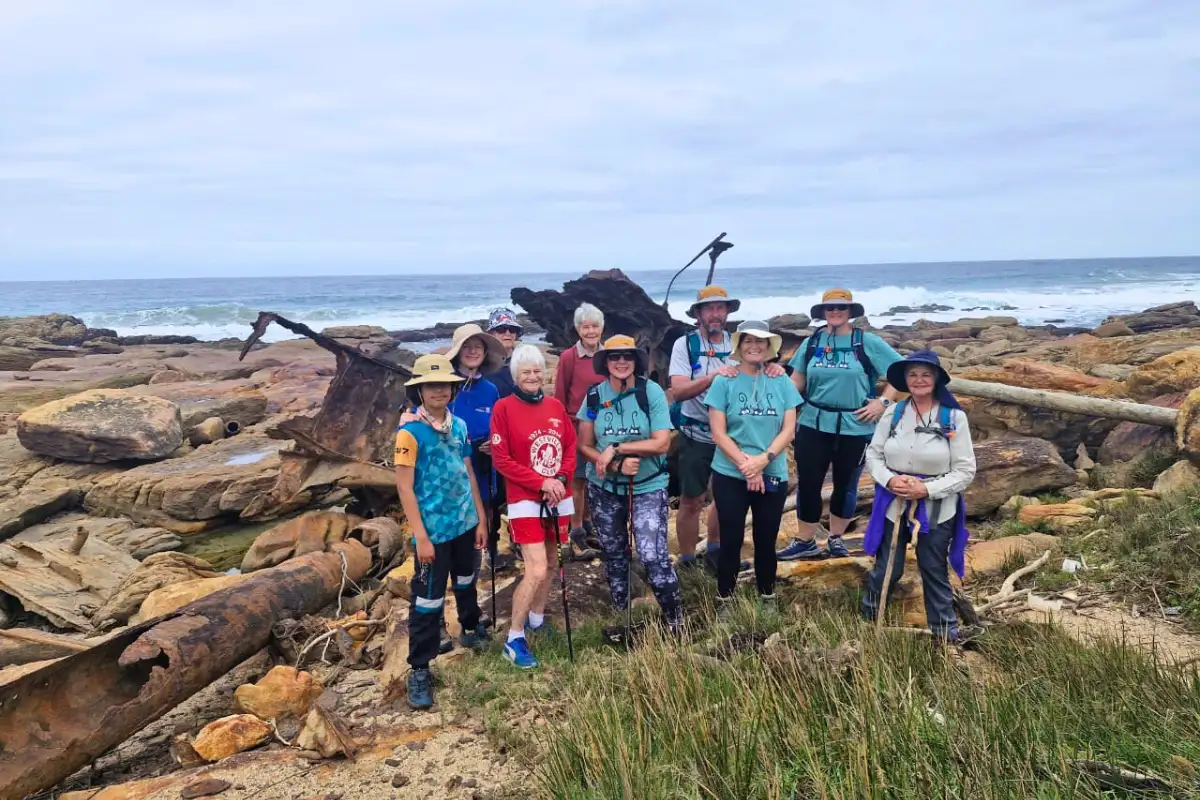
Mtentu Ramble hikers gathered beside rusted shipwreck remains on a rocky Wild Coast shoreline, South Africa
So when you make your way along this wild, wonderful coastline, tread lightly.
Listen to the waves. The lost souls are sometimes audible
And remember that the sea keeps its own stories, but the land holds the remains in long-forgotten cemeteries.
If you enjoyed this story, you might also like The Wild Coast's First Hikers: San People, Shipwreck Survivors and the Trails They Left Behind.
Ready to Experience This Yourself?
The Wild Coast is waiting. Book your guided hike with Mtentu Ramble and create memories that will last a lifetime.