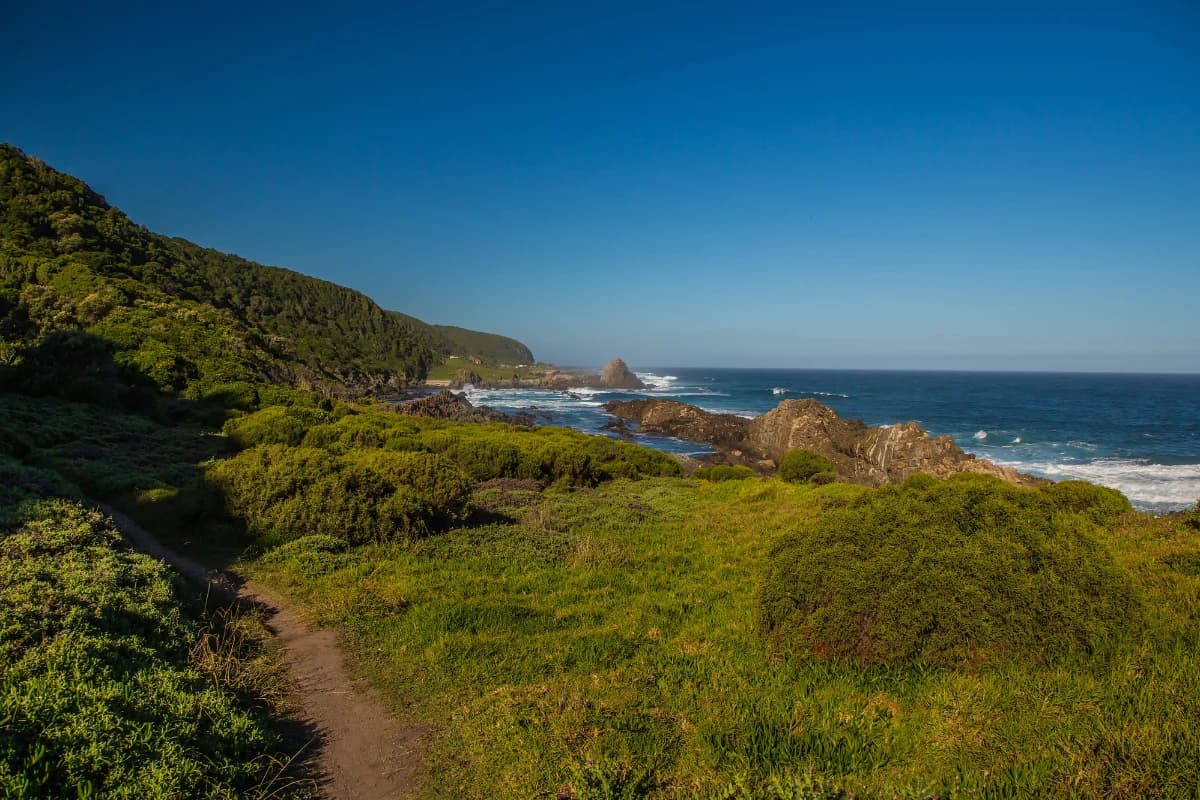
Best Time to Hike the Wild Coast, South Africa
The Wild Coast can be hiked year-round, but each season offers a completely different experience. Here's an honest guide to choosing the right time for your trip.
 Allan Hein4 June 2026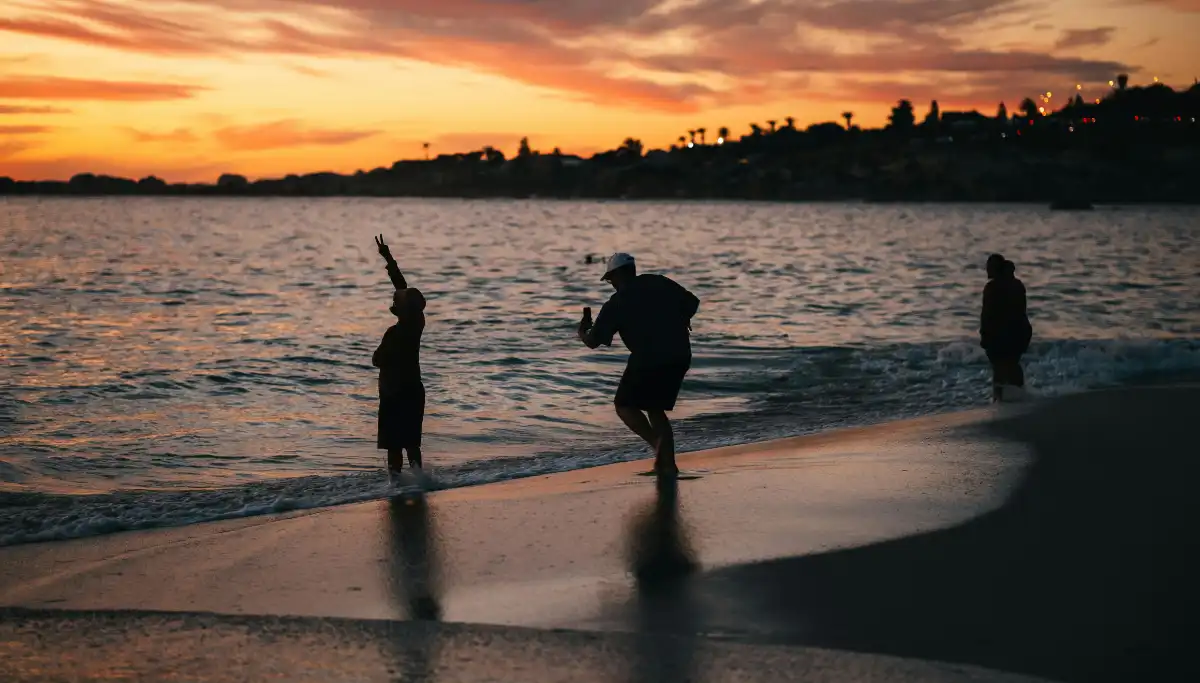
One of the questions I get most often is when to come. And my honest answer is that there isn't a bad time to hike the Wild Coast, but there are times that suit different people better than others.
I've walked this coastline in every season. Rain-soaked January mornings when the rivers were running full and the waterfalls were thundering. Cold, clear June days when you could see for fifty kilometres and the humpback whales were moving north. Warm April afternoons when the light on the red dunes looked like nothing else on earth. Each season has something the others don't.
What follows is a practical breakdown so you can choose the time that suits you best.
The Short Answer
You can hike the Wild Coast year-round, but autumn (March to May) suits most people best: the summer rains have eased, the rivers are calm and crossable, and daytime temperatures sit around 20 to 26 degrees. Winter brings whales and the clearest skies, while summer is lush, warm, and wet.
Table of Contents
- The Short Answer
- What Is the Weather Like on the Wild Coast?
- Autumn: March to May
- Winter: June to August
- Spring: September to October
- Summer: November to February
- Best Season for Different Types of Hikers
- How Far in Advance Should You Book?
- What About River Crossings?
- What Wildlife Can You See by Season?
- FAQs
What Is the Weather Like on the Wild Coast?
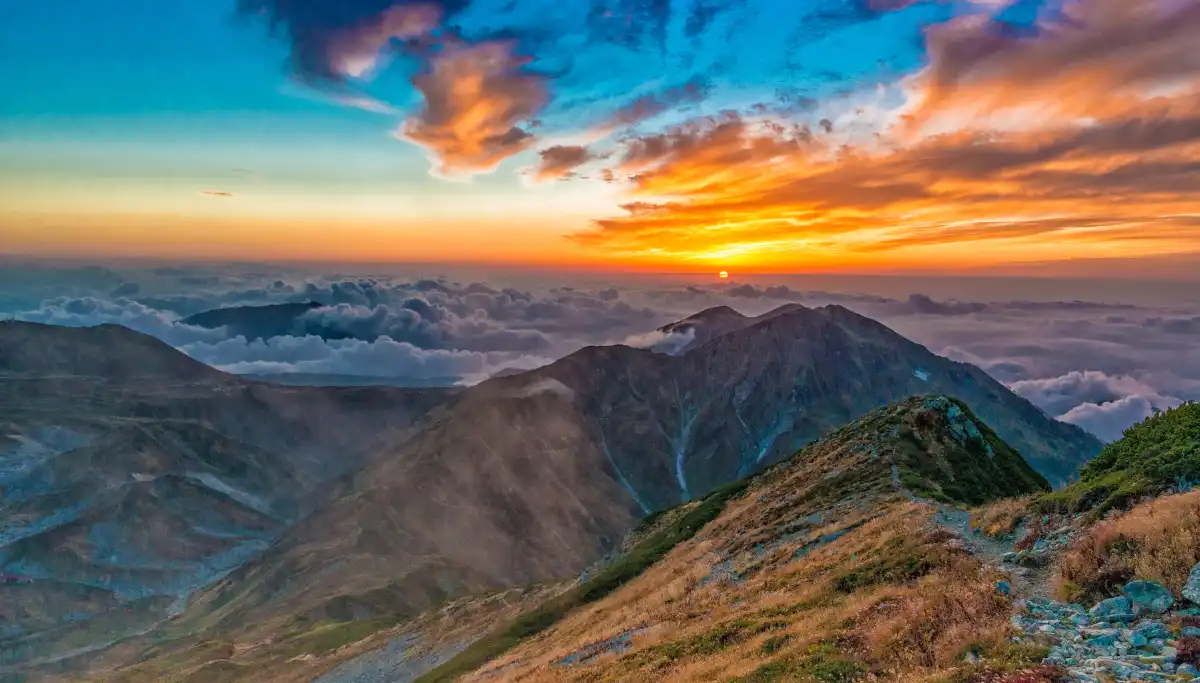
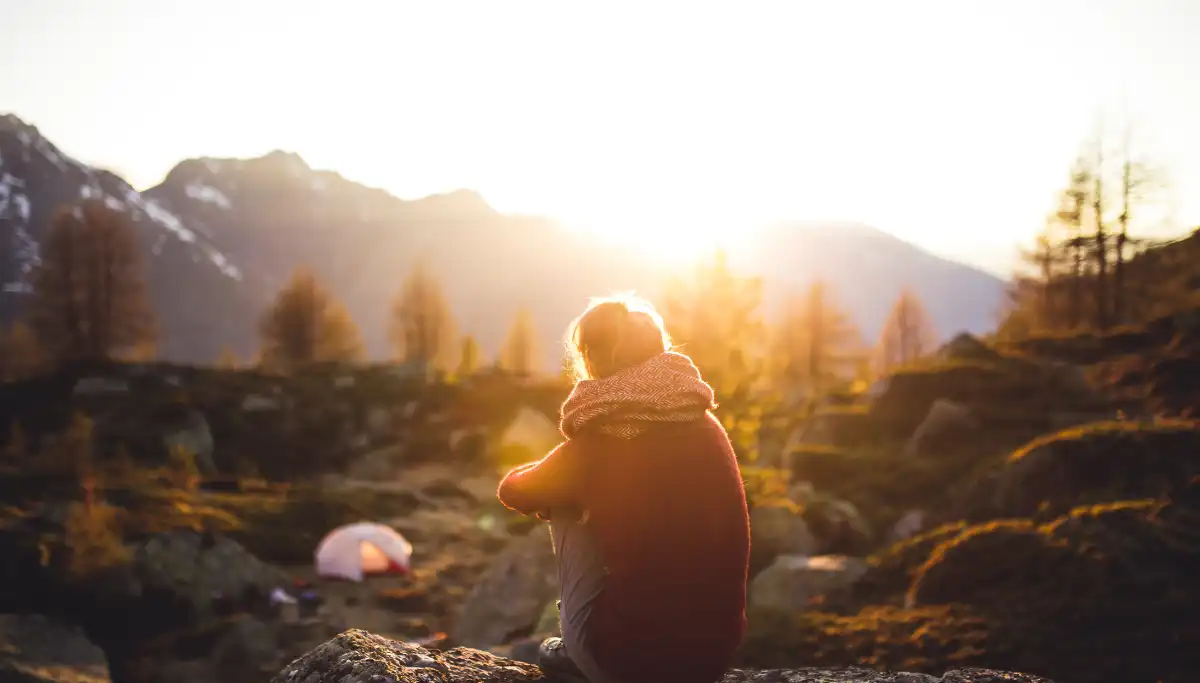
Vivid orange sunrise over mountain ridgeline, ideal conditions for early morning hiking in South Africa
The Wild Coast sits in the Eastern Cape, which has a subtropical coastal climate. What that means in practice: warm to hot summers with afternoon rain, mild winters that are mostly dry, and two shoulder seasons, autumn and spring, that are genuinely excellent for hiking.
There's no monsoon season to avoid, no extreme cold, and no period when the trail is closed. We run departures every month of the year. But conditions do vary, and knowing what to expect helps you pack right and arrive with the right expectations.
Autumn: March to May
In a word: excellent.
Autumn is the season I'd recommend to most people, most of the time. The summer rains have eased off, the rivers are calming down, the vegetation is lush and green from the wet season, and the temperatures are perfect for walking.
What to expect:
- Daytime temperatures: 20 to 26 degrees
- Evenings: comfortably cool, good sleeping weather
- Rain: occasional, but not the daily afternoon storms of summer
- Rivers: higher than winter but manageable and crossable
- Crowds: low
The light in autumn on the Wild Coast is something photographers talk about. The air is clear after the summer rains, the dunes are at their reddest, and the golden afternoon light on the coastline is as good as it gets.
Easter falls in this window most years, which makes it a popular time for South African hikers to get away. If you're planning around Easter, book ahead.
See autumn departures on the Mtentu Ramble →
Winter: June to August
In a word: crisp and clear.
Winter on the Wild Coast is not what most people expect. There's no snow, no dangerous cold, and very little rain. What you get instead is clear skies, exceptional visibility, and some of the best wildlife watching of the year.
What to expect:
- Daytime temperatures: 16 to 22 degrees
- Evenings: cool to cold. Bring a warm layer for around the fire
- Rain: minimal, this is the dry season
- Rivers: at their lowest, crossings are easiest
- Crowds: low
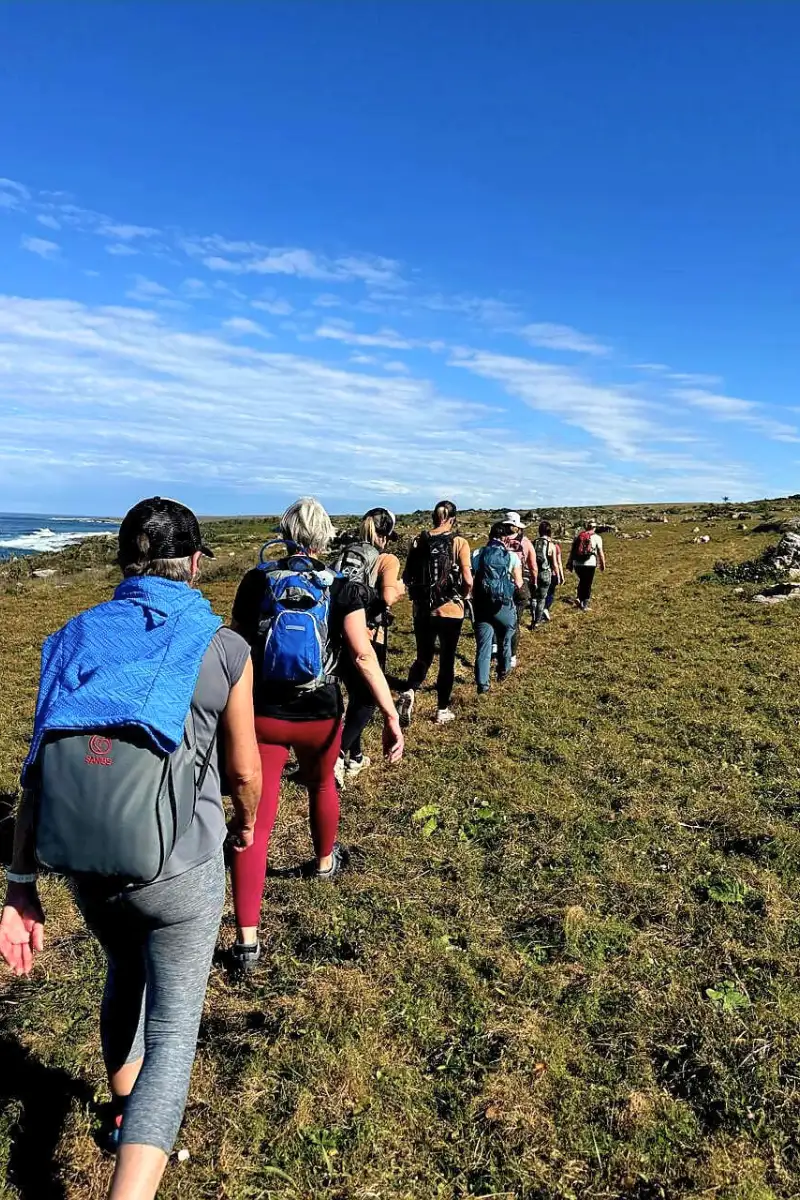
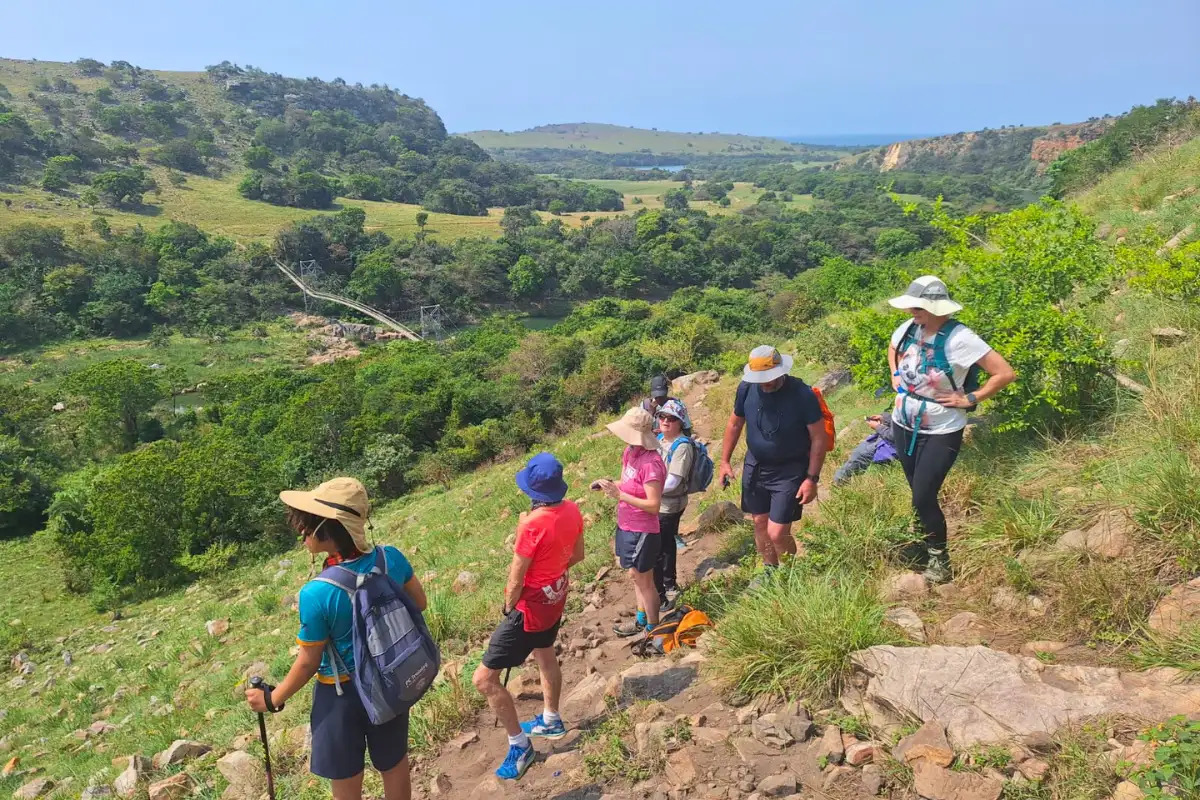
Long line of hikers in single file along a Wild Coast clifftop trail with the Indian Ocean stretching behind them
Winter is whale season. From June through August, humpback whales migrate north along this coastline in large numbers, often passing close to shore. On a clear winter morning, you can watch them from the beach while you're drinking your coffee. It's one of those experiences that makes the Wild Coast genuinely hard to explain to people who haven't been.
The cold at night is real. Around the fire after a day's hiking it's perfectly comfortable, but pack a proper warm layer for the evenings.
The sardine run also happens in June and July, when billions of sardines move up the coast followed by sharks, dolphins, and diving gannets. If you're lucky with the timing, it's one of the greatest natural spectacles in South Africa.
Spring: September to October
In a word: beautiful.
Spring on the Wild Coast is one of its best-kept secrets. The dry winter gives way to warmth, the vegetation starts greening up again, temperatures climb to a comfortable hiking range, and the coastline is quiet before the summer visitors arrive.
What to expect:
- Daytime temperatures: 20 to 27 degrees
- Evenings: warm and pleasant
- Rain: picking up toward October but still mostly dry
- Rivers: low to moderate, easy crossings
- Crowds: very low
Spring is when the coastal wildflowers come through and the birdlife is at its most active. The sea starts warming up again, making it good swimming weather by October.
If you want the Wild Coast largely to yourself, spring is a strong choice. The trail is quiet, the weather is kind, and everything feels like it's just waking up.
Summer: November to February
In a word: warm, green, and wet.
Summer is the lush season. The vegetation is thick and intensely green, the rivers are full, the waterfalls are at their most dramatic, and the Indian Ocean is warm enough to swim in properly. It's also when afternoon thunderstorms are a near-daily event.
What to expect:
- Daytime temperatures: 26 to 33 degrees
- Evenings: warm and humid
- Rain: heavy afternoon thunderstorms, often spectacular
- Rivers: high and fast, crossings require more caution
- Crowds: moderate, higher over December and January school holidays
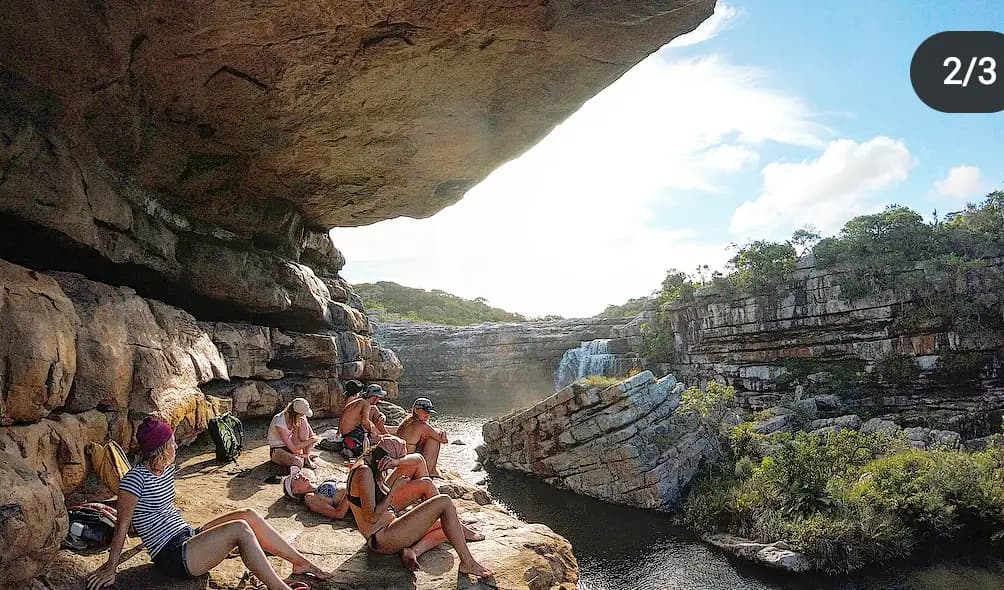
Hikers resting on rocks beneath a cave overhang watching Strandloper Falls cascade on the Wild Coast, South Africa
The waterfalls at Mtentu are at their most impressive in summer. Horseshoe Falls, Strandloper Falls, and Mkhambathi Falls are all running full, and the river crossings, while requiring more care, are part of what makes the summer trail memorable.
The heat can be tiring on long trail days, so early starts are worth it in summer. We plan accordingly. The payoff is evenings that are warm enough to sit outside until late, the sound of rain on the roof, and a Wild Coast that's impossibly green.
December and January are popular with South African families. If you're flexible on dates, go early December or late January to avoid the school holiday peak.
Best Season for Different Types of Hikers
| Type of Hiker | Best Season |
|---|---|
| First-time multi-day hikers | Autumn (March to May) |
| Whale and wildlife watchers | Winter (June to August) |
| Photographers | Autumn or Winter |
| Families with children | Spring or early Summer |
| Swimmers | Summer (Nov to Feb) |
| Budget-conscious (fewer flights) | Winter or Spring |
| Those who hate crowds | Any time except Dec/Jan |
How Far in Advance Should You Book?
Three to six months for a peak-season date, and as little as a few weeks if you are flexible.
The honest answer depends on which end of the year you want. April, May, June and July are the months people ask for most, and those dates go first, so if your leave is fixed and you are travelling from overseas, three to six months out is sensible. Groups of four or more should add a bit more margin, because we run small departures and a group can fill one on its own.
Outside that window there is usually more room, and we do take late bookings. If you can travel at short notice and you do not mind which week you walk, you can often be on the trail within a month.
The one thing worth booking early regardless of the season is your international flight, which is where the real money is and where waiting genuinely costs you. See what to budget for a South Africa hiking holiday. Current departure dates are here.
What About River Crossings?
The Mtentu Ramble includes several river crossings, and the season affects how these go.
Summer and early autumn: Rivers run high. Crossings are more involved and more exciting. Our guides assess every crossing before you attempt it, and we use kayaks where conditions require it.
Winter and spring: Rivers are at their lowest. Most crossings are straightforward wades. Easier logistics, but less dramatic.
Both are good experiences in different ways. The summer crossings are more of an adventure. The winter crossings are simpler. Either way, our guides make the call and nobody goes anywhere they shouldn't.
See also: Is the Wild Coast Safe for Tourists? →
What Wildlife Can You See by Season?
The Wild Coast has wildlife throughout the year, but certain things are only possible at certain times.
Humpback whales (June to August): Moving north along the coast. One of the best whale-watching experiences in South Africa, and you're watching from a beach with no one else on it.
Sardine run (June to July): Billions of sardines, plus the sharks, dolphins, and gannets that follow them. Not guaranteed, but when it happens it's extraordinary.
Dolphins: Year-round. Common bottlenose and spinner dolphins are a regular sight in the bay and from the headlands.
Sea turtles (November to February): Loggerhead and leatherback turtles nest on Wild Coast beaches in summer. Rare, but memorable if you see one.
Coastal birdlife: Year-round, but spring and summer are most active. The African fish eagle, various kingfishers, and the rare Cape parrot are among the species our guides can point out.
See also: Wildlife to Watch For on the Wild Coast Trails →
FAQs
Can I hike the Wild Coast in the rain?
Yes. The trail runs regardless of light rain. Heavy storms mean an early dinner and a good fire rather than a miserable slog. Our guides know when to move and when to wait. Summer hiking means accepting that some rain is part of the experience, and it usually adds to it rather than ruining it.
What should I pack for winter hiking?
A warm mid-layer and a windproof jacket for evenings and mornings. The days warm up quickly once the sun is up, so layers you can add and remove are more useful than one heavy coat. Full packing list here: What to Pack for a Multi-Day Hike in South Africa →
Is December a good time to go?
Early December yes, mid-to-late December gets busy and hot. If you're flexible, the first two weeks of December give you warm weather and summer conditions without the school holiday crowds.
---
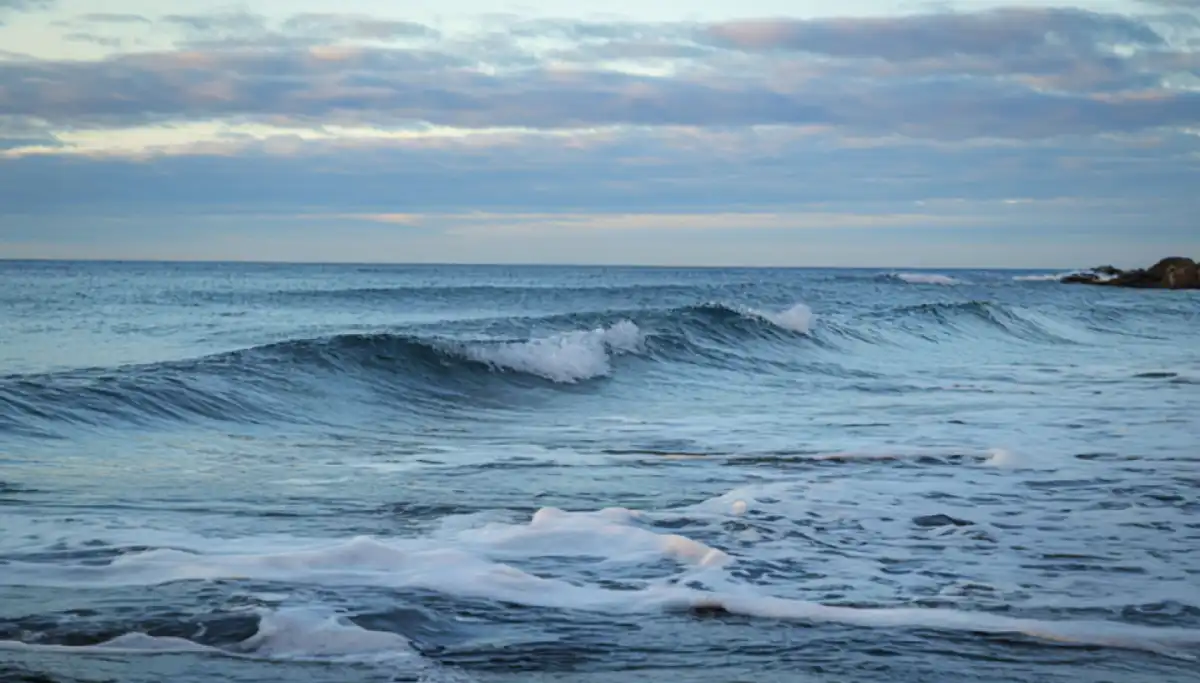
Rolling Indian Ocean waves breaking on the Eastern Cape Wild Coast shoreline at dusk
Whatever time of year you come, the Wild Coast will surprise you. The coastline doesn't really have an off season. It just changes character. And honestly, half the people who come in what they thought was the wrong season end up saying it was perfect.
We have departures throughout the year. Find the dates that work for you.
Deciding between the Wild Coast and another South African trail? Read: Mtentu Ramble vs the Otter Trail →
Planning the whole trip? Read: The Complete Guide to the Wild Coast → | What to Budget for a South Africa Hiking Holiday →
Ready to Experience This Yourself?
The Wild Coast is waiting. Book your guided hike with Mtentu Ramble and create memories that will last a lifetime.