The Complete Guide to the Wild Coast, South Africa
Everything you need to know about South Africa's Wild Coast: where it is, when to go, what to see, how to get there, and why this stretch of the Eastern Cape stays wilder than anywhere else in the country.
 Allan Hein9 July 2026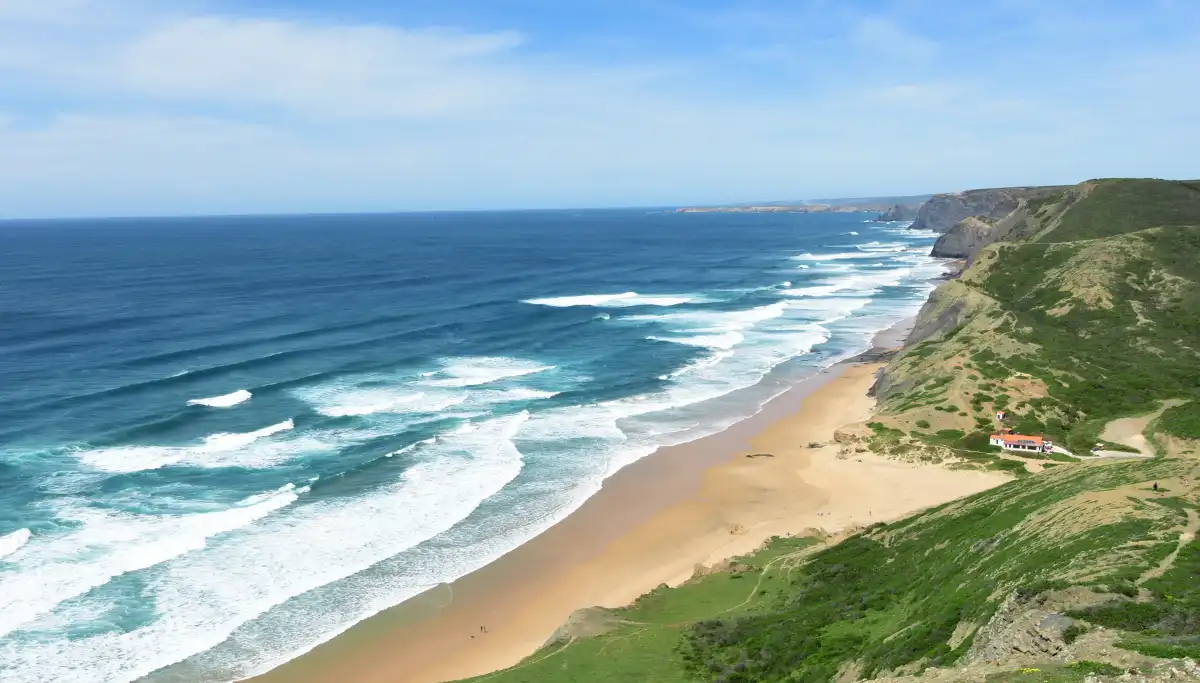
I have lived on this coast for the better part of twenty years, and I still meet South Africans who have never been here. Not because it is hard to reach, though it takes some effort. Because it never got developed the way the rest of the country's coastline did, so it never got famous the way the Garden Route did.
That is the whole story of the Wild Coast in one sentence. The road builders and the hotel chains went elsewhere, and what got left behind is roughly 250 kilometres of the most unspoilt coastline in South Africa.
This is the guide I wish I could hand to everyone who writes to us asking what the Wild Coast actually is. Where it starts, when to come, what you will see, and what it costs.
The Short Answer
The Wild Coast is a roughly 250 km stretch of undeveloped Eastern Cape coastline between the Great Kei and Mtamvuna rivers. There is no coastal road, so you reach it on foot. Expect empty beaches, river gorges, Pondo villages, and some of South Africa's wildest scenery.
Table of Contents
Where Is the Wild Coast?
The Wild Coast is the stretch of Eastern Cape coastline running roughly from the Great Kei River in the south to the Mtamvuna River in the north, where the Eastern Cape meets KwaZulu-Natal. That is about 250 kilometres of shoreline, depending on how you measure a coast that refuses to run in a straight line.
Under apartheid this region was the nominally independent homeland of the Transkei, and you still hear people use that name. The northern portion, where we walk, is Pondoland: the historic land of the amaMpondo people.
The practical geography matters more than the political history. There is no coastal road. The N2 highway runs inland, and every village, beach, and river mouth on this coast sits at the end of its own spur road, often gravel, sometimes barely that. You do not drive along the Wild Coast. You drive down to a piece of it, and then you walk.
That single fact explains almost everything else about the place.
Why Is It Called the Wild Coast?
Two reasons, and both are true: the ships this coast has wrecked for five centuries, and how undeveloped it has stayed.
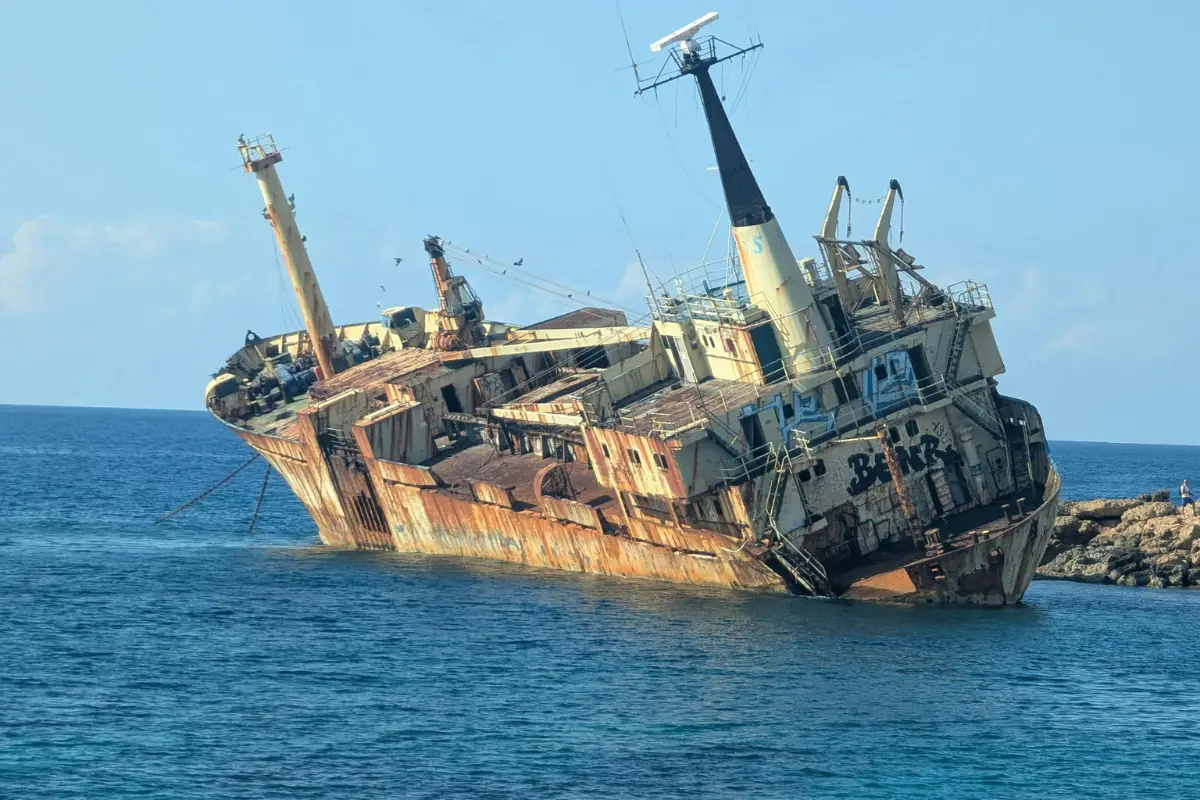
The first is the shipwrecks. This coastline has been eating ships for five hundred years. The Agulhas current runs hard down the coast, and when a southwesterly buster blows against it, the sea stands up into freak waves that have broken vessels far larger than anything the Portuguese ever sailed. The wrecks are still out there, and some are still visible from the beach. We walk past rusting hulls on the Mtentu Ramble. If that history interests you, we wrote about the shipwrecks of the Wild Coast in detail.
The second is that it stayed wild. No coastal highway, no strip development, no high-rise. Cattle on the beach. Villages of round thatched rondavels scattered across green hills that drop straight into the Indian Ocean. It looks, in places, exactly as it looked a century ago.
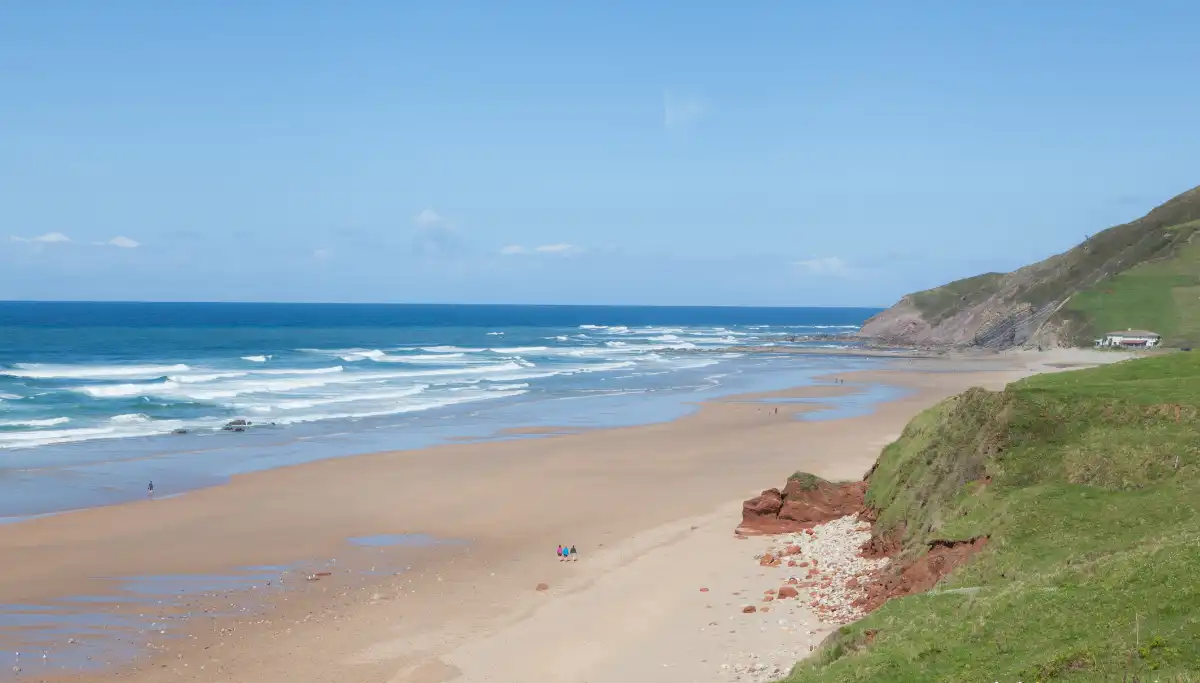
Wild Coast beach with dramatic cliffs and green headland, Eastern Cape South Africa
What Is the Wild Coast Like?
Subtropical, green, and remarkably undeveloped. Three things define it: the landscape, the people who live on it, and the wildlife.
The Landscape
The Wild Coast is subtropical, and it is greener and wetter than most visitors expect from South Africa. This is not the fynbos and dry scrub of the Cape. Think rolling grassland hills, patches of dense indigenous forest in the ravines, and rivers that carve deep gorges on their way to the sea.
The signature features:
River mouths and estuaries. Dozens of rivers reach the sea along this coast, each one opening into an estuary where you can swim, kayak, or fish. The Mtentu River gorge is among the most dramatic.
Endless beaches. Long, wide, and frequently completely empty. You can walk for an hour without seeing a footprint that is not your own. We wrote about the beaches around Mtentu specifically.
Waterfalls into the sea. Pondoland has waterfalls that drop straight onto the beach or into the ocean. Mkambati Falls, Strandloper Falls, Horseshoe Falls. There is a whole guide to the waterfalls around Mtentu.
Red dunes. Iron-rich sand dunes that glow deep red in low light and look like they have been imported from another continent. See the red sand dunes at Mtentu.
Sandstone cliffs and caves. The Msikaba sandstone formations create overhangs, caves, and rock pools. The Jacuzzi Hole is one of them, and it is exactly as good as it sounds.
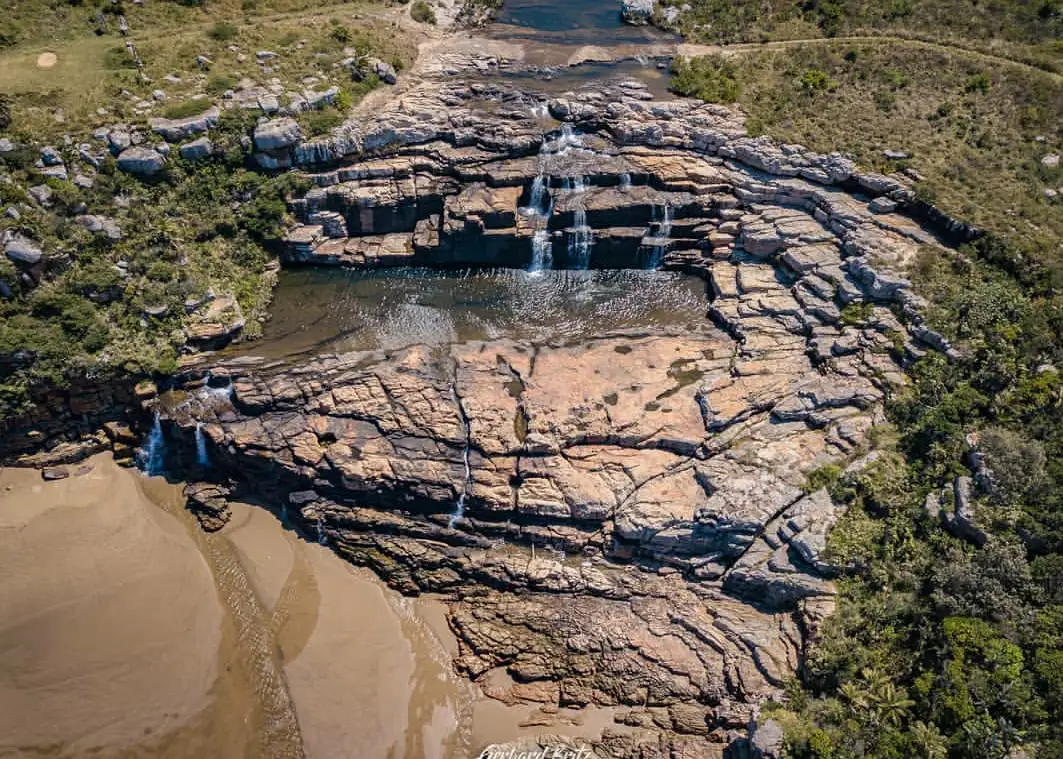
Aerial view of Mkambati Falls cascading over flat sandstone shelves into a sandy gorge, Eastern Cape
The People and the Culture
The Wild Coast is home to the amaMpondo and amaXhosa people, and unlike much of South Africa's coastline, it is lived on rather than holidayed on. The villages are working villages. The cattle on the beach belong to someone.
This is the part of a Wild Coast trip that surprises people most. You come for the scenery, and what you talk about afterwards is the evening you spent in someone's kitchen.
If you want to understand what you are walking through:
- What a Xhosa homestay is actually like
- Traditional cuisine in Pondoland — umngqusho, potjie, and what you will actually be fed
- A short language guide to Xhosa and Pondo — learn six words and watch what happens
- The Wild Coast's first hikers — the Strandlopers who walked this coast long before us
- How tourism supports local communities here
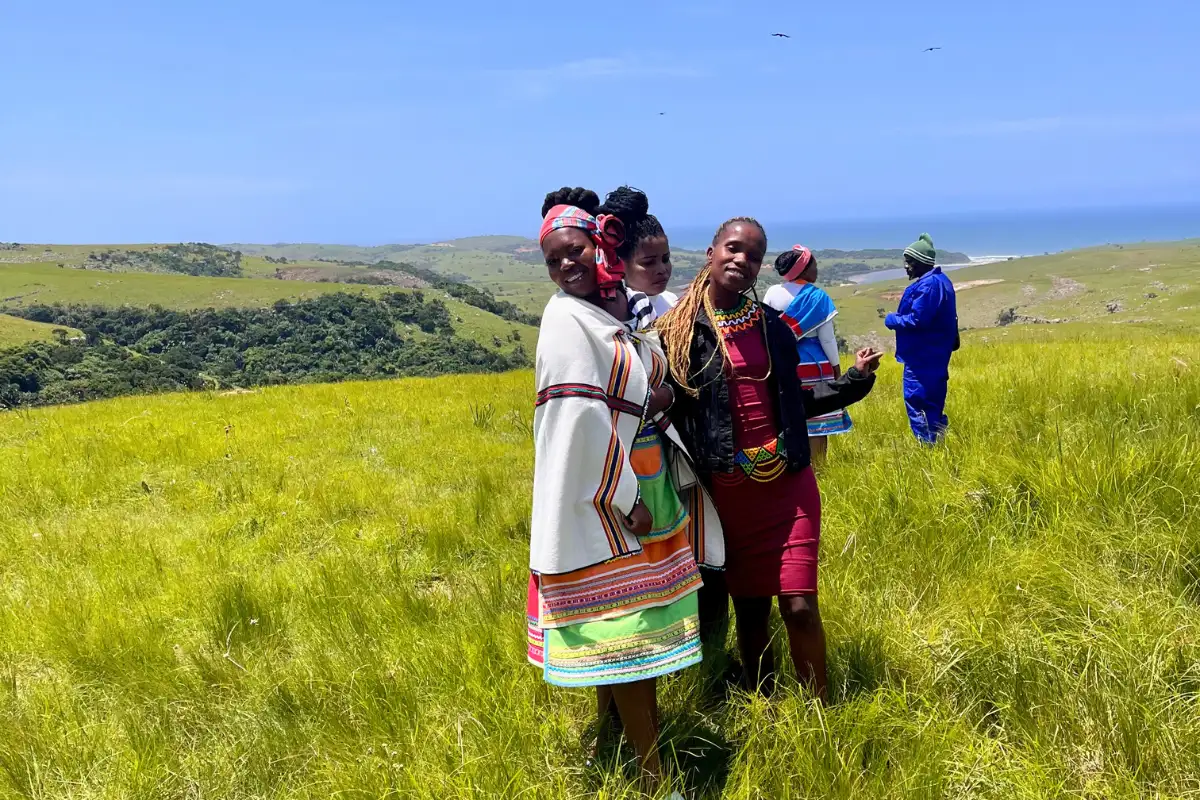
Pondo women in traditional colourful dress on the Wild Coast, South Africa
Learning to greet someone properly in isiXhosa costs you nothing and changes every interaction you have here. Molo to one person, molweni to a group. Start there.
Wildlife and Marine Life
Nobody comes to the Wild Coast for a Big Five safari, and you should not either. What you get instead is a coastline where the wildlife is genuinely wild and genuinely present.
In Mkambati Nature Reserve, which the Mtentu Ramble passes through, there are eland, zebra, blesbok, and red hartebeest grazing coastal grassland with the ocean behind them. There are Cape vultures. There are crowned eagles in the forest gorges. Read more about Mkhambathi Nature Reserve.
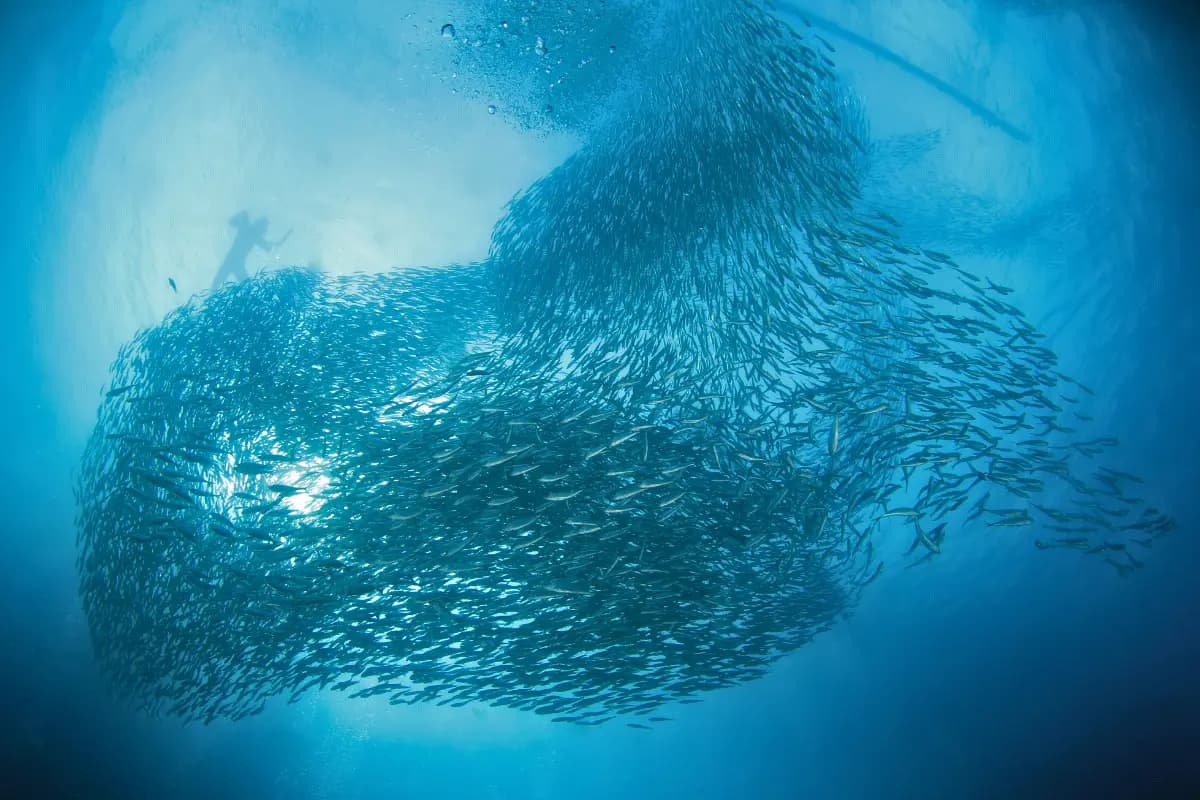
In the water, humpback whales pass on migration between June and November. Bottlenose and common dolphins are close to shore year-round, often in the surf. And between roughly June and July, the sardine run arrives, which is the largest biomass migration on earth and worth its own article entirely.
The plants matter more than you would think. Pondoland is a recognised centre of plant endemism, meaning there are species here that grow nowhere else on the planet. We covered the indigenous plants and wildlife and the wildlife around Mtentu separately.
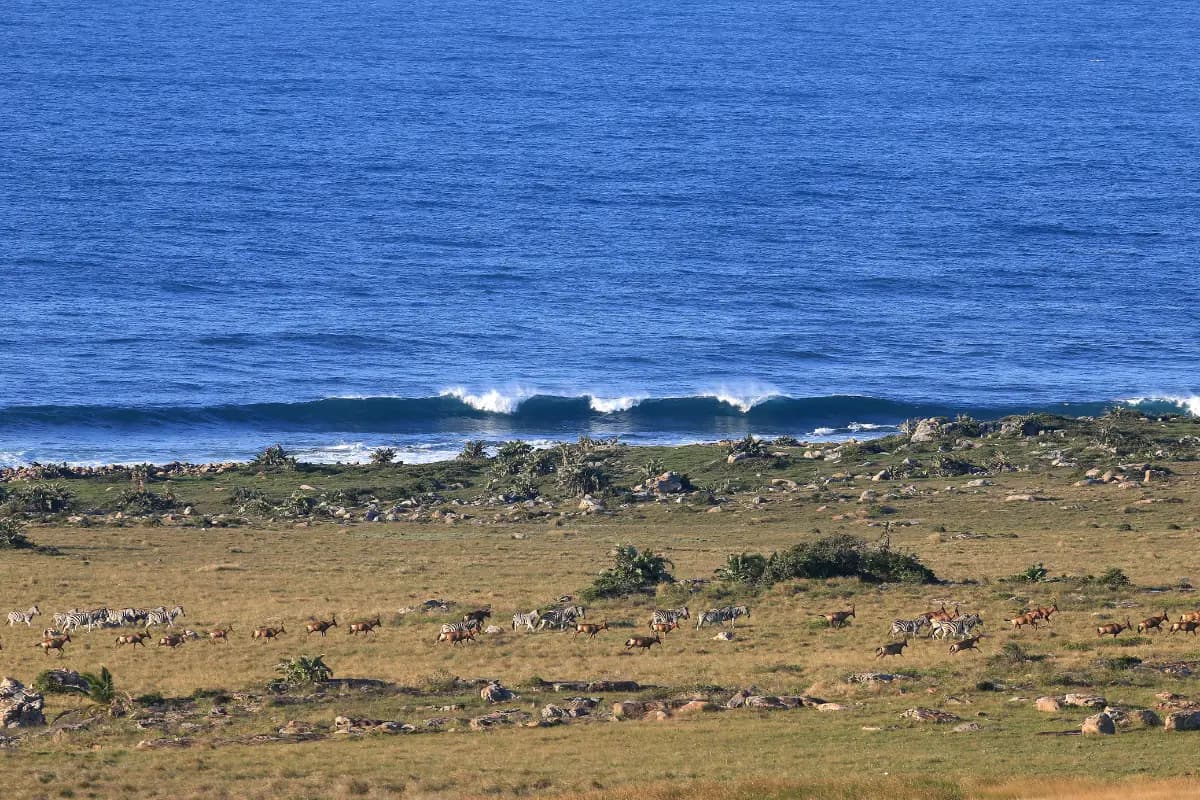
Herd of zebras grazing on coastal grasslands at Mkambati Nature Reserve
When Is the Best Time to Visit?
The short version: the Wild Coast is walkable year-round, and there is no genuinely bad season. There are seasons that suit different people.
Autumn (March to May) is arguably the sweet spot. Warm but not hot, the summer rain has cleared, rivers are full, and the crowds are gone.
Winter (June to August) is dry, mild, and clear. Days in the low twenties Celsius, cold nights. This is sardine run and whale season. It is also our peak walking season for good reason.
Spring (September to October) brings wildflowers, calving whales, and warming water.
Summer (November to February) is hot, humid, and green, with dramatic afternoon thunderstorms that clear as fast as they arrive. Warmest swimming.
We go into far more depth, including river crossing conditions and what each season means for wildlife, in the best time to hike the Wild Coast.
How Do You Get to the Wild Coast?
The two realistic international gateways are Durban (King Shaka International) and Johannesburg (OR Tambo). Durban is much closer. From King Shaka, the northern Wild Coast is a drive of a few hours south, via the N2 and Port Edward.
Mthatha Airport serves the central Wild Coast (Coffee Bay, Hole in the Wall) with domestic flights. Margate Airport is small but closest to the Pondoland end.
For the Mtentu Ramble specifically, guests gather at the Wild Coast Sun near Port Edward, which is the practical northern gateway to this coastline and roughly two and a half hours south of Durban.
Full detail, including shuttles, self-driving advice, and road conditions, is in how to get to Mtentu. If you are flying in from overseas, start with how to plan a South Africa hiking holiday from the UK.
A warning worth repeating: do not trust your GPS on the last stretch. It will send you down a track that ends at a river. Ask locally, or follow the directions your host gives you.
What Is There to Do on the Wild Coast?
Hiking is the reason most people come, and it is genuinely the best way to see a coast with no coastal road. See the best multi-day hiking trails on the Wild Coast.
Swimming and rock pools. Estuaries are safer and warmer than the open sea. The Jacuzzi Hole and the Mkambati pools are the standouts.
Kayaking the river gorges, particularly the Mtentu River, where the cliffs close in above you.
Fishing. This coast is legendary among anglers. Kob, garrick, elf, and giant kingfish. See fishing at Mtentu.
The sardine run, if your timing is right, June into July.
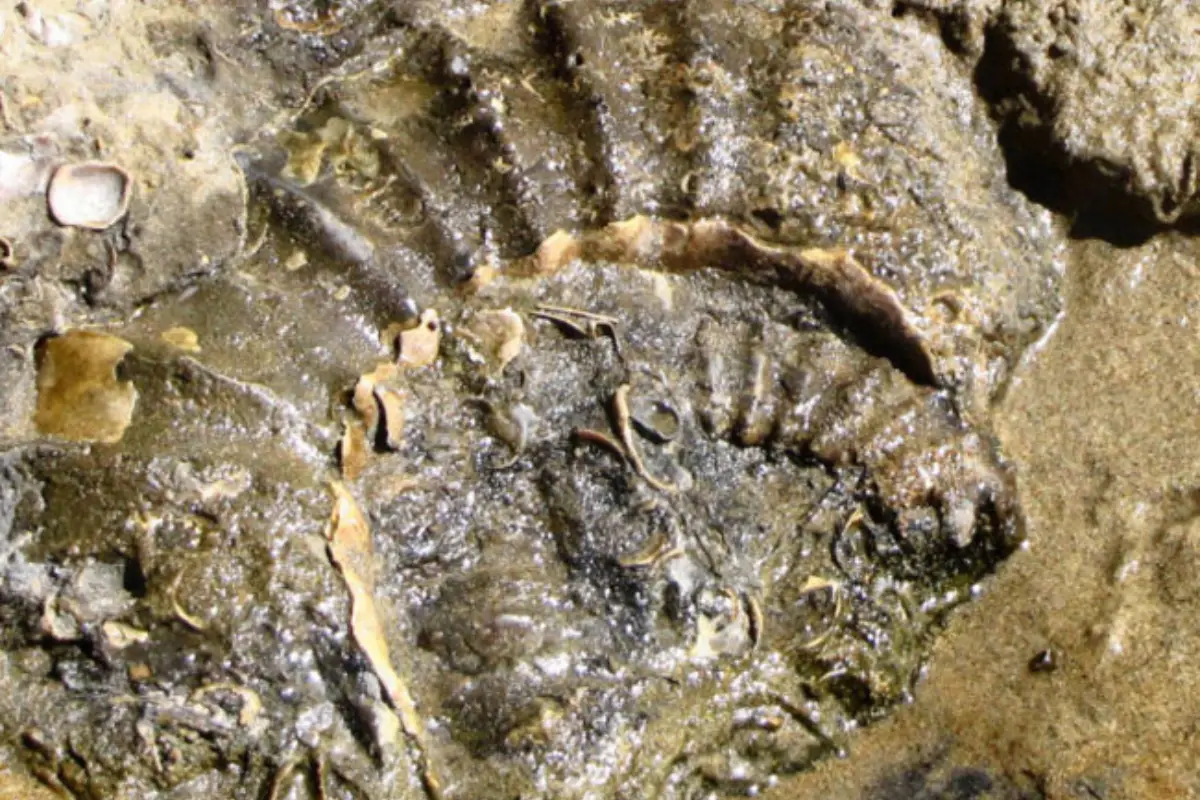
Fossils and geology. The Mzamba fossil beds and petrified forest are 80-million-year-old Cretaceous deposits sitting on a public beach.
Waterfalls, caves, and hidden corners. We keep a list of hidden gems around Mtentu.
Doing very little. Legitimate, and arguably the point.
What Do You Need to Know Before You Go?
Three practical things: where to stay, whether it is safe, and what it costs.
Where Should You Stay?
Accommodation on the Wild Coast splits into three broad types.
Community homestays. Staying with a family in a village. The most memorable and the most basic. Bucket showers, home-cooked food, real beds. See what a homestay is like and, while you are at it, why a hot bucket shower after a long day is a genuine luxury.
Trail lodges and backpackers. Simple, comfortable, well-placed. The Hiking Shack is where our guests spend two of their three nights.
Lodges. A small number of properly comfortable lodges exist. Gwegwe Beach Lodge inside Mkambati is the best of them, and we have a full guide to where to stay at Mkambati.
There is also Mtentu Lodge, which burned down and was rebuilt by the community. That story tells you a lot about this place.
Is It Safe?
Yes, and I say that as someone who raised a family here.
The honest nuance is that the Wild Coast is remote rather than dangerous. The real risks are not crime. They are the sea, which has strong rips and no lifeguards, and the roads, and the distance from a hospital. Petty theft exists as it does anywhere, and it is not the thing that will catch you out.
I wrote a long, unvarnished answer to this, including sections on solo travellers, women travelling alone, and families, in is the Wild Coast safe for tourists?
What Does It Cost?
South Africa is inexpensive for visitors earning in pounds, euros, or dollars, and the Wild Coast is inexpensive by South African standards.
The one thing to plan for is cash. Once you leave Port Edward, assume no ATM and no card machine. Read currency, SIM cards, and connectivity before you travel.
For a full breakdown of flights, transfers, accommodation, and what a two-week hiking trip actually adds up to, see what to budget for a South Africa hiking holiday.
Hiking the Wild Coast
Because there is no coastal road, walking is not a novelty activity here. It is the only way to see the coast properly, and it is what people have always done.
The Mtentu Ramble is our four-day, three-night guided hike through the northern Wild Coast, from the Wild Coast Sun to Mtentu, crossing into Mkambati Nature Reserve. Daily walks run between roughly 10 and 17 kilometres. It is graded moderate, all-inclusive, capped at twelve people, and guided by people who grew up on this coast.
If you are weighing it against the country's more famous trail, we compared them honestly in Mtentu Ramble vs the Otter Trail. If you are wondering whether you are fit enough, we answered that in is the Mtentu Ramble suitable for beginners? And when you are ready to pack, here is the complete list.
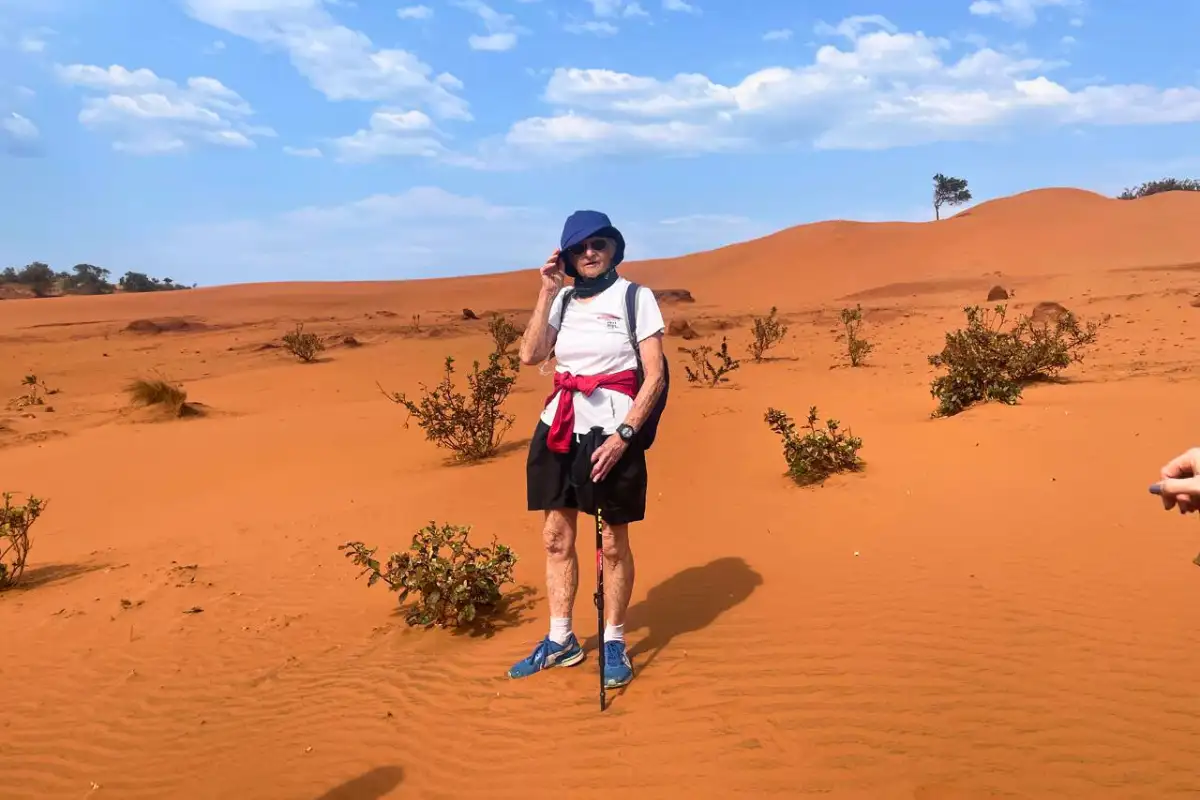
Hiker standing alone among vast red sand dunes in Pondoland Eastern Cape, South Africa under a wide blue sky
FAQs
Where exactly is the Wild Coast?
It is the coastline of the Eastern Cape province of South Africa, running roughly 250 km from the Great Kei River in the south to the Mtamvuna River in the north, where it borders KwaZulu-Natal. The northern section, Pondoland, is where the Mtentu Ramble takes place.
Why is it called the Wild Coast?
For two reasons: the treacherous seas that have wrecked ships along this coast for five centuries, and the fact that it has remained largely undeveloped. There is no coastal road, no strip development, and no high-rise.
Is the Wild Coast worth visiting?
If you want unspoilt coastline, genuine cultural contact, and beaches with nobody on them, yes. If you want restaurants, nightlife, and reliable mobile signal, go to the Garden Route instead. We compared the two in Wild Coast vs Garden Route.
How many days do you need on the Wild Coast?
Four days is enough for a focused hiking trip. Seven to ten days lets you combine a hike with time at a lodge, a river, or a nearby reserve without rushing. Most international visitors fold it into a two or three week South Africa itinerary.
What is the best time of year to visit the Wild Coast?
Autumn (March to May) and winter (June to August) are the most reliable. Winter is dry, mild, and clear, and coincides with whale migration and the sardine run. Summer is hot, humid, and green with afternoon thunderstorms.
Do you need a 4x4 for the Wild Coast?
Not for the main access roads to most destinations, though a vehicle with decent clearance helps on the gravel spurs. Conditions vary with rainfall. If you are joining a guided hike, transfers are handled for you and the question is moot.
Is there mobile signal on the Wild Coast?
Patchy to nonexistent for much of it. Assume you will be offline for most of a multi-day hike. Most people find this is the best part.
Can you swim on the Wild Coast?
Yes, but choose your water. River estuaries and rock pools are safe, warm, and lovely. The open ocean has powerful rips and there are no lifeguards. Swim where your guide or host tells you to swim.
---
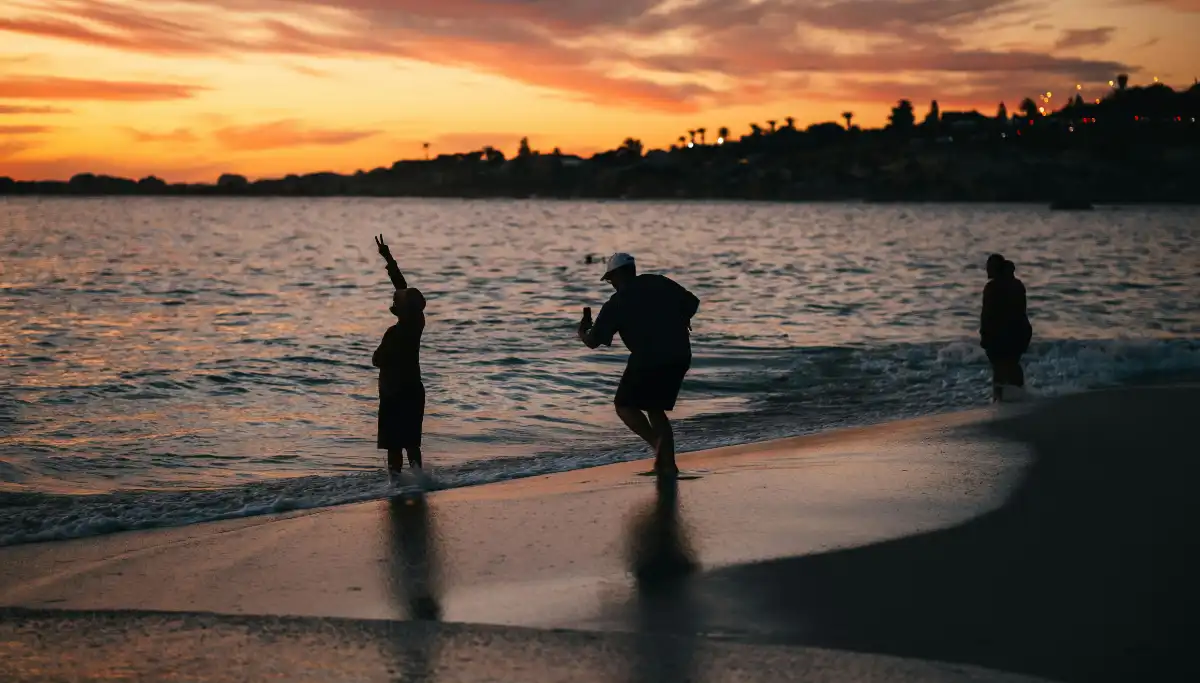
Sunset over a Wild Coast beach, South Africa
The Wild Coast rewards the small amount of effort it takes to reach it. That has always been the deal here, and it is why the place has stayed the way it is.
If you want to see it the way it was meant to be seen, on foot, with people who know it, we have dates open now.
Ready to Experience This Yourself?
The Wild Coast is waiting. Book your guided hike with Mtentu Ramble and create memories that will last a lifetime.