How the Mtentu Ramble Supports Local Communities (and How You Can Too)
The Wild Coast is the homeland of the amaMpondo people. Here's how the Mtentu Ramble supports local communities through homestays, jobs, and sustainable tourism.
 Allan Hein2 June 2025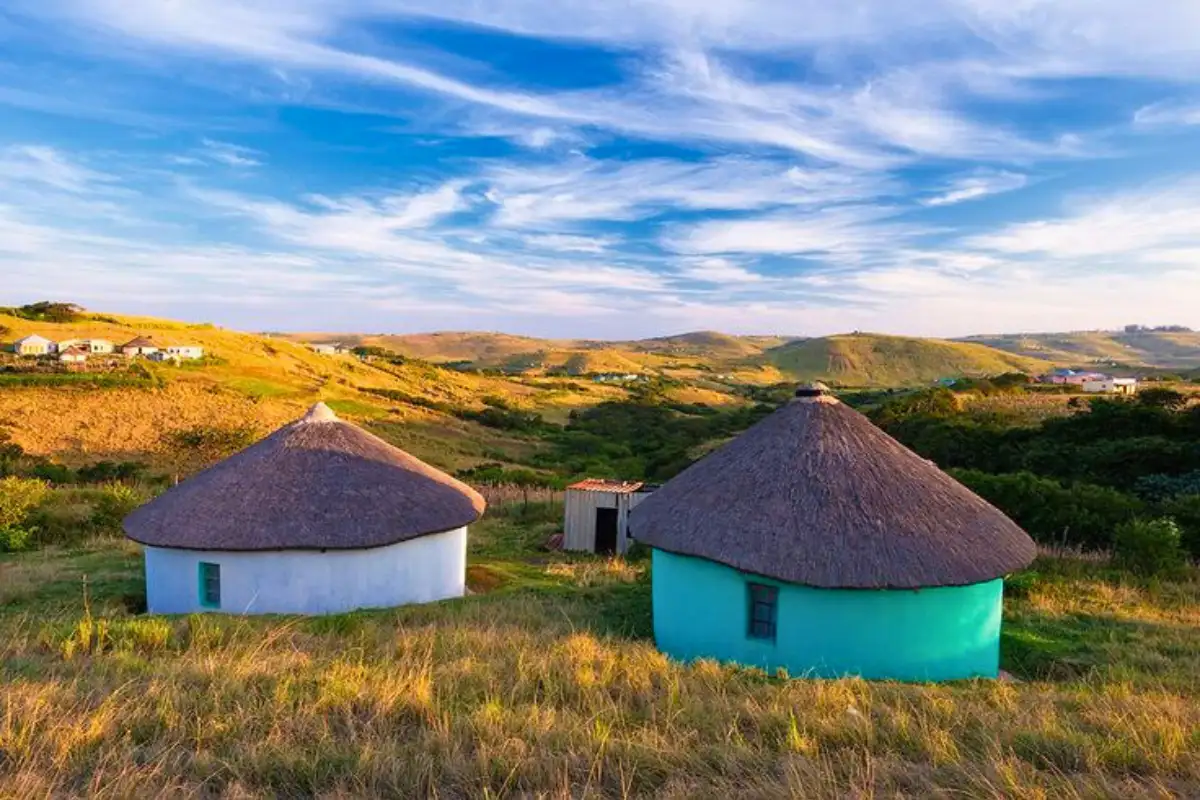
The Wild Coast isn’t an untouched wilderness, it’s the homeland of the amaMpondo people. Villages, cattle paths, and family lands shape the landscape as much as rivers and dunes. At Mtentu Ramble, we believe that for tourism here to be sustainable, it must benefit the people who live here as much as the visitors who walk the trails.
I’ve lived and worked on this stretch of coast for a long time. Some of the clearest memories I have aren’t of sunsets or waterfalls. They’re of sitting around a kitchen fire while someone’s grandmother stirs a pot, or watching a young guide from the village below point out a martial eagle and explain exactly what it means to spot one here. That kind of knowledge can’t be faked. It takes generations to build, and it disappears the moment the communities who hold it are pushed aside.
That’s why community support isn’t an add-on at Mtentu Ramble. It’s built into everything we do.
Table of Contents
Cultural Homestays
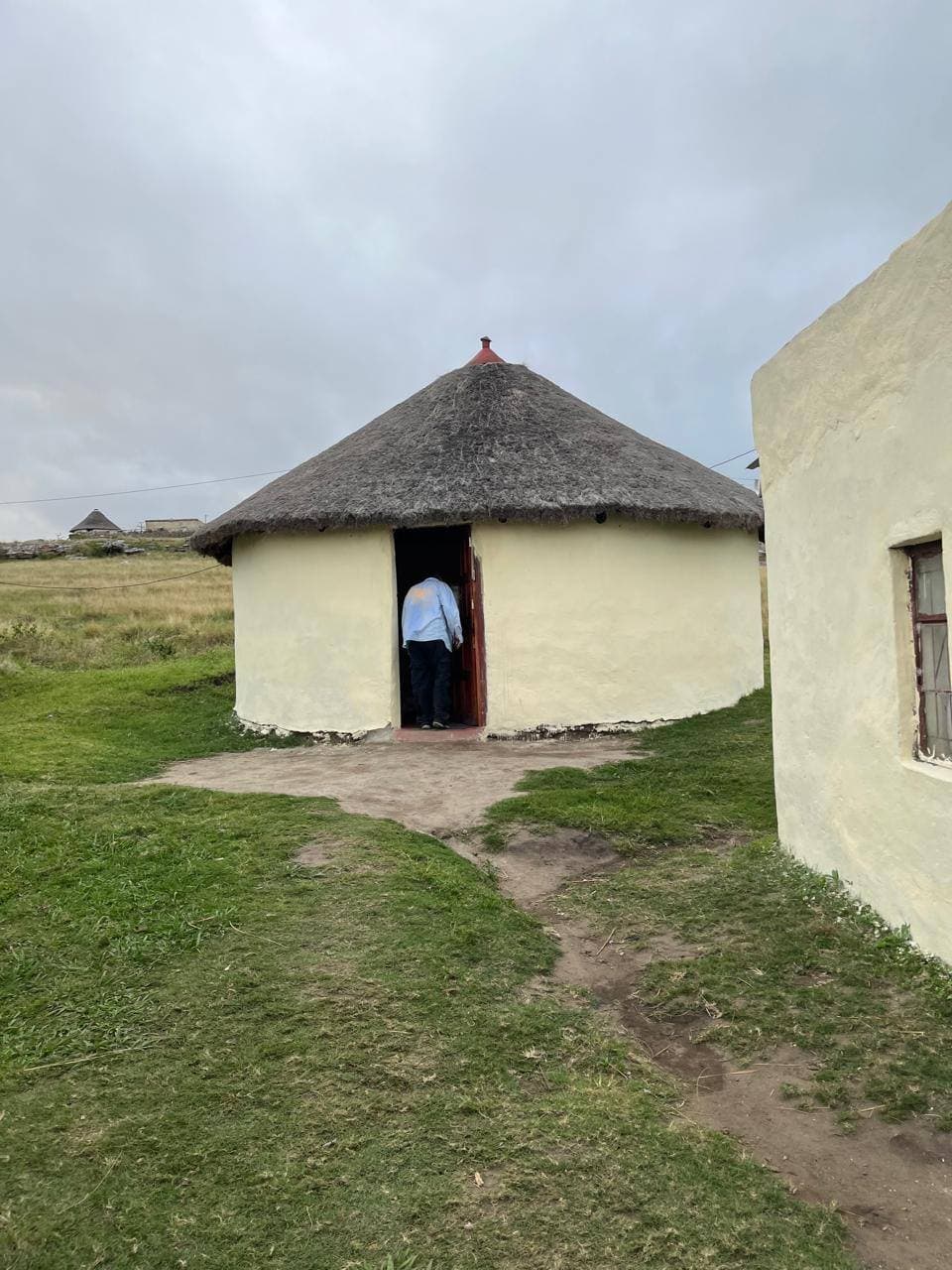
Traditional Xhosa rondavel with thatched roof at Mnyameni village homestay, Wild Coast South Africa
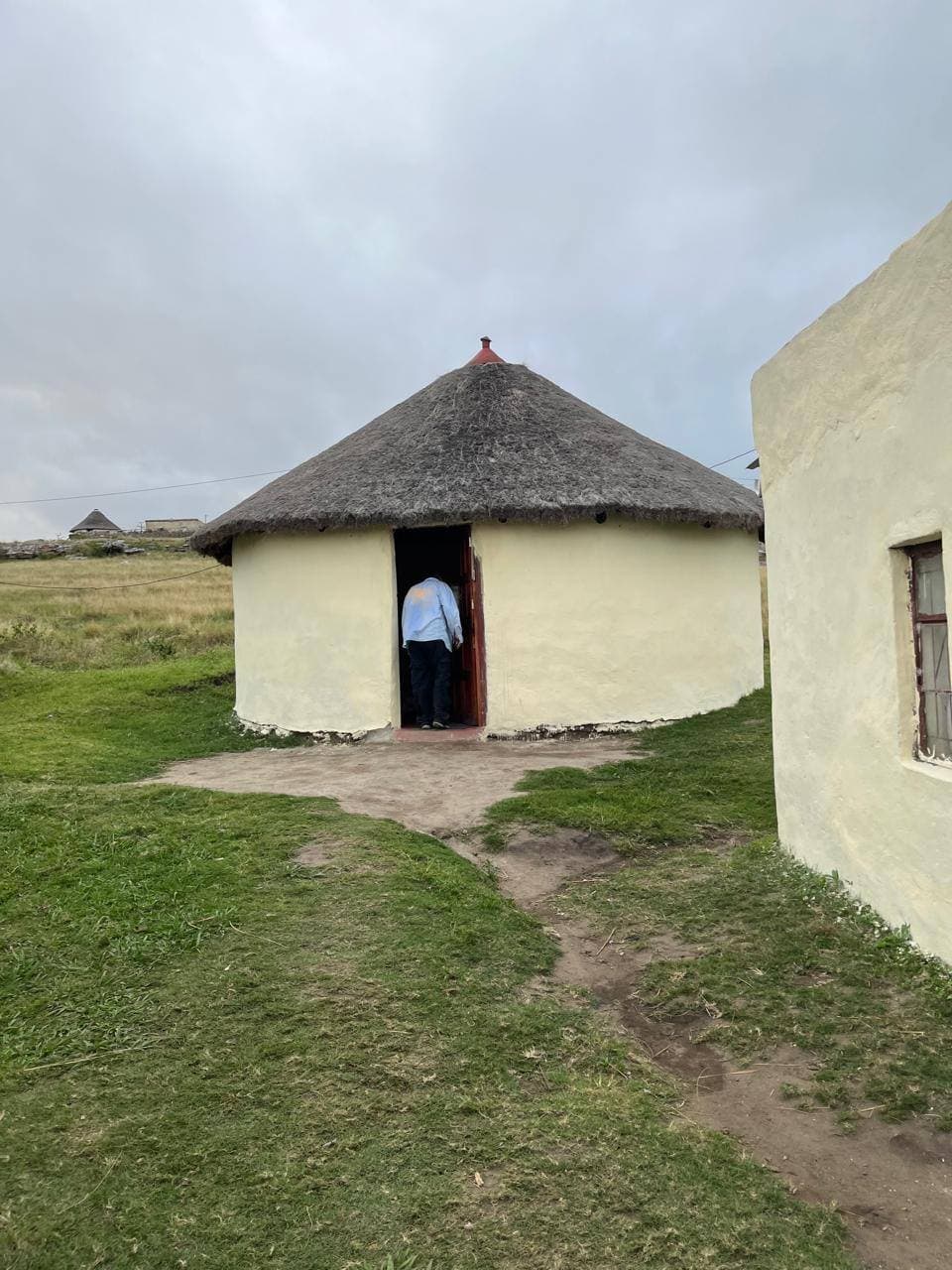
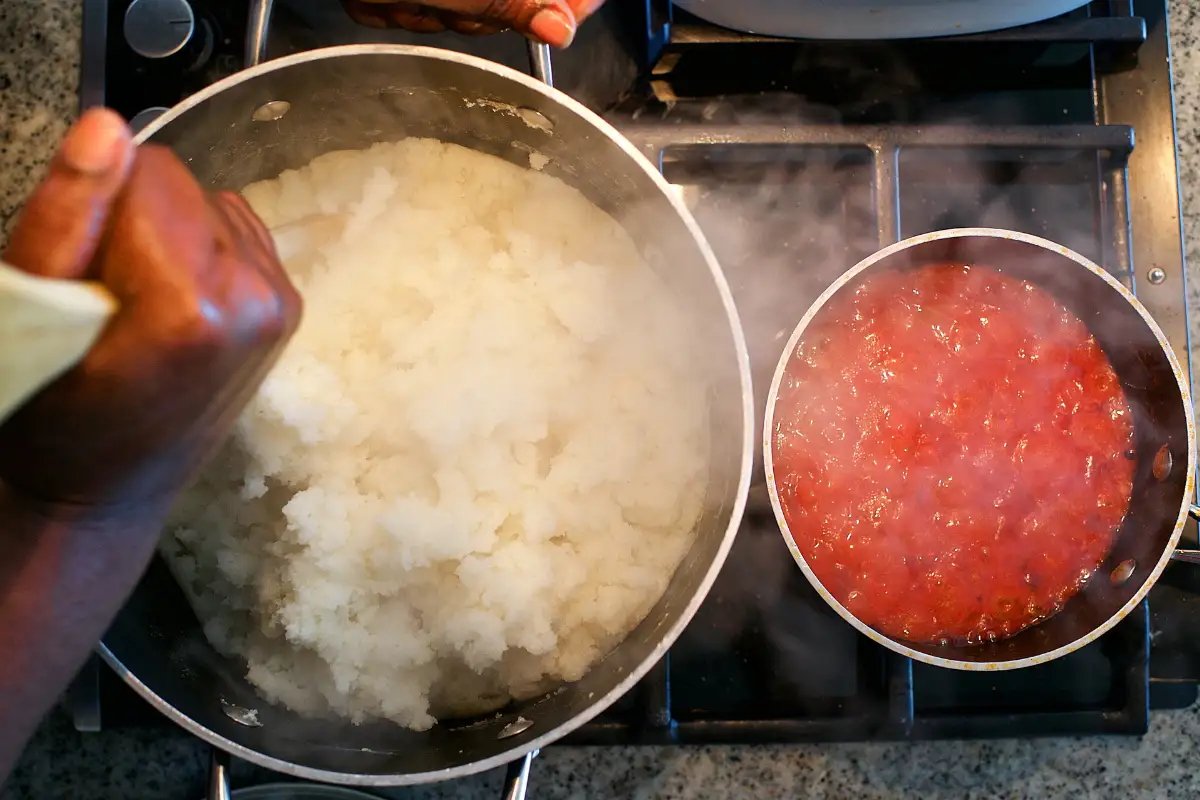
On the Mtentu Ramble, your first night is spent in a cultural homestay at Mnyameni village. Guests share tea, freshly baked Mpondo bread, and home-cooked meals while sleeping in traditional rondavels.
What strikes most hikers isn’t the rondavel or the bucket shower. It’s the welcome. You arrive tired and slightly dusty, and someone already knows your name and has something warm ready for you. That hospitality is genuine. It’s also how this family earns a living, and every booking makes a direct difference to them specifically.
This isn’t just an experience for hikers, it’s direct income for a local family. Every homestay night helps put food on tables, funds school fees, and keeps traditional hospitality alive as a genuine livelihood rather than a museum piece.
👉 Read more: Cultural Homestay Experience →
Local Employment
From guides to cooks, most of our team comes directly from nearby villages. Formal employment on this part of the Wild Coast is limited. Tourism, done right, is one of the few ways local people can earn a sustainable income without leaving the place they grew up.
Our guides grew up on this coast. They know which rock pools hide octopus at low tide, which trails flood after rain, and exactly which words to say when you walk through a village. That knowledge makes for a completely different experience than any guide bussed in from a city. It also means those skills stay valued, passed on, and alive.
Working with us means:
- Jobs created in an area where formal employment is scarce
- Skills training in guiding, hospitality, and wilderness safety
- Pride in sharing knowledge of local trails, plants, and culture with the people who walk through it
When you hike with us, you’re not just booking a tour, you’re supporting livelihoods.
Meals From Local Ingredients
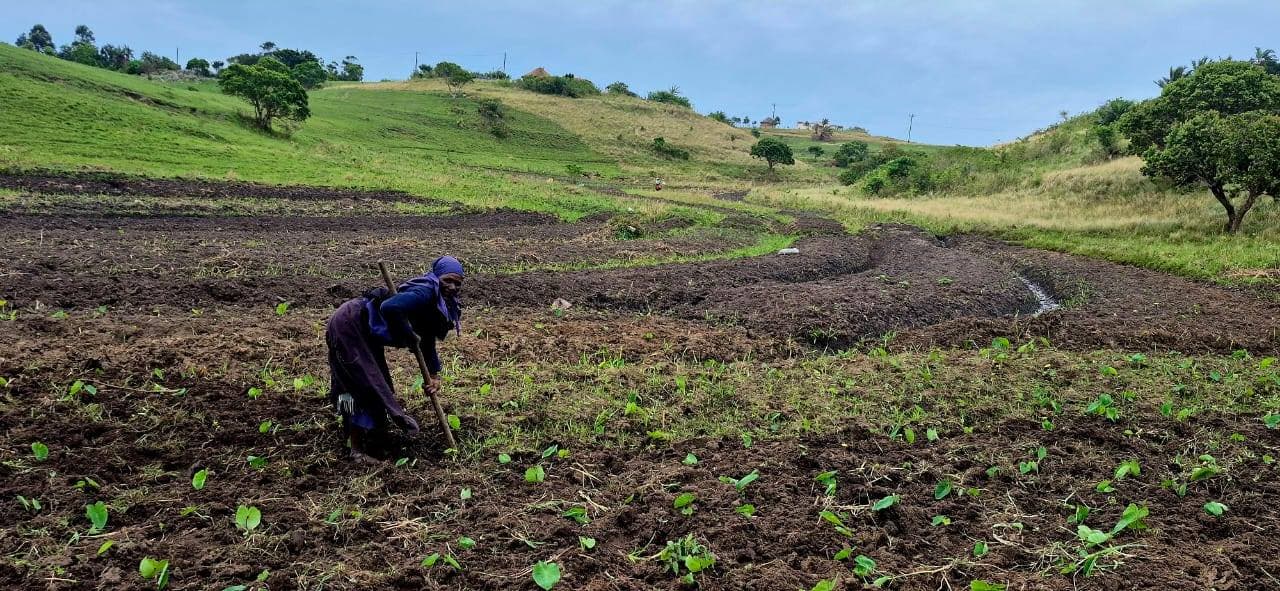
Local Pondoland farmer tilling a freshly planted field at the Mnyameni village homestay, Wild Coast South Africa
The meals we provide on hikes often use produce sourced locally:
- Vegetables and maize grown in community gardens
- Freshly caught fish from nearby fishermen
- Mpondo bread baked daily in homestead kitchens
By sourcing locally, we keep money circulating within the community.
Respect for Land and Livelihoods
The trails we use often cross grazing lands, rivers, and pathways shared with local families. We work closely with communities to ensure:
- Trails are used respectfully
- Grazing, farming, and tourism co-exist without conflict
- Visitors understand and respect local etiquette and cultural customs →
This partnership means tourism here strengthens, rather than disrupts, local life.
Is Mining a Threat to the Wild Coast?
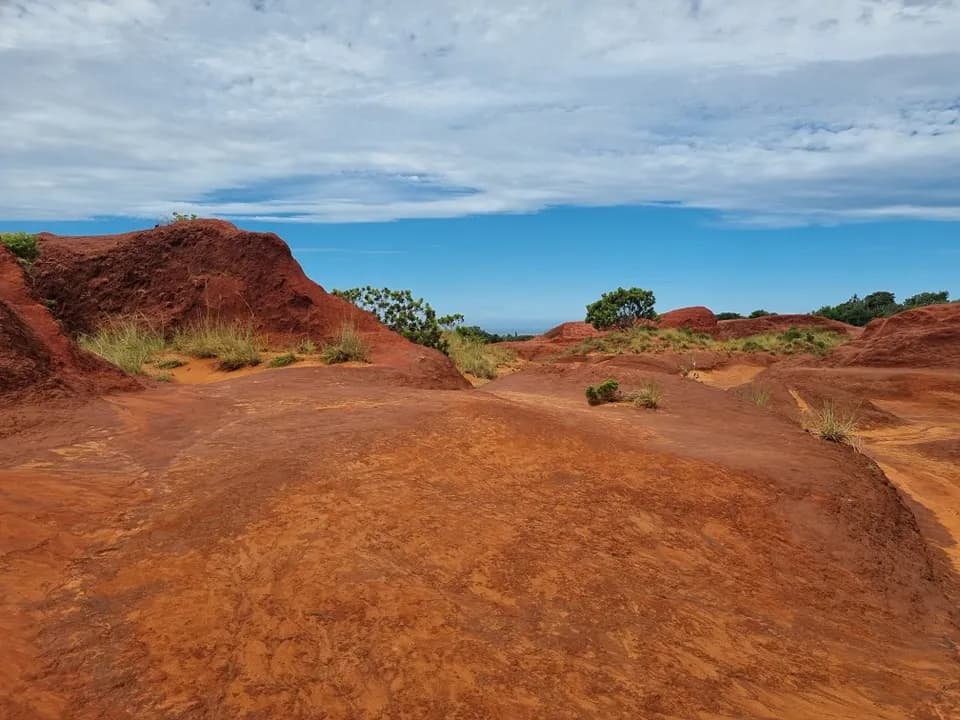
Vivid red iron-rich sand dunes beside the Sikombe River under a blue Pondoland sky Wild Coast South Africa
The Wild Coast has faced sustained pressure from large-scale titanium mining projects for decades. The Red Dunes you'll walk across on Day 2 of the hike sit on mineral-rich ground that mining interests have long wanted to extract. The communities living along this coastline have consistently resisted, because they understand that once the dunes are gone, everything that depends on them goes with them: the grazing, the fishing, the fresh water, the tourism, the way of life.
Eco-tourism creates a direct economic argument for conservation. When local families earn income from hikers walking through, they have something concrete to point to when mining companies arrive. A community that is thriving from responsible tourism is a community with a reason to protect its land.
We believe community and environment go hand in hand. By guiding visitors through responsibly, we help:
- Protect natural habitats like the Red Dunes of Mtentu →
- Highlight the ecological value of Mkhambathi Nature Reserve
- Support community resistance to extractive industries by creating real alternative income
Tourism that benefits people creates the strongest possible argument for conservation.
How Can You Help?
As a visitor, you play a part too, and a few simple choices make a real difference:
- Stay in homestays: It’s direct support for the family hosting you, not a hotel chain.
- Buy local crafts: Beadwork, woven mats, and curios make meaningful souvenirs and put money straight into a maker’s hands.
- Tip guides and cooks: A small gesture that has a large impact in a community where formal wages are low.
- Learn a few words: Even a simple molo (hello) or enkosi (thank you) in Xhosa goes a long way. See our basic Xhosa guide →
- Respect the pace: Village life moves differently. Leave time to sit, watch, and listen rather than rush to the next sight.
- Share your story: Word-of-mouth keeps community tourism alive. A review, a photo shared, a conversation with a friend who’s planning a trip, it all matters.
FAQs
How does the Mtentu Ramble support local communities?
Through homestays that put income directly into a village family's hands, jobs for local guides and cooks, meals cooked from locally grown and caught ingredients, and trails walked with respect for grazing and farming land. Your booking keeps money circulating in the community rather than leaving with an outside operator.
Who guides the Mtentu Ramble?
Guides who grew up on this coast. They know which rock pools hide octopus at low tide, which trails flood after rain, and exactly which words to say when you walk through a village, knowledge no guide bussed in from a city could match.
Does tourism help protect the Wild Coast from mining?
Yes. When local families earn a real income from hikers walking through, they have a concrete alternative to point to when mining companies arrive. A community thriving on responsible tourism has a strong reason to protect its land.
A Shared Journey
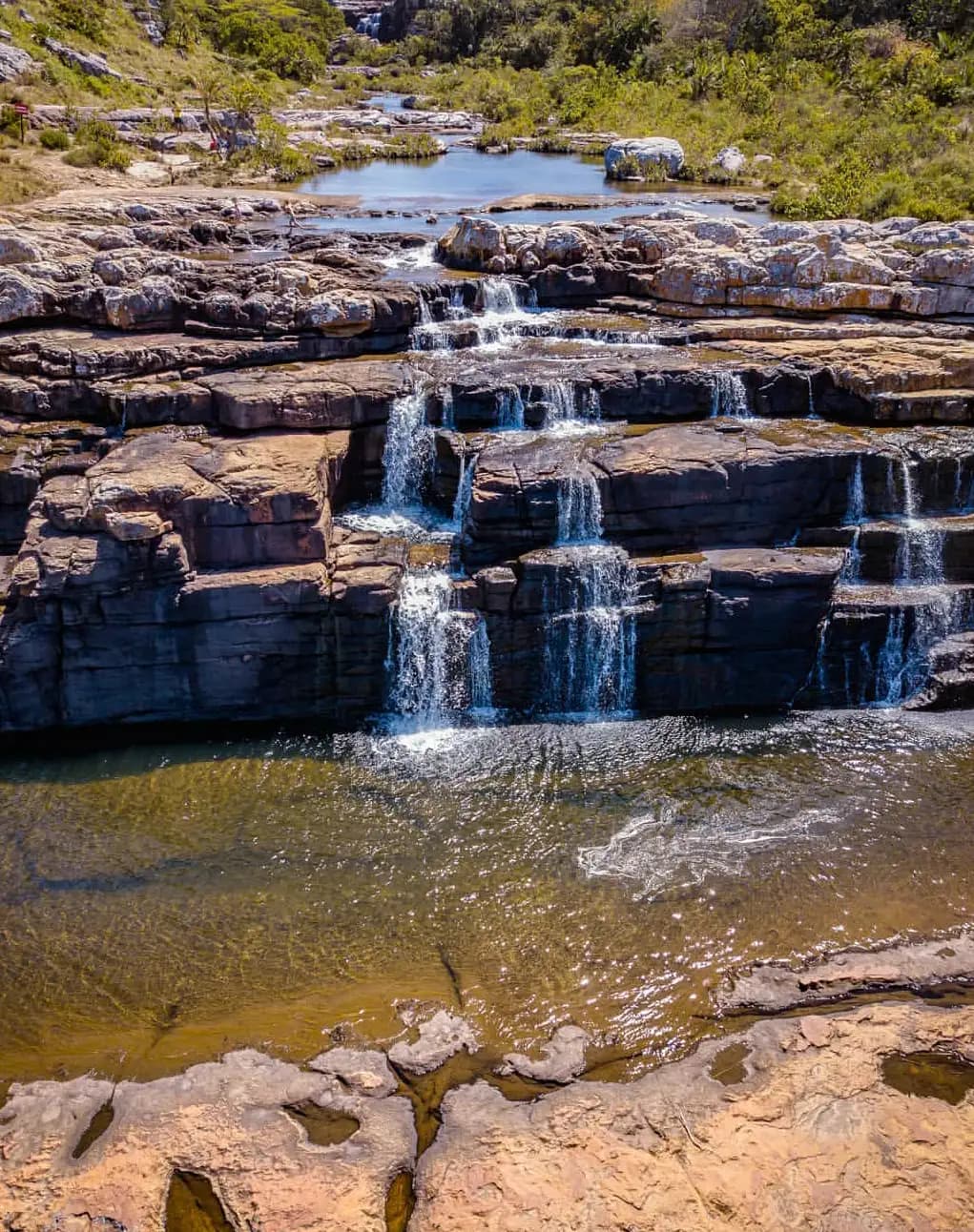
Mkambati Falls tumbling in tiered cascades over layered rock ledges into a clear pool, Wild Coast South Africa
When you hike at Mtentu, you don’t just explore rivers, waterfalls, and dunes, you become part of a larger story. A story of a community keeping traditions alive, creating jobs, and protecting their coastline through sustainable tourism.
At Mtentu Ramble, we’re proud to walk that story with you.
Ready to Experience This Yourself?
The Wild Coast is waiting. Book your guided hike with Mtentu Ramble and create memories that will last a lifetime.